


Journey through
Southern Spain
two-week Luxury Tour of Andalucia, Spain
Trip Overview
Day 1 - 5 | Seville | Corral del Rey | 4 nights
Day 5 - 7 | Córdoba | Palacio del Bailio | 2 nights
Day 7 - 9 | Ronda | Parador Ronda | 2 nights
Day 9 - 12 | Granada | Palacio de los Patos | 3 nights
Day 12 - 14 | Málaga | Palacio Silencio | 2 nights
Day 14 | Departure

Day 1 - 5 | Seville
Arrival & Airport Transfer
Greeting at Seville’s airport by your personal driver and private transfer to your hotel in the heart of Seville. You will have a dedicated driver for all your transfers and tours as needed.
Private Biking Tour
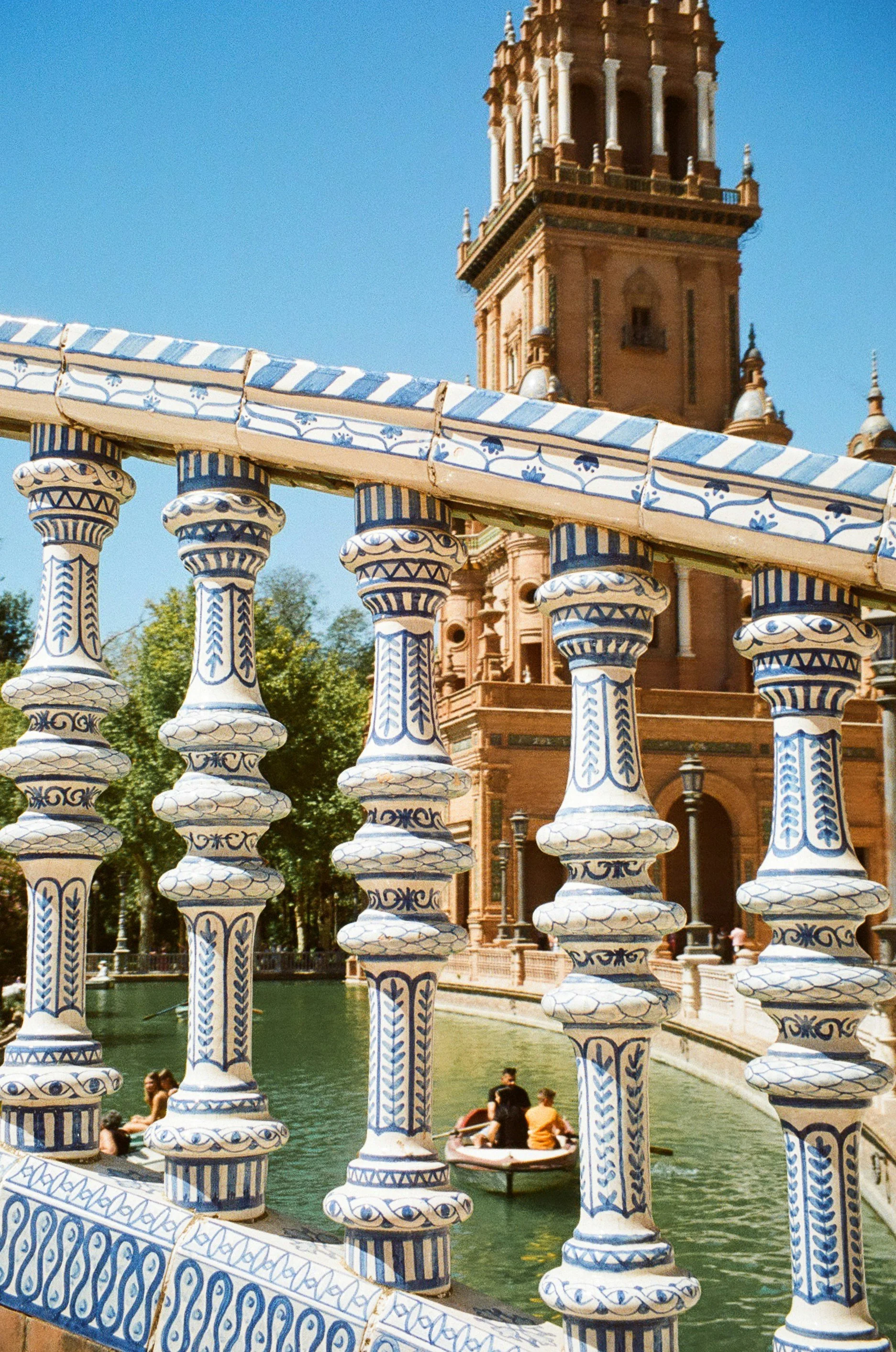
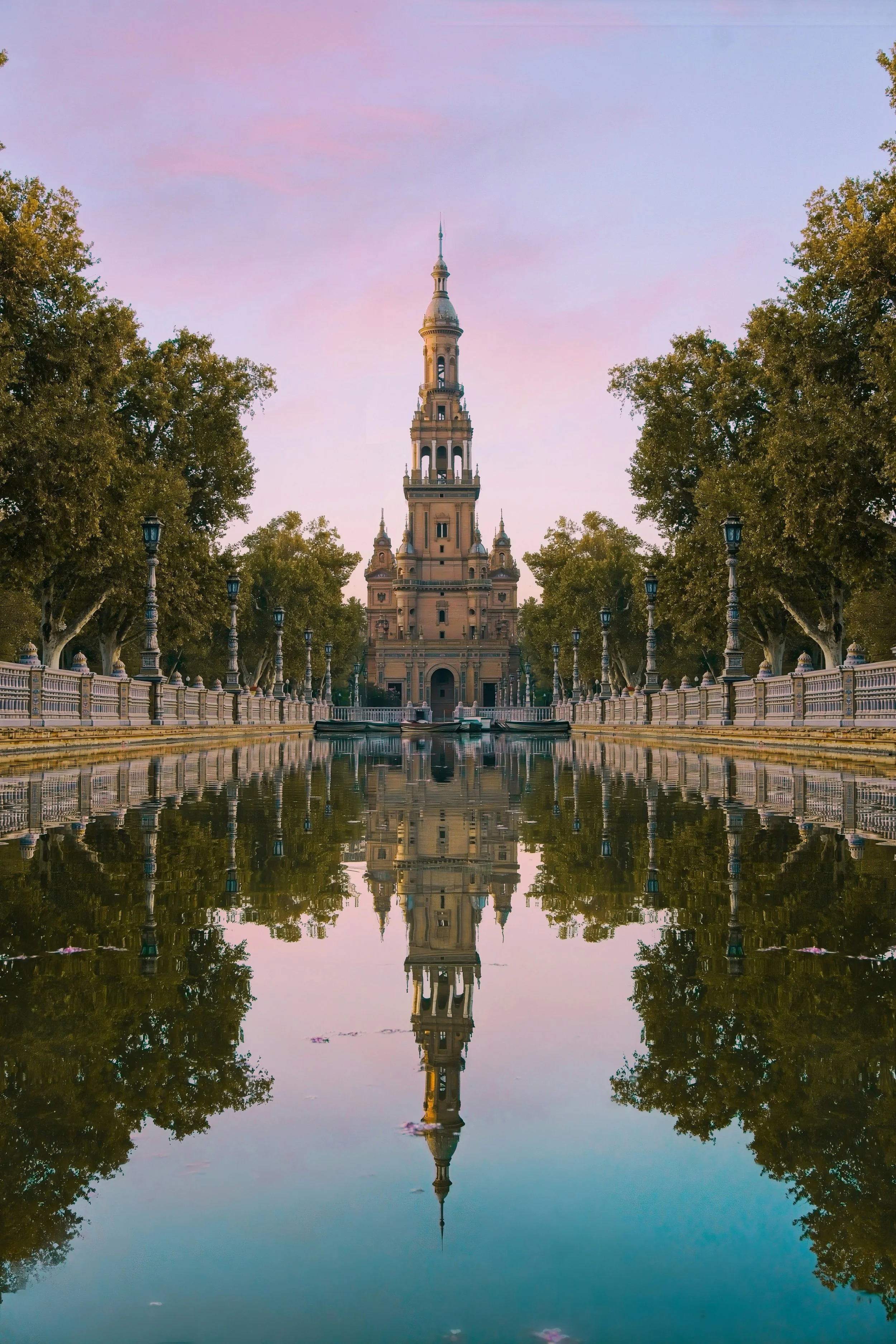
On this biking tour, you will pass by some of the main city highlights, including the Seville Cathedral, which is one of the three largest in the world (measured by volume it’s even bigger than St Peter’s in Rome), and the Giralda Minaret, a UNESCO World Heritage Site built in 1184-96 designed not only to call the faithful to prayer but as an observation tower to guard the city. You will also cycle through Plaza de España, the central fairground of the 1929 Ibero-American Exposition, where various nations hired cutting-edge architects to design eye-catching pavilions and showcase their arts and technology. The plaza is the work of architect Aníbal González, who blended elements of Spanish baroque, Mudéjar revival, and Art Deco.
Expert Introductory Tour
With your expert guide, explore the many landmarks of Seville by carriage and on foot. Options include a visit to the General Archive of the Indies and Seville’s iconic Plaza de España, built for the Ibero-American Exhibition in 1929.
The General Archive of the Indies of Seville was created in 1785 by King Carlos III, with the aim of centralizing the documentation related to the administration of the Spanish colonies. Today it serves as a reminder of its glorious past as a gateway to commerce with the Indies and an important reference of the Spanish presence in America.
Restaurant Reservations
Throughout your trip, we will make restaurant reservations for you depending on your interest.

Cathedral of Seville & Rooftop Access
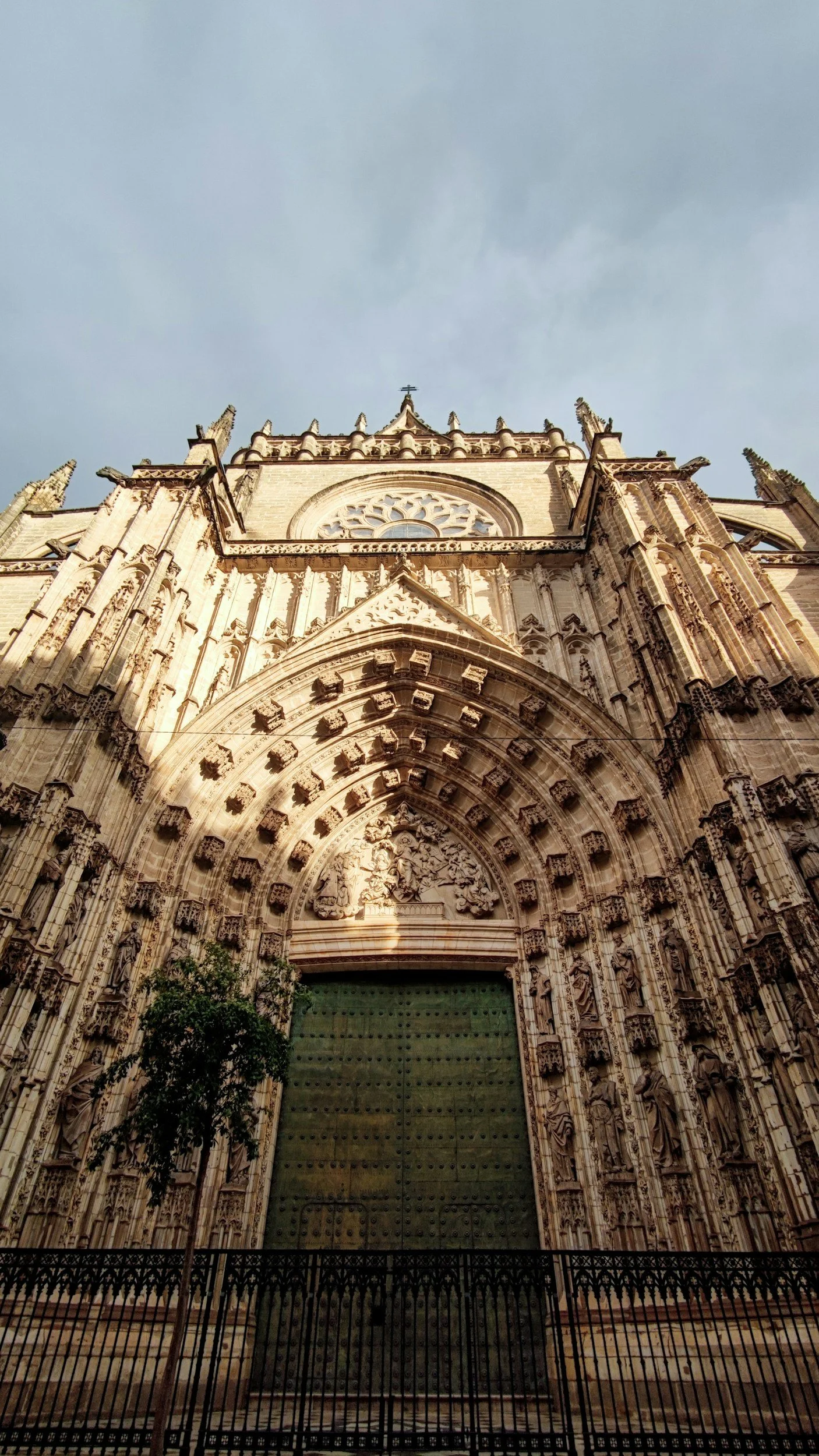
Your guide will take you to explore Seville’s immense cathedral, awe-inspiring in its scale and majesty, and enjoy access to its spectacular rooftop. The world’s largest Gothic cathedral, it was built between 1434 and 1517 over the remains of what had previously been the city’s main mosque. Highlights include the Giralda, the mighty bell tower which incorporates the mosque’s original minaret, the monumental tomb of Christopher Columbus, and the Capilla Mayor with an astonishing gold altarpiece.
Alcazar
With your expert guide visit the Alcazar, the royal palace that was originally a Moorish fort. Built in place of an Abbadid Muslim residential fortress after the Christian conquest of Seville, the Alcázar is still partially a functioning royal palace. The royal family stays on the upper levels of this Mudéjar style building when visiting Seville. A stunning example of Mudéjar architecture, it is considered one of the most beautiful on the Iberian Peninsula. It is the oldest royal palace still in use in Europe and is a UNESCO World Heritage Site.
Flamenco Show
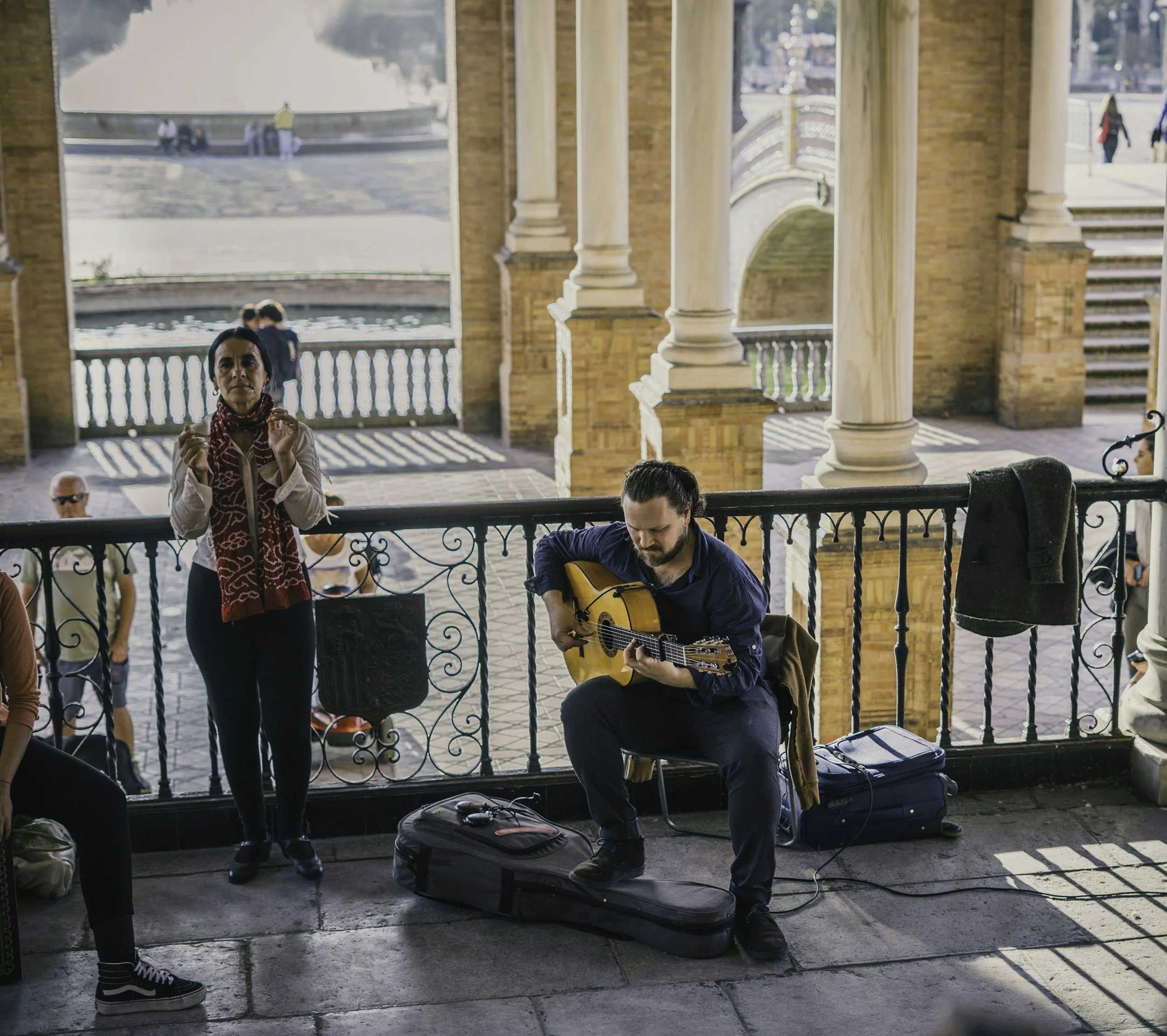
With your host, walk to the flamenco show venue where you will meet the dancers backstage prior to the show. Then watch the flamenco show from your front row seats. Andalucia in southern Spain is the heartland of Flamenco, though there are different versions of this art form named for the specific regions from where they come. For example, in Malaga, one can see “Tangos de Malaga” or “Sevillanas” in Seville. Flamenco has been declared a Masterpieces of the Oral and Intangible Heritage of Humanity by UNESCO.




Day 5 - 7 | Cordoba
Train to Cordoba
You will be taken by private transfer from your hotel in Seville to the train station to board the train to Cordoba (approx. 2 hours). Arrival in Cordoba. Your guide will take you on an introductory walking tour. Highlights include El Puente Romano or the old Roman bridge and the Alcazar de los Reyes Cristianos, with its remarkable Arabian baths and Roman mosaics.
Jewish Quarter
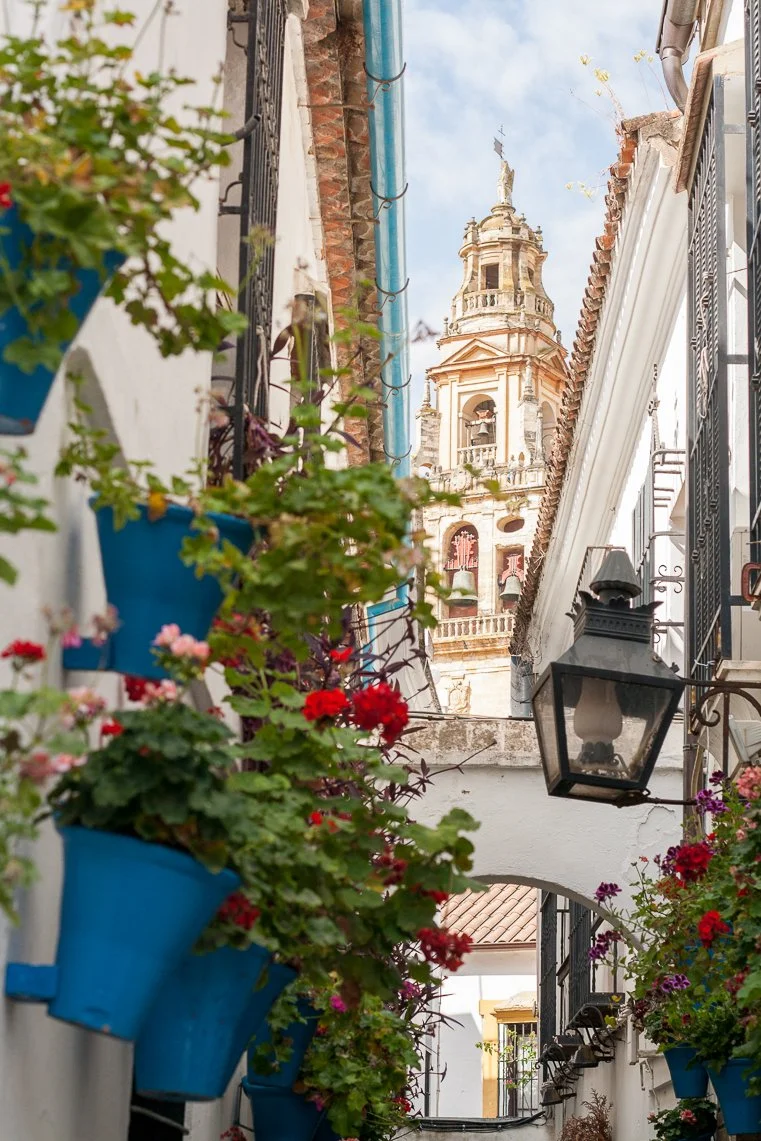
Take a stroll through the famed Jewish quarter of the city and visit an old synagogue with your private guide. Visit Casa de Sefarad where you will learn about the famous Jewish philosopher of the region, Maimonides. Casa de Sefarad, The House of Sefarad, is a cultural center established through a private initiative that promotes Jewish culture in Spain. With its unique collection of manuscripts and artifacts, it aims to revive the extensive Sephardic tradition. Mosheh ben Maimon, or Moses Maimonides, was a preeminent Jewish philosopher, rabbi, and physician as well as one of the most prolific and followed Torah scholars of the Middle Ages. He was born in Córdoba in 1135, and died in Egypt in 1204.
Exclusive Access to the Mezquita
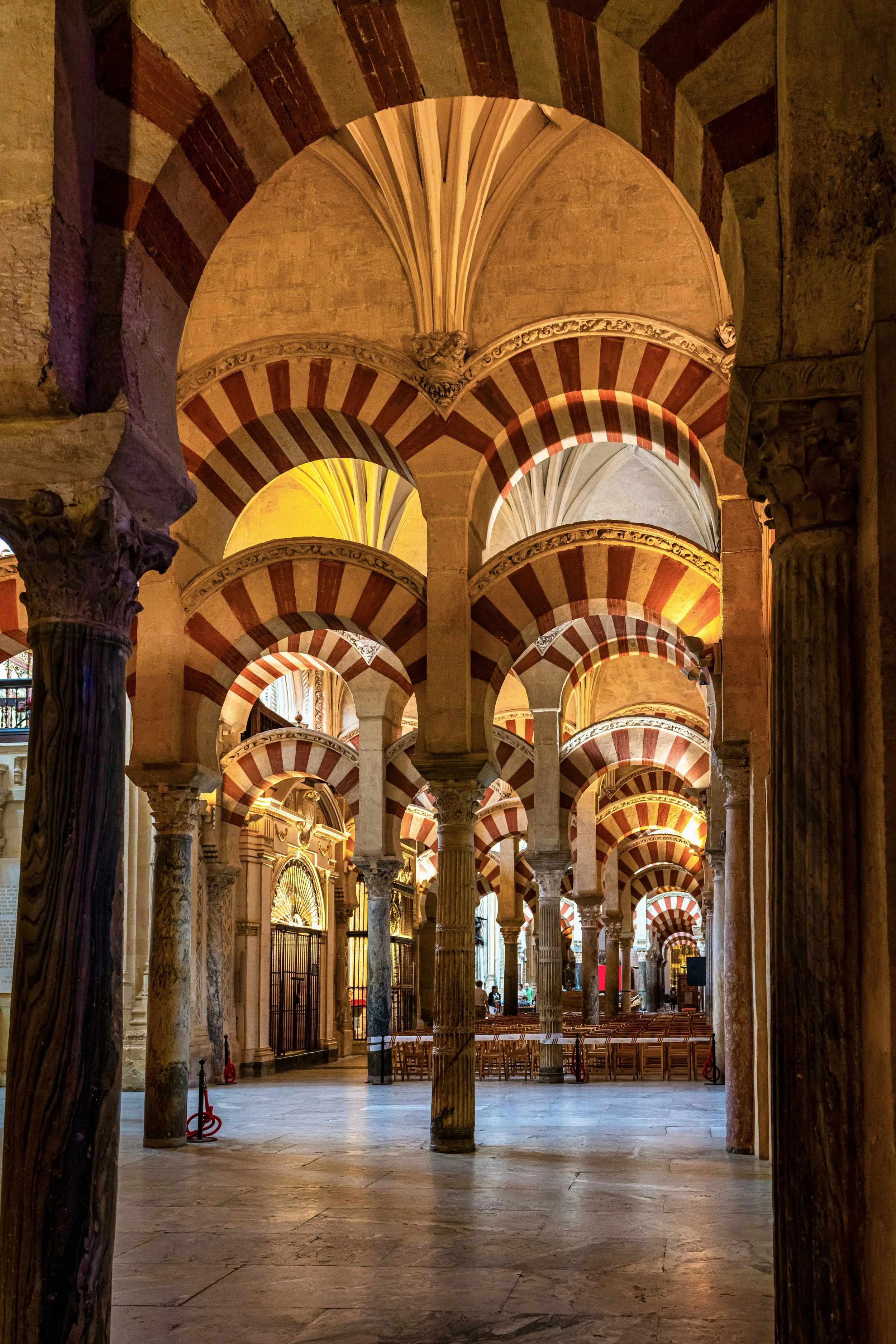
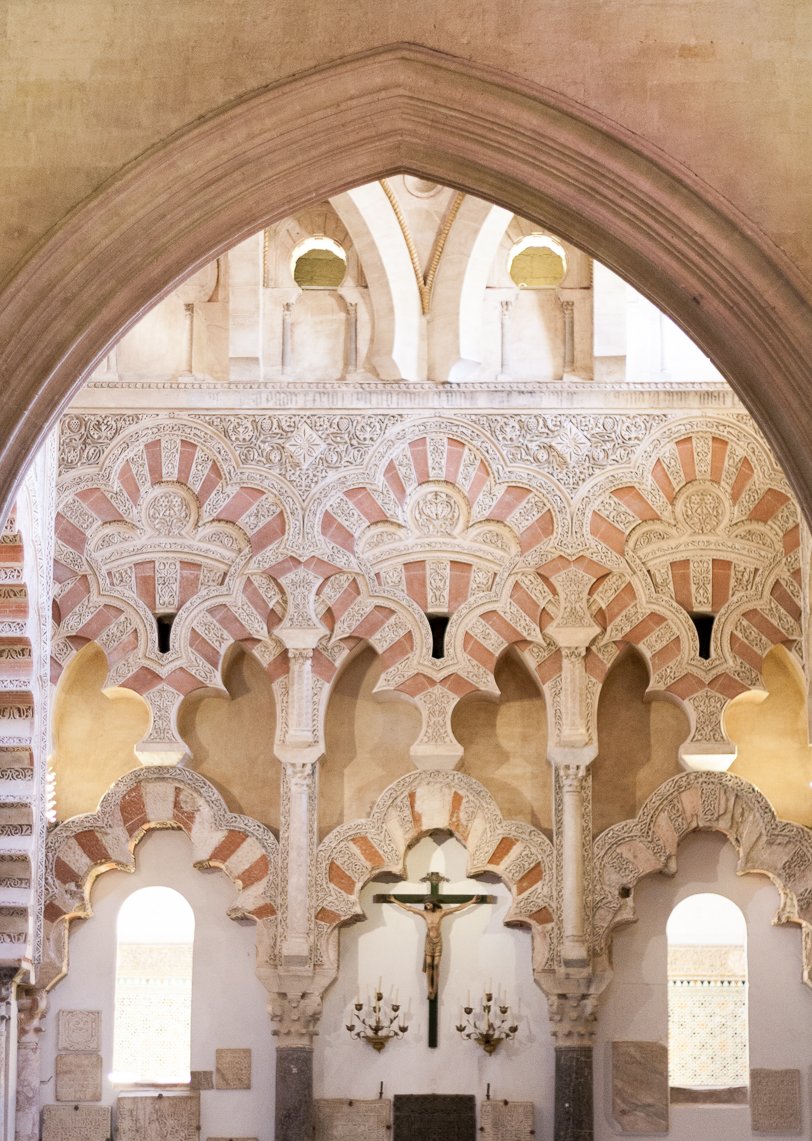
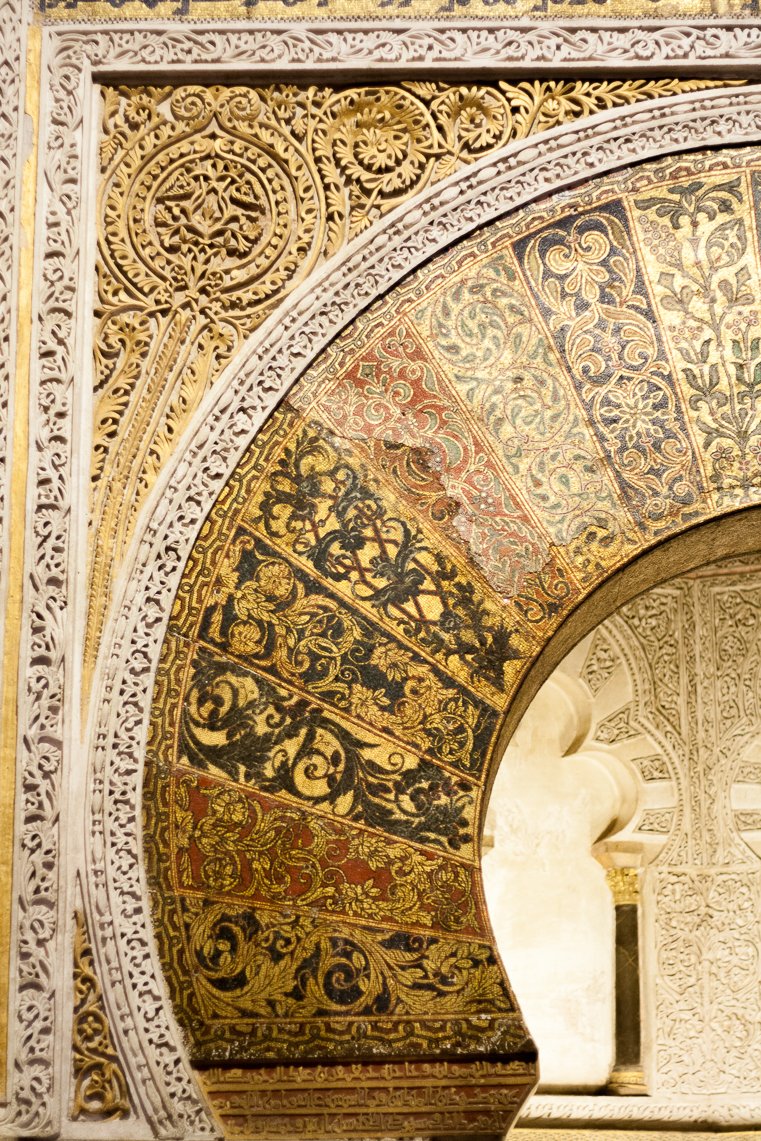
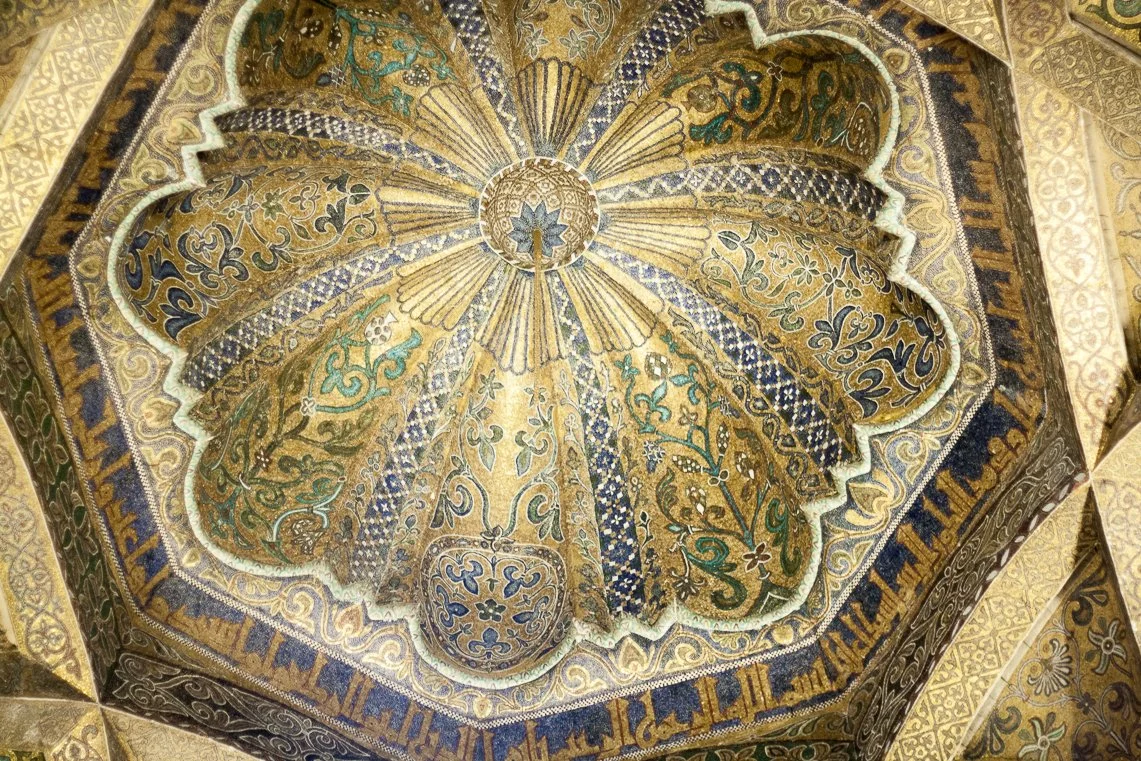
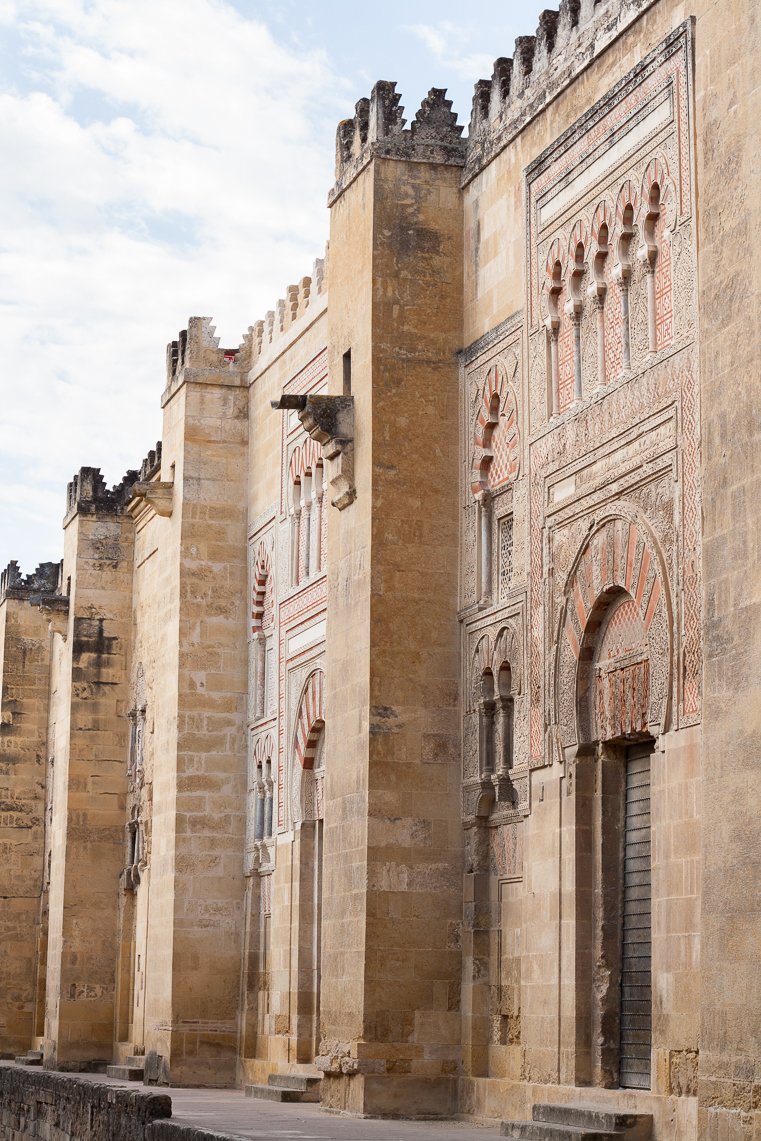
Private guided visit of the famed Mezquita. Enjoy exclusive access to an important historical landmark—which is usually bustling with tourists. Walk through its columned construction with no one else around.
Cordoba rose to prominence after the Moorish conquests of the 8th century. During this period, hundreds of mosques, palaces, and municipal buildings were constructed, resulting in comparisons to Constantinople and Damascus. Later in the 13th century, Ferdinand III converted the Great Mosque into a cathedral and added new defensive structures, including the Alcázar de los Reyes Cristianos and the Torre Fortaleza de la Calahorra. The Mezquita is regarded as one of the most accomplished monuments of Moorish architecture.

Day 7 - 9 | Ronda
Private Transfer to Ronda
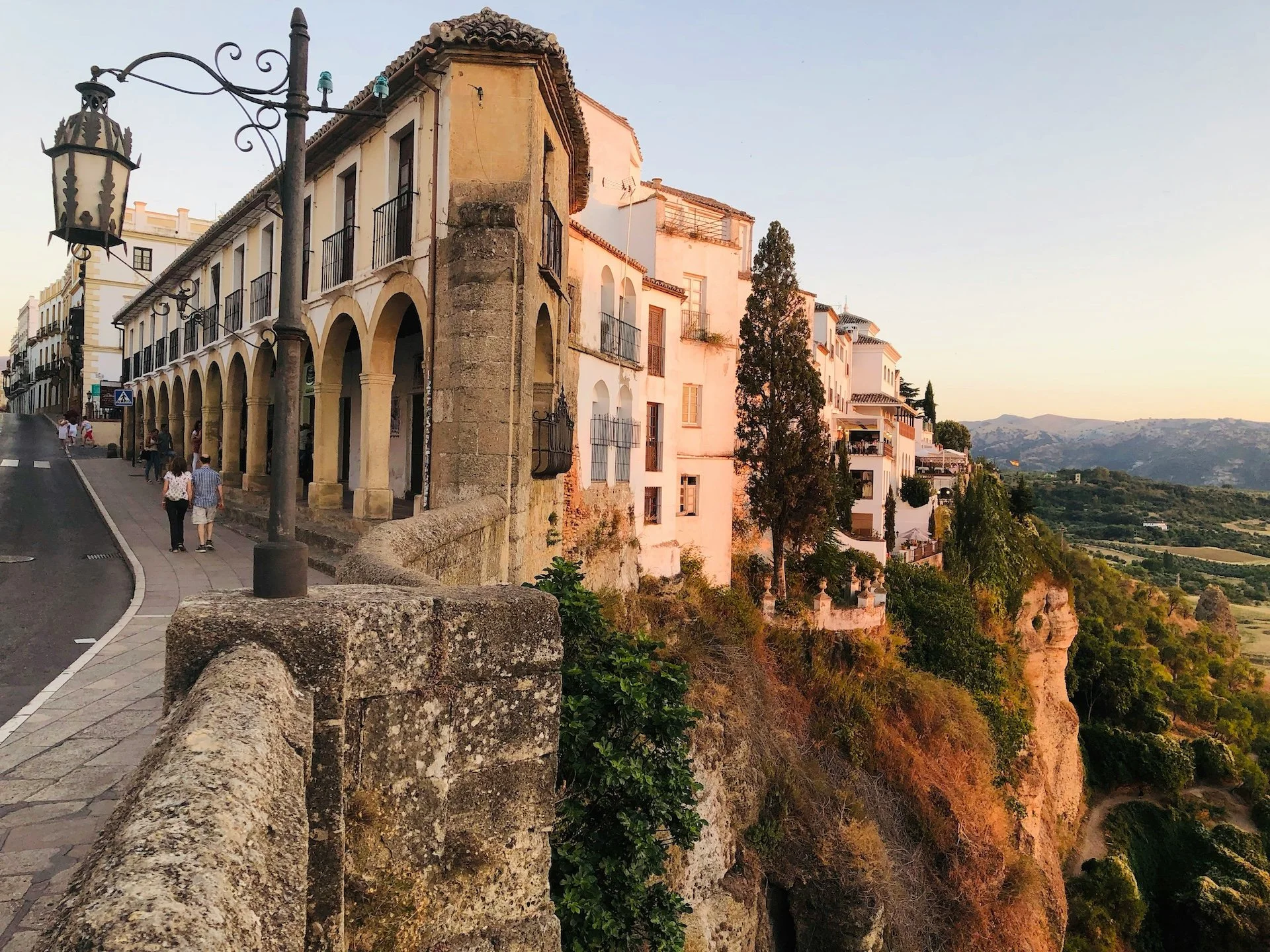
Greeting by your host and private transfer to Ronda (approx. 2 hour transfer), driving through the charming white villages. Stay at Ronda Parador where you can enjoy spectacular views.
White Villages
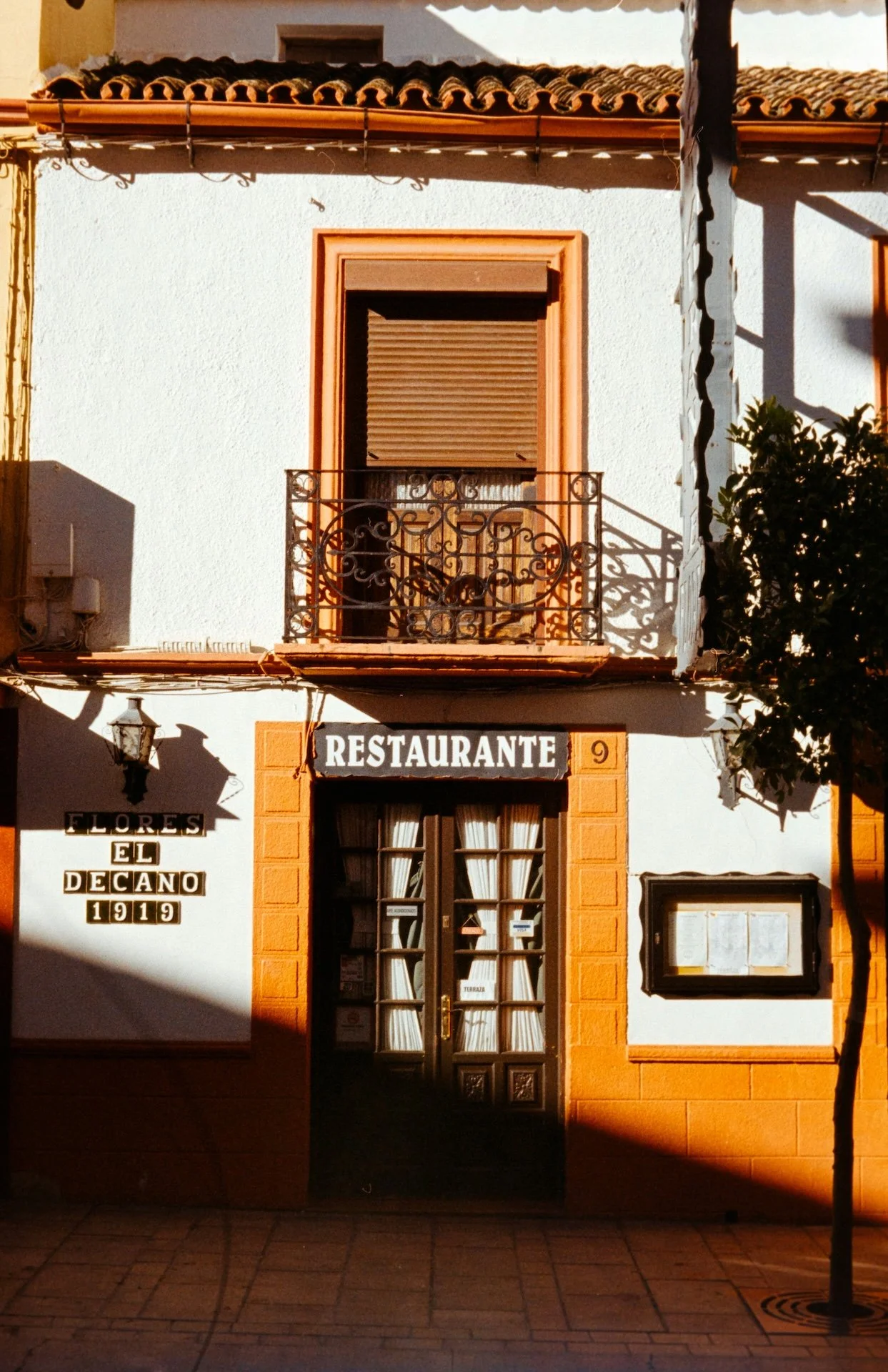
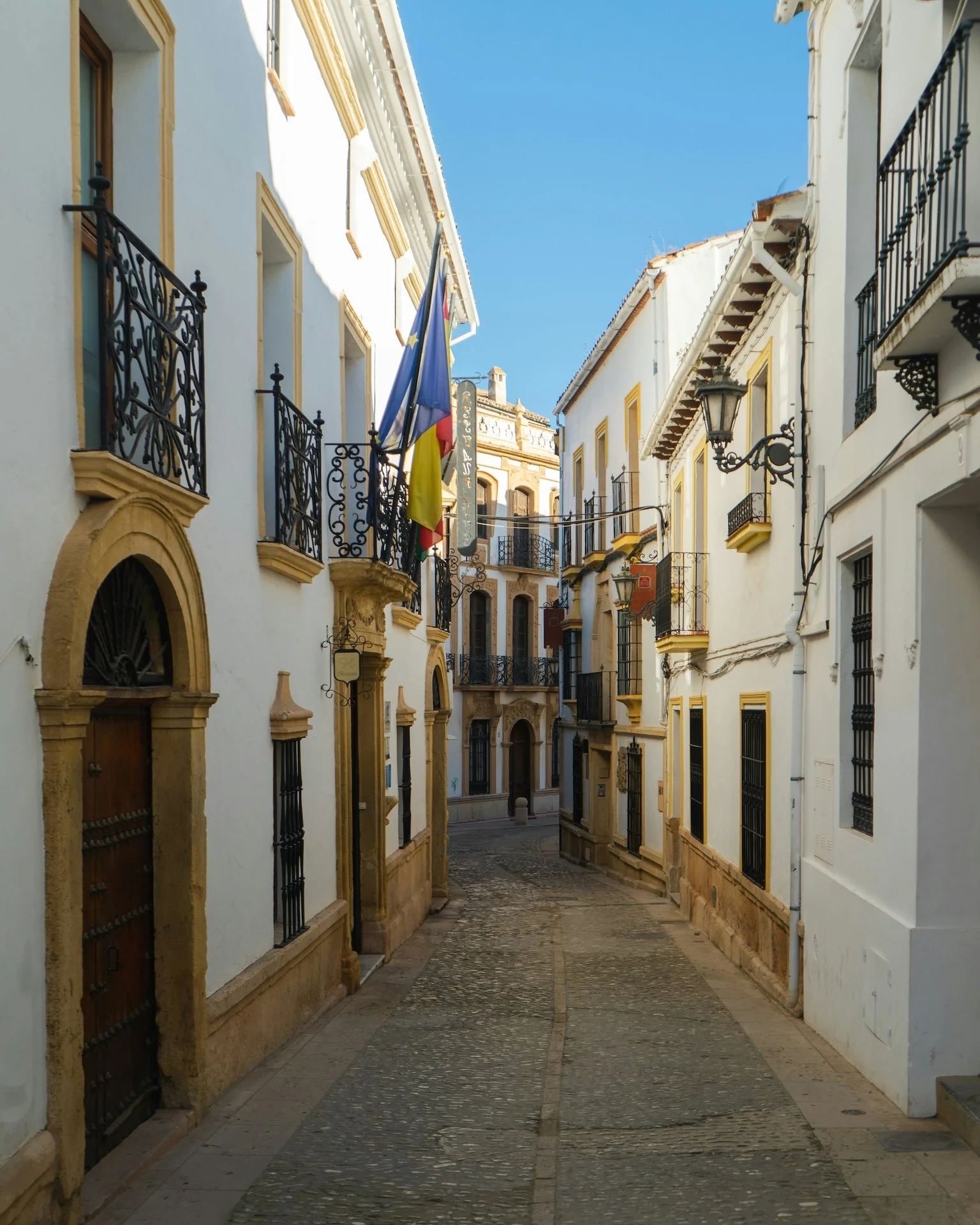
The white villages of Andalusia, or Pueblos Blancos, are a series of towns and large villages mostly located within the Sierra de Grazalema Natural Park. The houses of these villages are known for their whitewashed walls and clay-colored tiled roofs. Many cultures have left their mark on them, but the most influential was that of the Moors. The narrow, winding streets have a distinct, Arab feel to them.
Guided Tour of Ronda
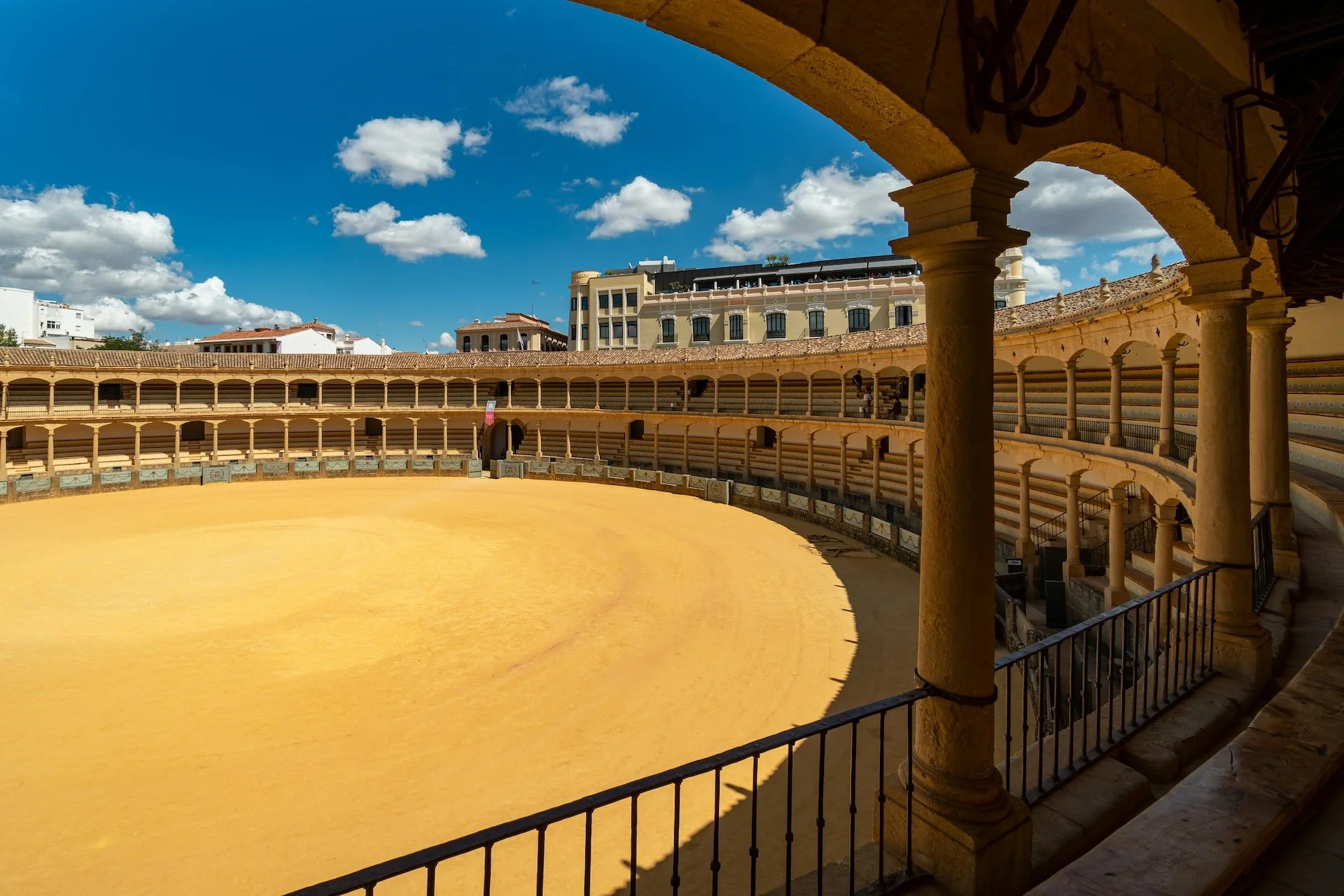
Enjoy a guided sightseeing tour of Ronda’s highlights, including the church of Santa María La Mayor. You will also enjoy private access to the interior space of the Palacio del Marques del Salvatierra which dates back to the 17th century.
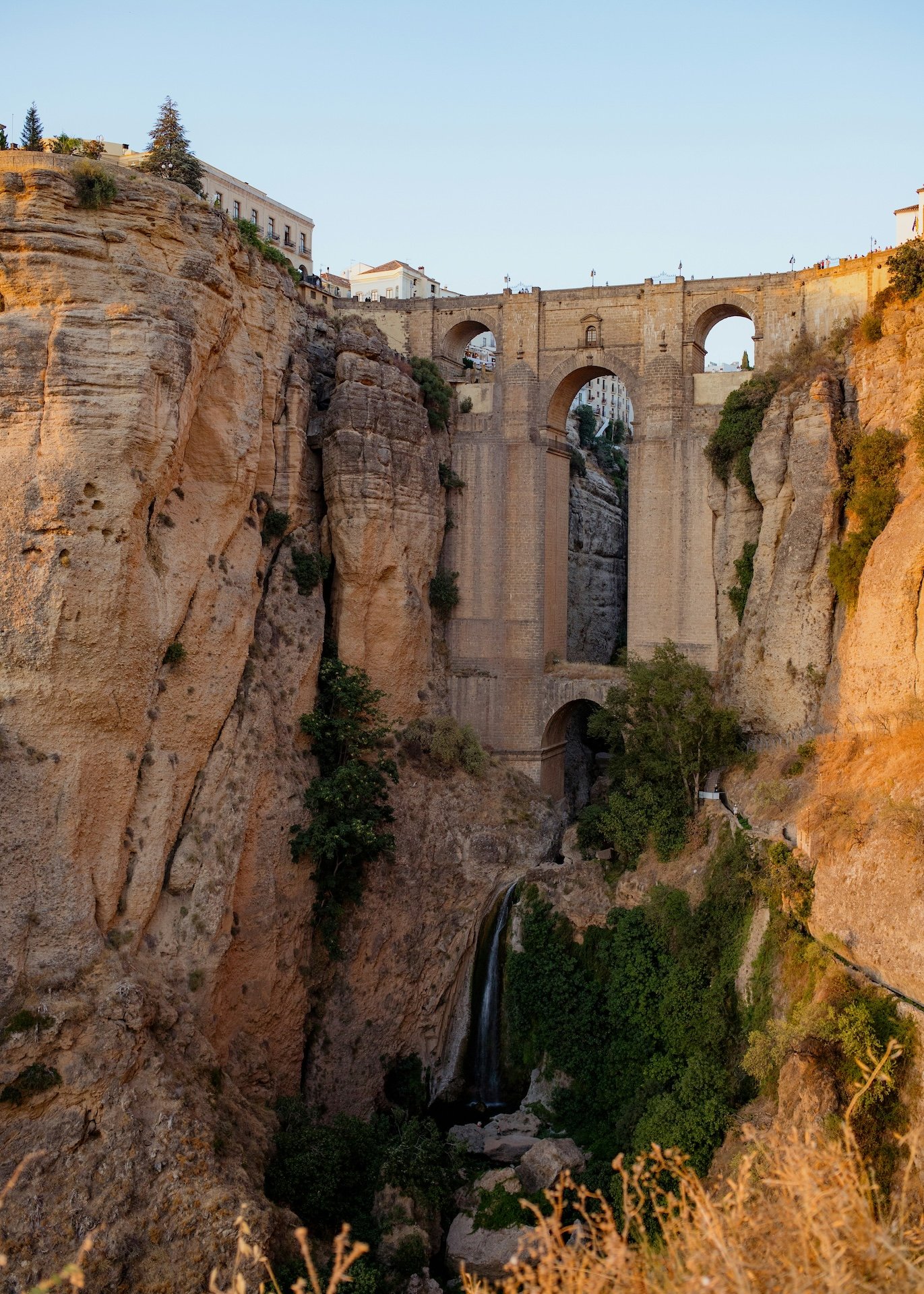
Ronda is a small city beautifully perched upon a cliff in the province of Málaga. It is known to be the most beautiful white village due to its magnificent setting. Ernest Hemingway spent many summers in his house in Ronda as a part-time resident of Ronda's old town quarter called La Ciudad. He wrote about Ronda's beauty and famous bullfighting traditions and was inspired by Andalusian history and culture.
Without a doubt, Santa María La Mayor is one of Ronda’s most sacred landmarks. Rebuilt by Catholic monarchs in the 15th century, it is located on the site where the town’s main mosque stood during Moorish rule and is a Gothic-style cathedral. The interior evokes Baroque and Rococo architectural styles.
The Palace of the Marquis of Salvatierra is one of the most significant civil monuments of Ronda. According to legend, it was formerly the home of the great king Abbel Malik or Abomelic, son of the Moroccan sultan Abul Asan. It was later renovated during Spanish rule. The palace displays a wide variety of architectural styles, including Moorish, Renaissance, and Gothic.


Day 9 - 12 | Granada
Private Transfer to Granada
Private transfer from Ronda to Granada (approx. 2 hours).
Realejo Walking Tour
Meet with your guide to walk through some of Granada’s main highlights, including the Jewish neighborhood of Realejo. This Realejo is known as the “Juderia” or the Jewish Quarter during Muslim rule. Stop by the Sephardic Museum of Granada and pop into the Palace of the Forgotten – a new privately-run Sephardic museum.
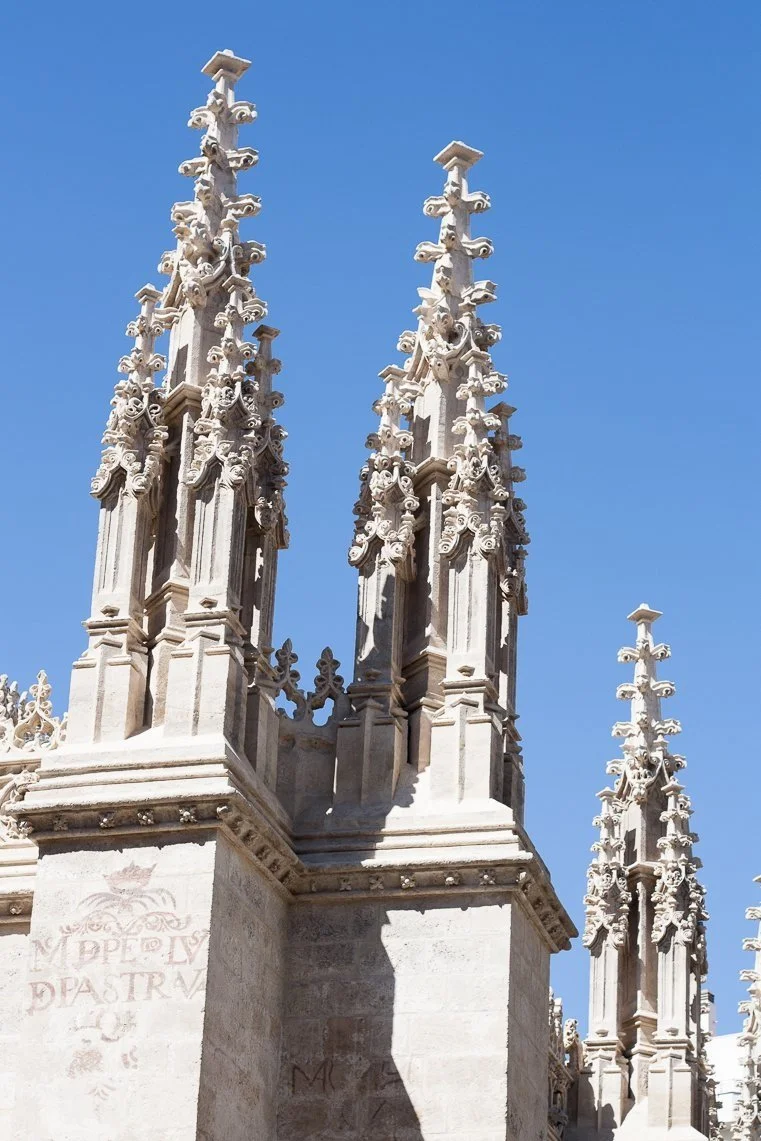
Royal Chapel of Catholic Monarchs
Visit the last resting place of Spain’s Catholic Monarchs, Isabel I de Castilla (1451–1504) and Fernando II de Aragón (1452–1516).
Alhambra
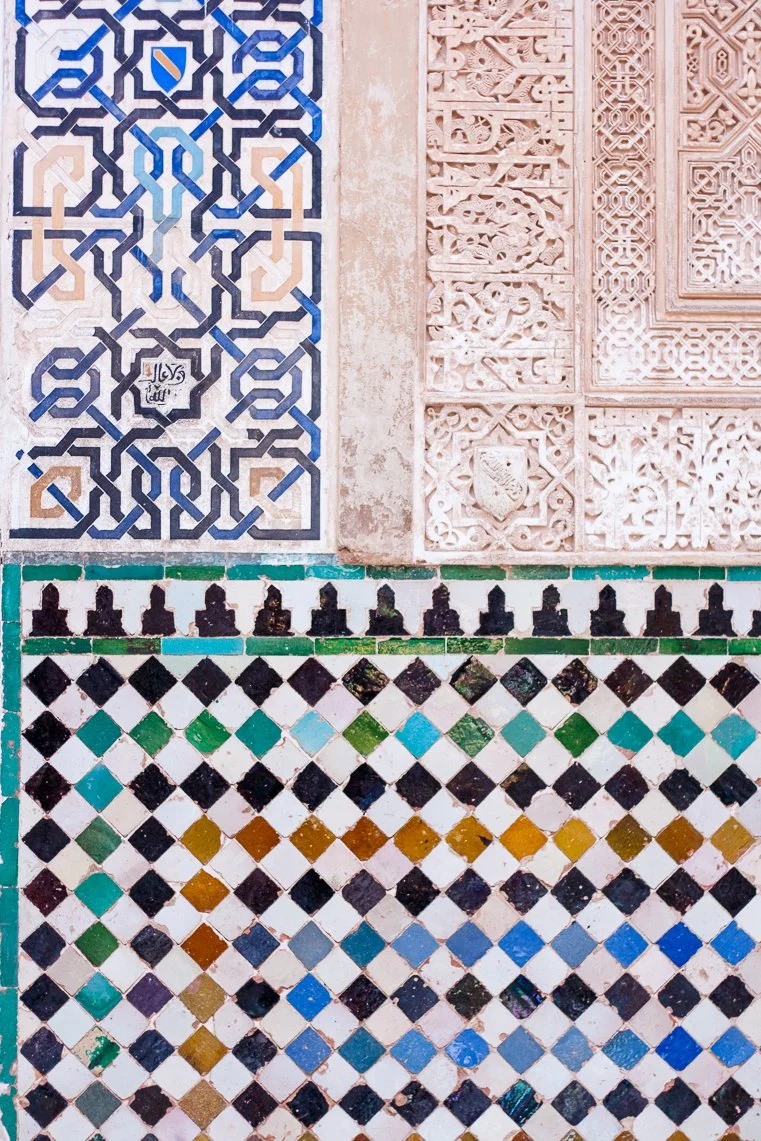
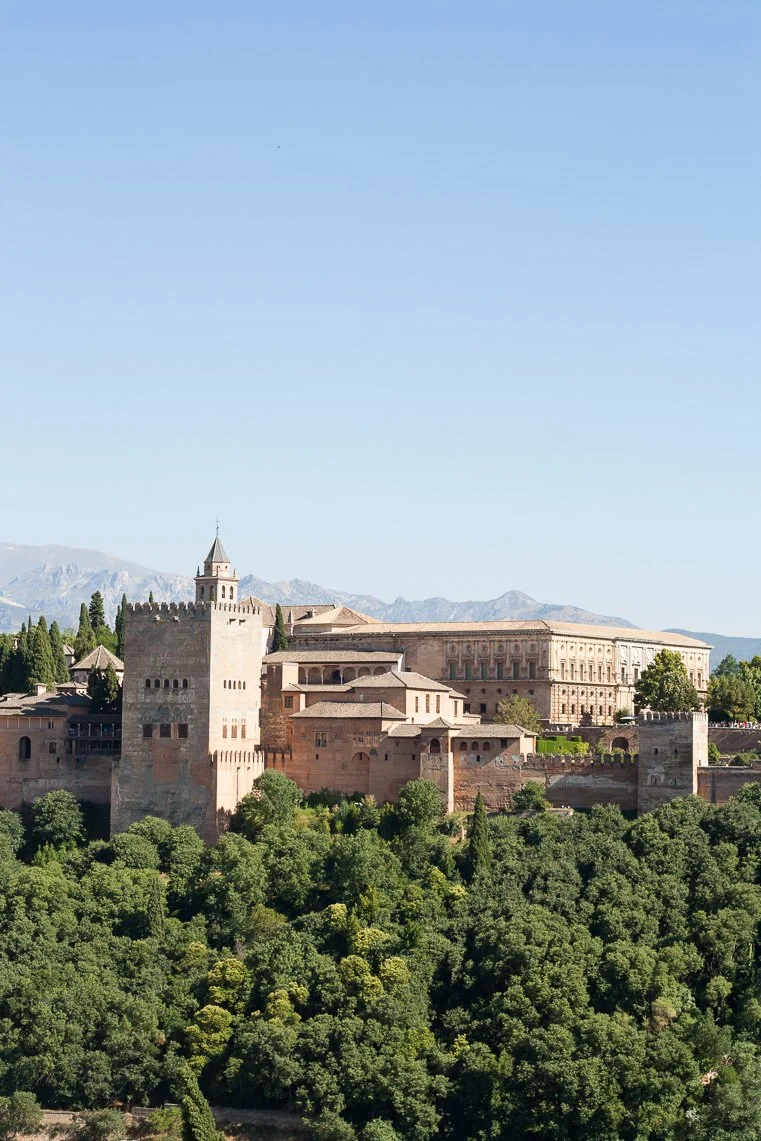
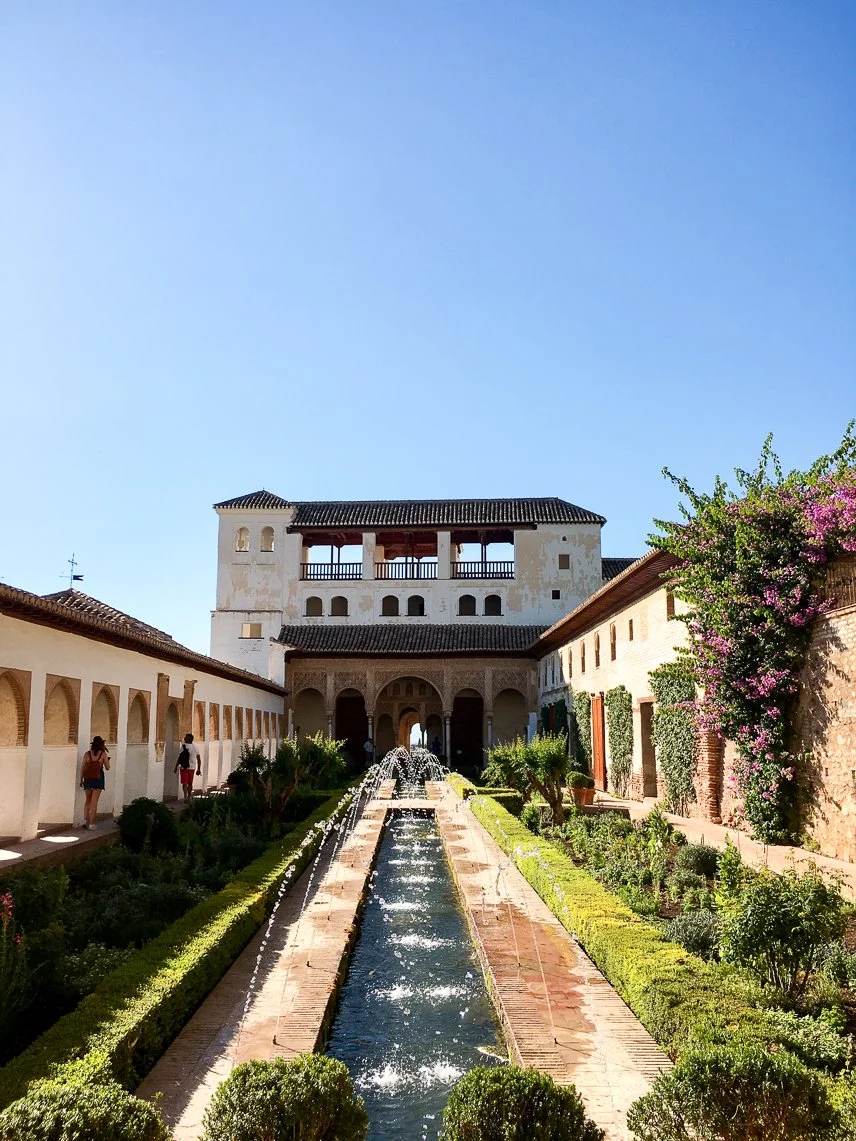
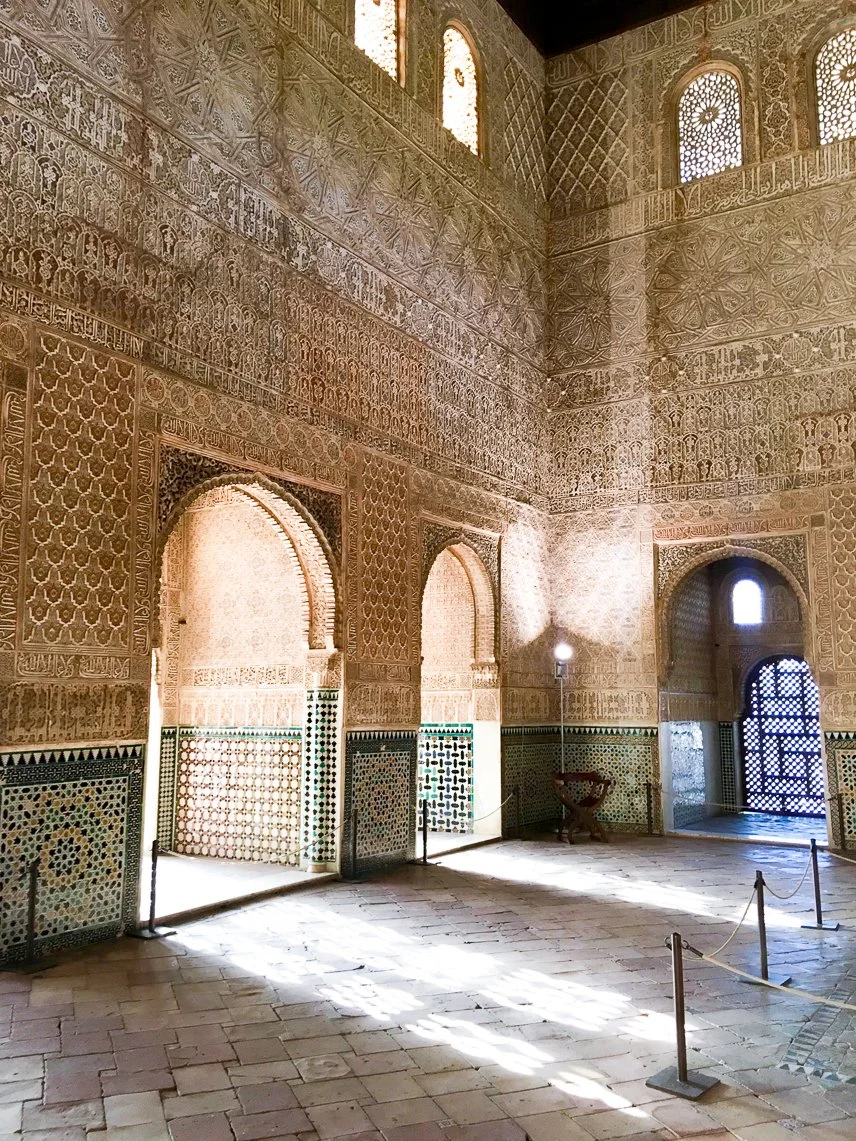
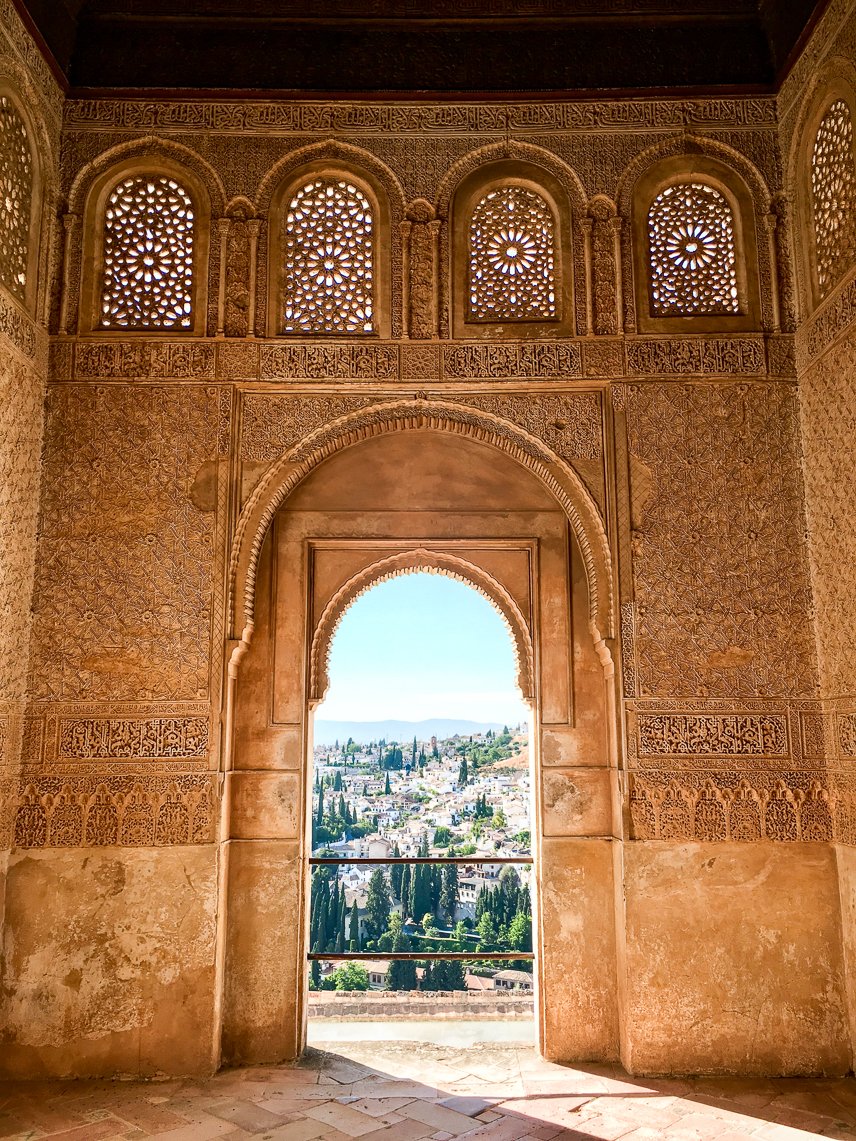
Enjoy a guided tour of the Alhambra. The Alhambra was constructed during the mid 10th century by an Arab ruler from the former Kingdom of Granada. After the Reconquista in 1492, some portions were used by the Christian rulers. After it fell into disrepair for centuries, the Alhambra was “discovered” in the 19th century by European scholars. It is now one of Spain’s major tourist attractions, as the most famous and important example of the country’s Moorish architecture. It also features 16th-century and later Christian style additions.
Tapas Tour
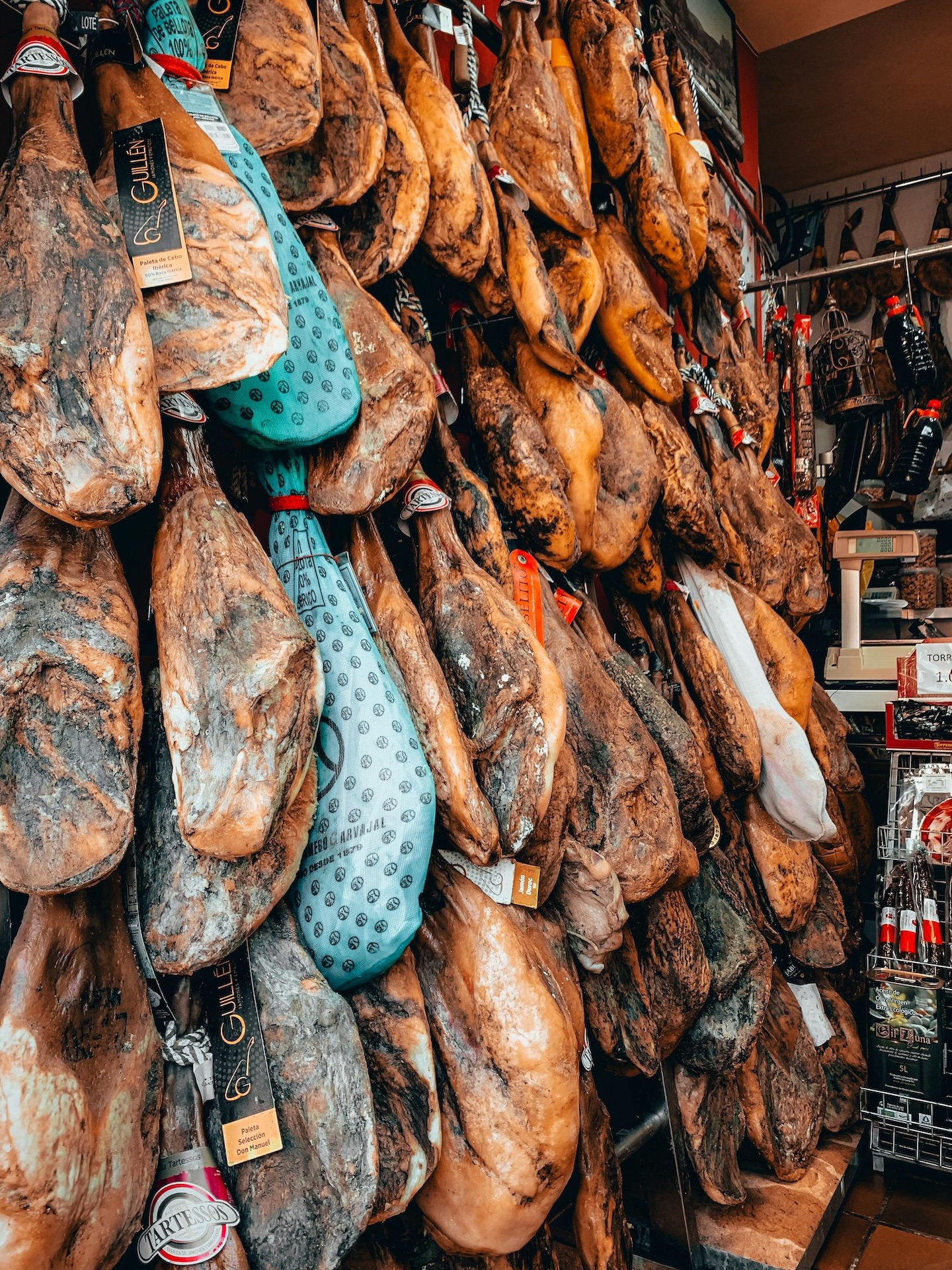
In the evening, experience a walking tapas tour with your personal guide, tasting the various authentic dishes of the region.
Flamenco Show in Sacromonte Caves
Delight in an intimate flamenco performance in the historic caves of Sacromonte, the heart of Granada’s Gitano culture. Paired with fine Andalusian wines and local tapas, this exclusive experience offers an authentic glimpse into the passion and artistry of traditional flamenco in its birthplace.

Day 12 - 14 | Malaga
Private Transfer to Malaga
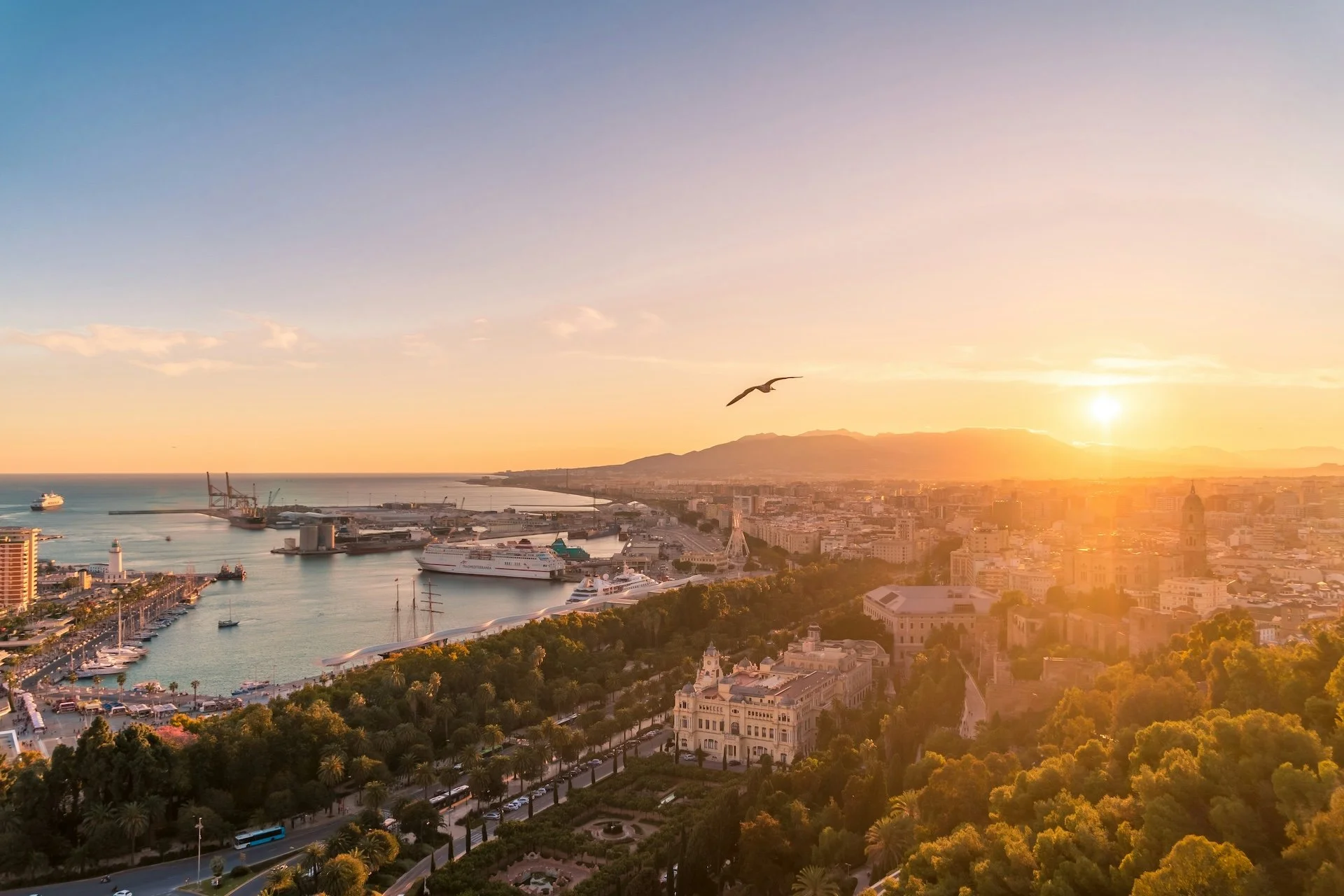
Greeting by your host and private transfer to the city of Malaga (approx. 1 hour 45 min transfer).
Private Guided Tour of Malaga
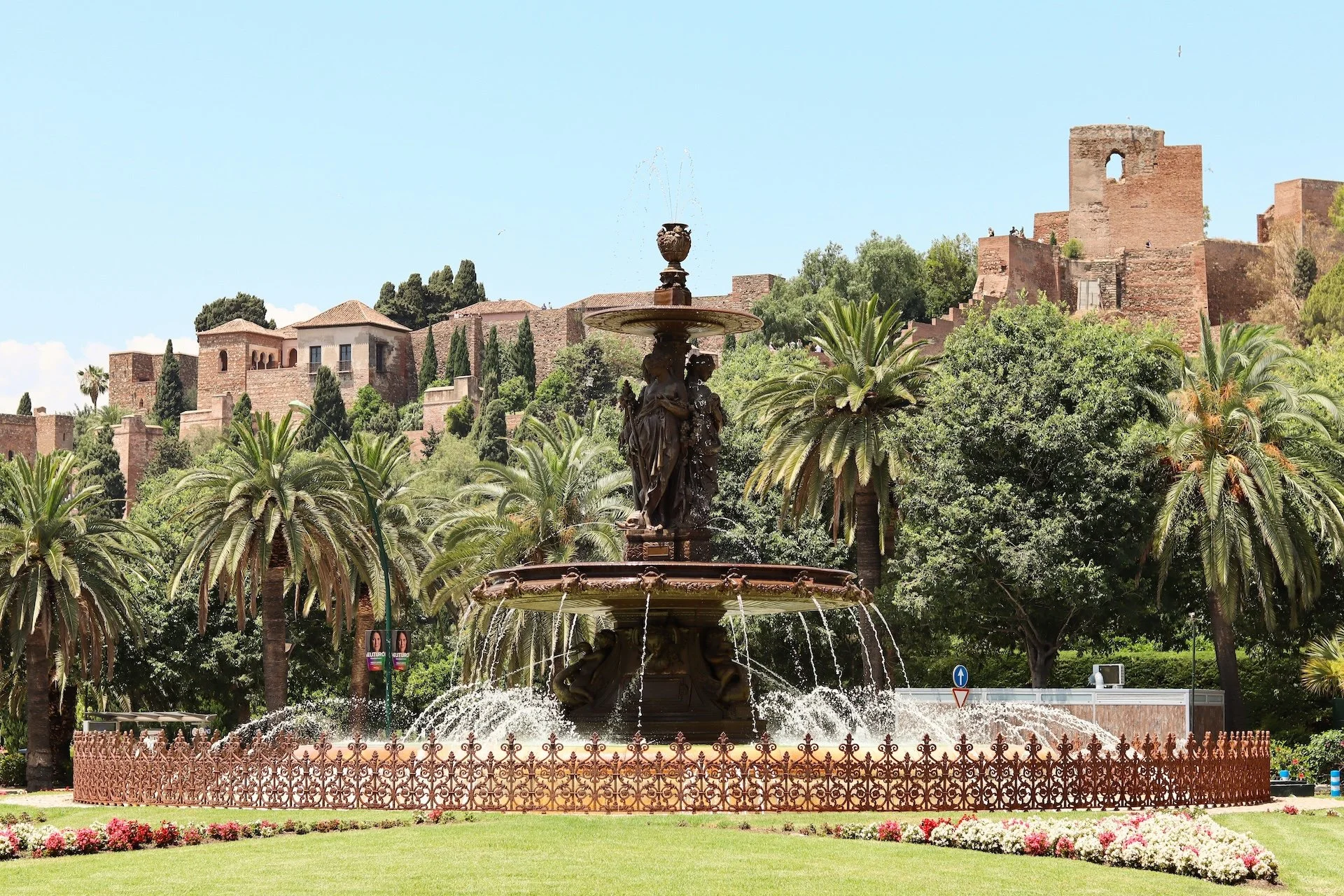
Arrival to Malaga, with your expert guide, visit the Roman Theater and the Alcazaba. Continue to other ruins of importance, including those found in the Rectory of the University of Malaga, which was built directly above the remains of the Phoenician wall of Malaga and other elements of the Roman garum that are still visible today.
Although this Roman theater has been dated back to the 1st century BC, it has been well preserved after being abandoned in the 3rd century. It was accidentally discovered again in 1951.
A palatial fortification in Malaga, the Alcazaba was built by the Hammudid dynasty in the early 11th century and is located adjacent to the Roman theater. This special corner offers the chance to observe Roman, Arab, and Renaissance culture, all within a few yards of each other.
The Old Post Office is now the Rectory of the University of Málaga but was originally constructed from 1916 to 1923. The ancient remnants from the Phoenicians and Romans can still be seen below the building.
Picasso Museum
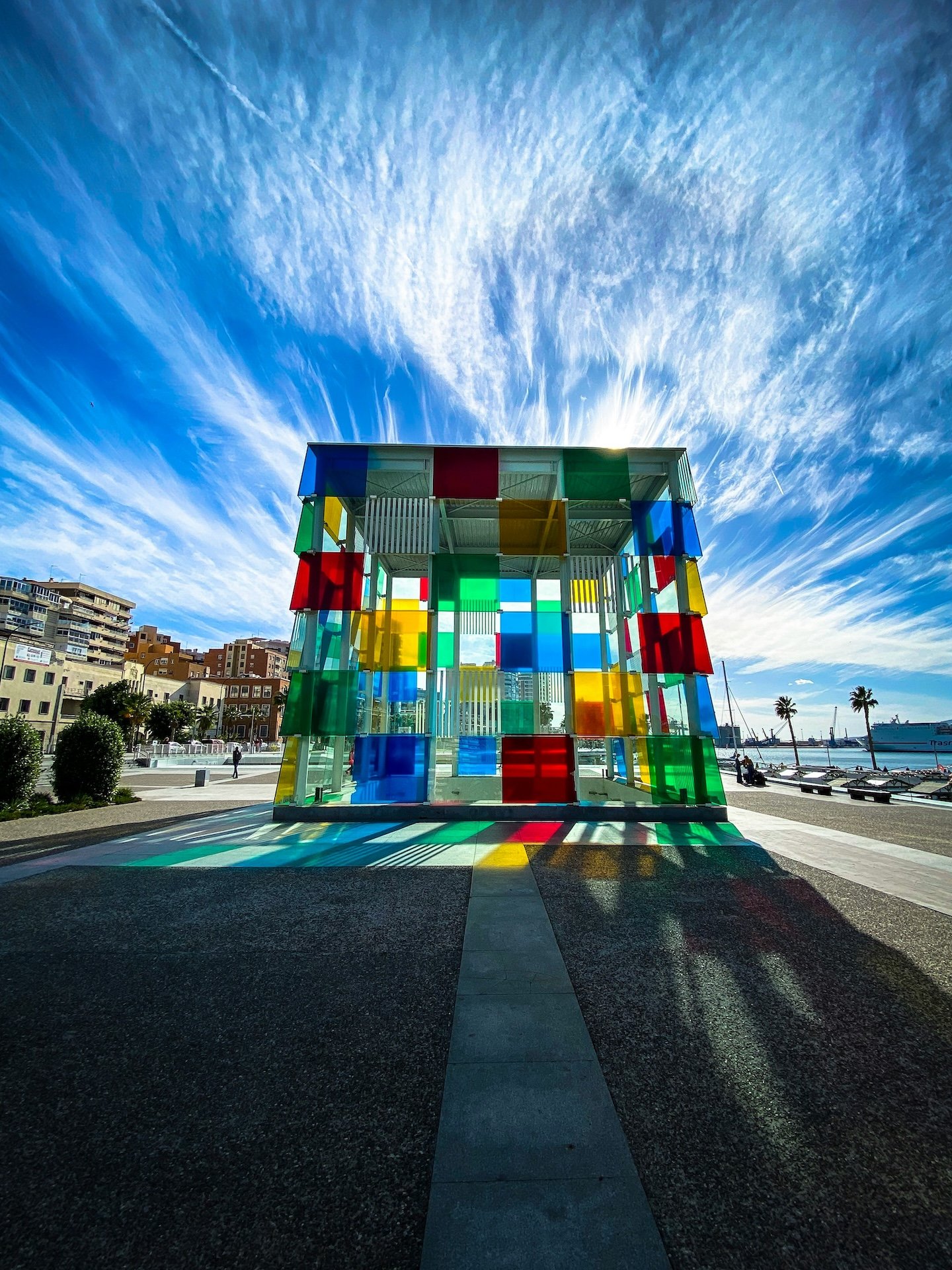
A Malaga local, Pablo Picasso, was born here in 1881. The Picasso Museum holds a collection of 204 of Picasso’s works. The pieces have been donated or are on loan to the museum by the Picasso family. “Paulo con gorro blanco” is a particularly touching piece from the 1920s of Picasso’s oldest son. Don’t miss the Phoenician, Roman, Islamic and Renaissance archaeological remains in the museum’s basement, discovered during construction works!

adios
Day 14 | Departure
Airport Transfer
Greeting by your driver and private transfer to the Malaga Airport for your flight home.
Pricing & Inclusions
See our Booking Terms & Conditions here.
Starting at $18,000 Per person*
*Approximate price per person based on two people in double occupancy, subject to change depending on itinerary specifics and dates.
Accommodation
Corral del Rey | 4 nights
Hospes Palacio del Bailio | 2 nights
Parador Ronda | 2 nights
Hospes Palacio de los Patos | 3 nights
Palacio Silencio | 2 nights
Transport: All private transfers and transportation as needed and as listed in the itinerary.
Tours & Activities: All private tours, activities, excursions, tastings and their corresponding entrance fees and taxes.
Hosts & Guides: Private expert guides and personal hosts to accompany your at different point of the journey.
Train Ticket: Train from Seville to Cordoba in Business seats and any other train routes needed.
Meals: All breakfasts as indicated in the itinerary, in addition to some meals associated with tastings and tours.
Other: City taxes associated with your accommodations. Restaurant reservations and coordination. 24-hour emergency team on call during your trip.
Exclusions
Flights
Travel insurance
Tips
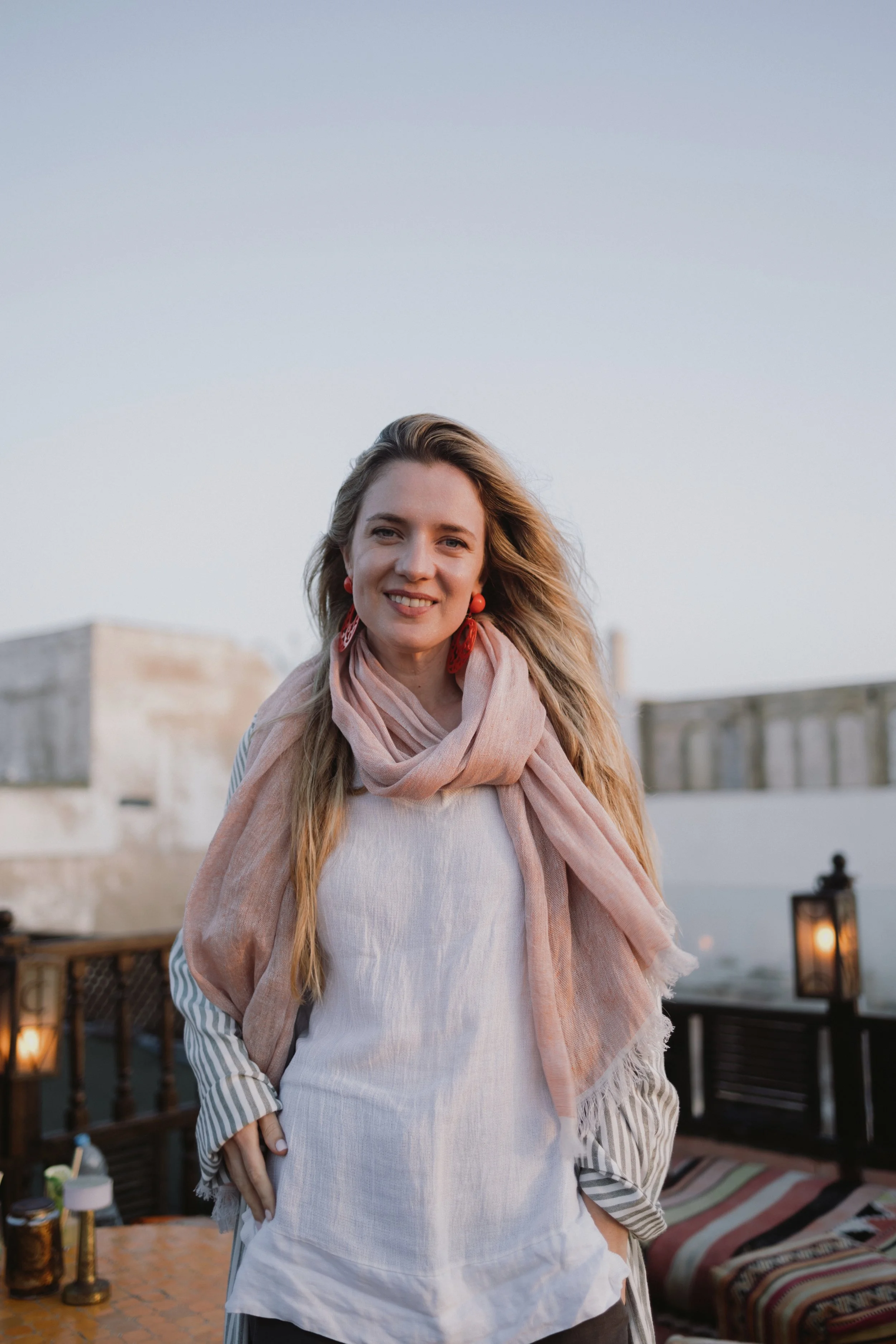
Your Travel Curator:
Sarah Casewit
My connection to Southern Spain is not professional first. It runs through history, through the Moorish architecture and the Arabic place names and the tile work that echoes what I grew up seeing across the Strait in North Africa. That thread between continents is something I feel viscerally here in a way that is difficult to manufacture or explain to someone who has not lived it.
I have been based in Spain for five years, and long before that I was drawn to the south specifically, to the Axarquía villages, the Ronda plateau, the medina-like warren of Córdoba's old city. I have planned hundreds of itineraries across Andalusia, for clients at every level of expectation, and it remains one of the few destinations that consistently over-delivers. The history is dense, the food is serious, the light is extraordinary, and the infrastructure for high-end travel, from the rural cortijos to the paradores to the smaller boutique properties, has matured without losing character.
When I design a trip here I am not working from a template. I am working from years of personal experience and a genuine familiarity with what makes each part of the region distinct. Andalusia is never a safe fallback choice. It is a considered one, and it earns its place in any Mediterranean itinerary.