My favorite restaurants + Cafes in Tokyo










Best eateries in Tokyo
Curated by Sarah Casewit
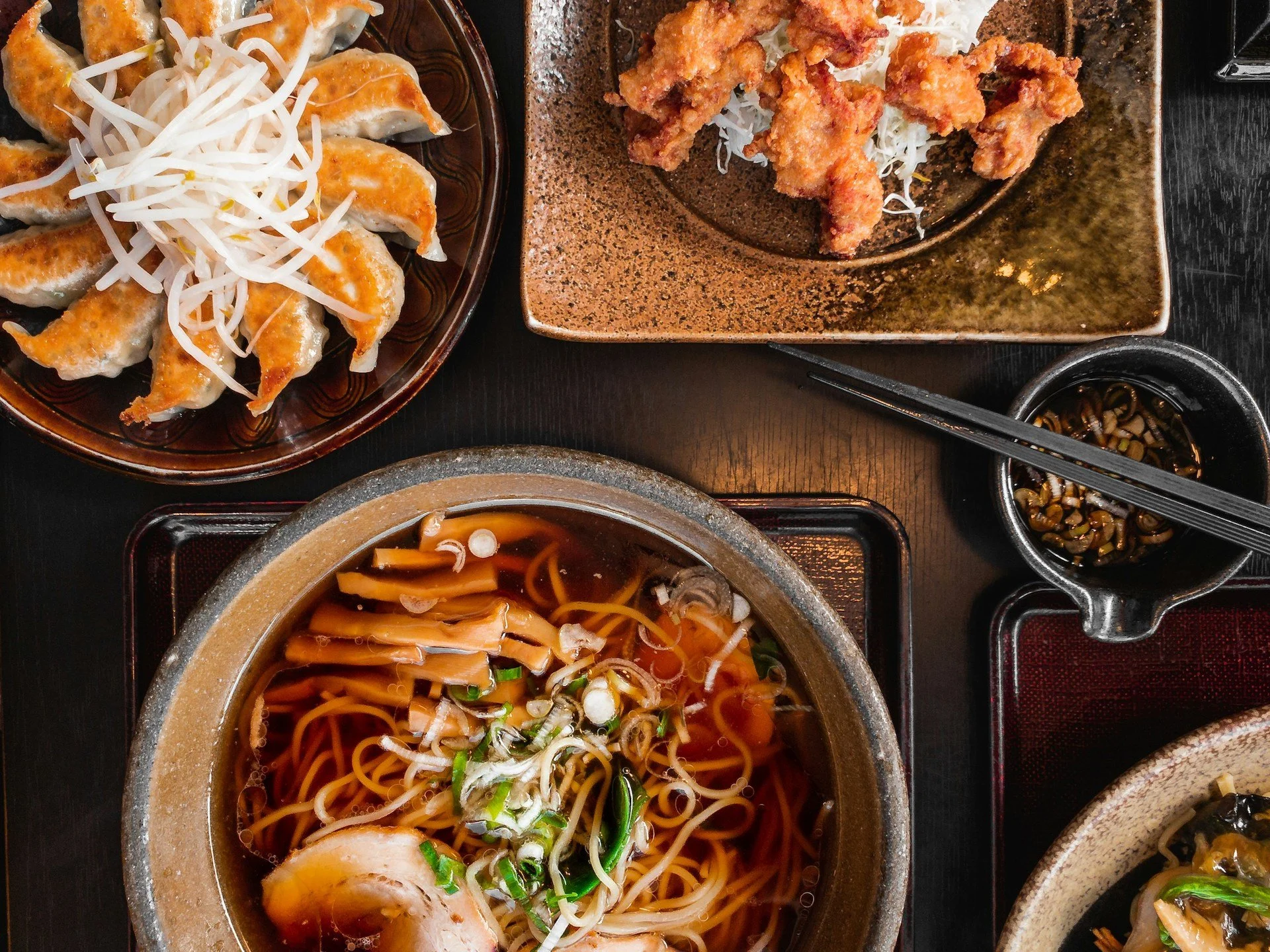
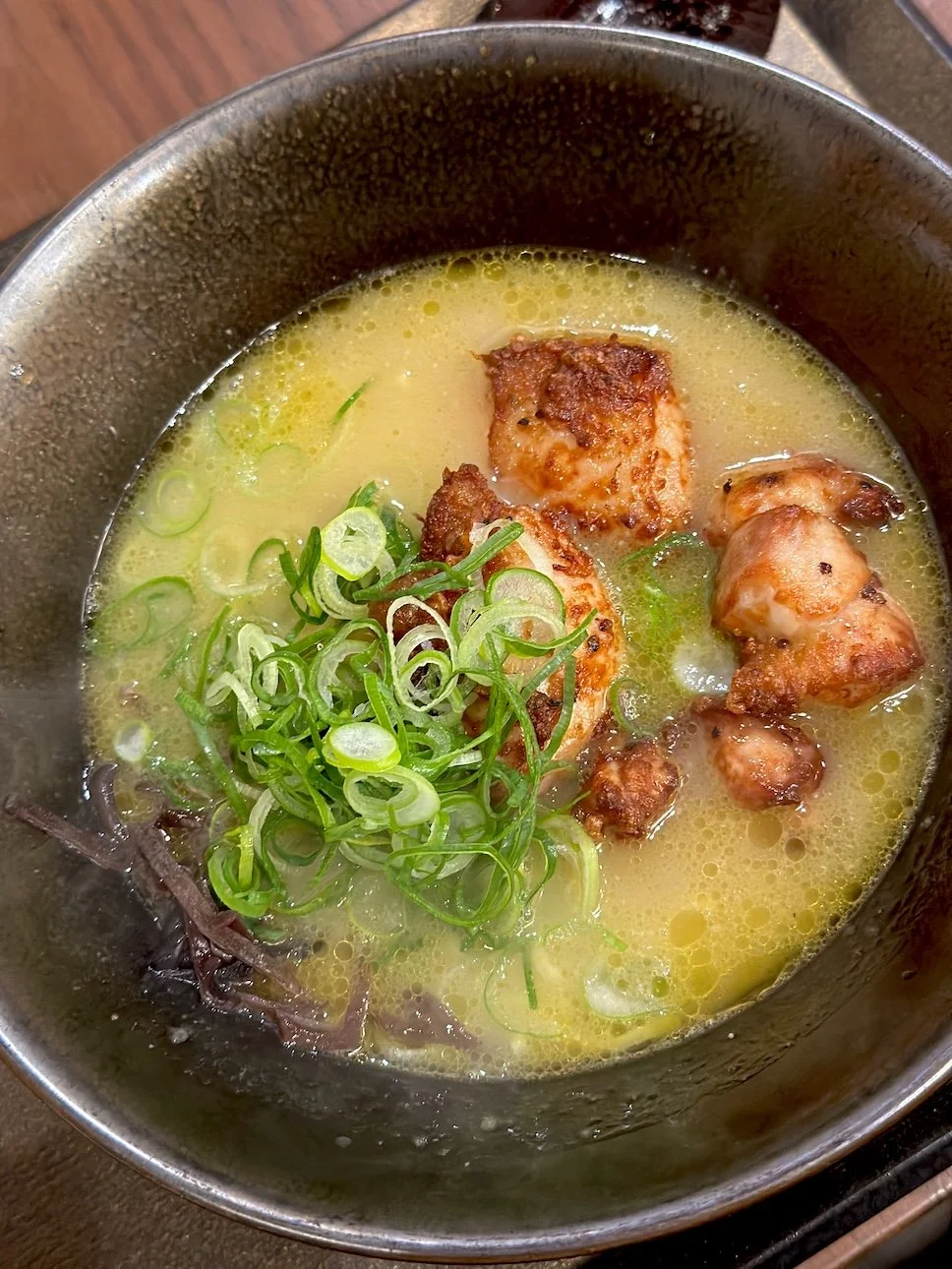
Halal Wagyu Ramen & Tempura Konoha — Kanda Halal certified wagyu ramen a two minute walk from Kanda Station, made with A5 grade beef in a clear, rich broth. The tempura set makes a solid add on, and it is a convenient first or last stop for travelers passing through Tokyo Station.
Kinryu — Kanda A tsukemen specialty shop from the well regarded Koike ramen group. The signature dish is katsuo kombusui tsukemen, dipping noodles served in a bonito and kelp infused broth, topped with low temperature chashu and housemade wontons.
Tsukishima Monja Moheji Honten — Monja Street The original branch of one of Tsukishima's most established monjayaki restaurants, dating back to 1871. Staff cook the batter tableside, and the mentaiko and mochi version is the standout order.
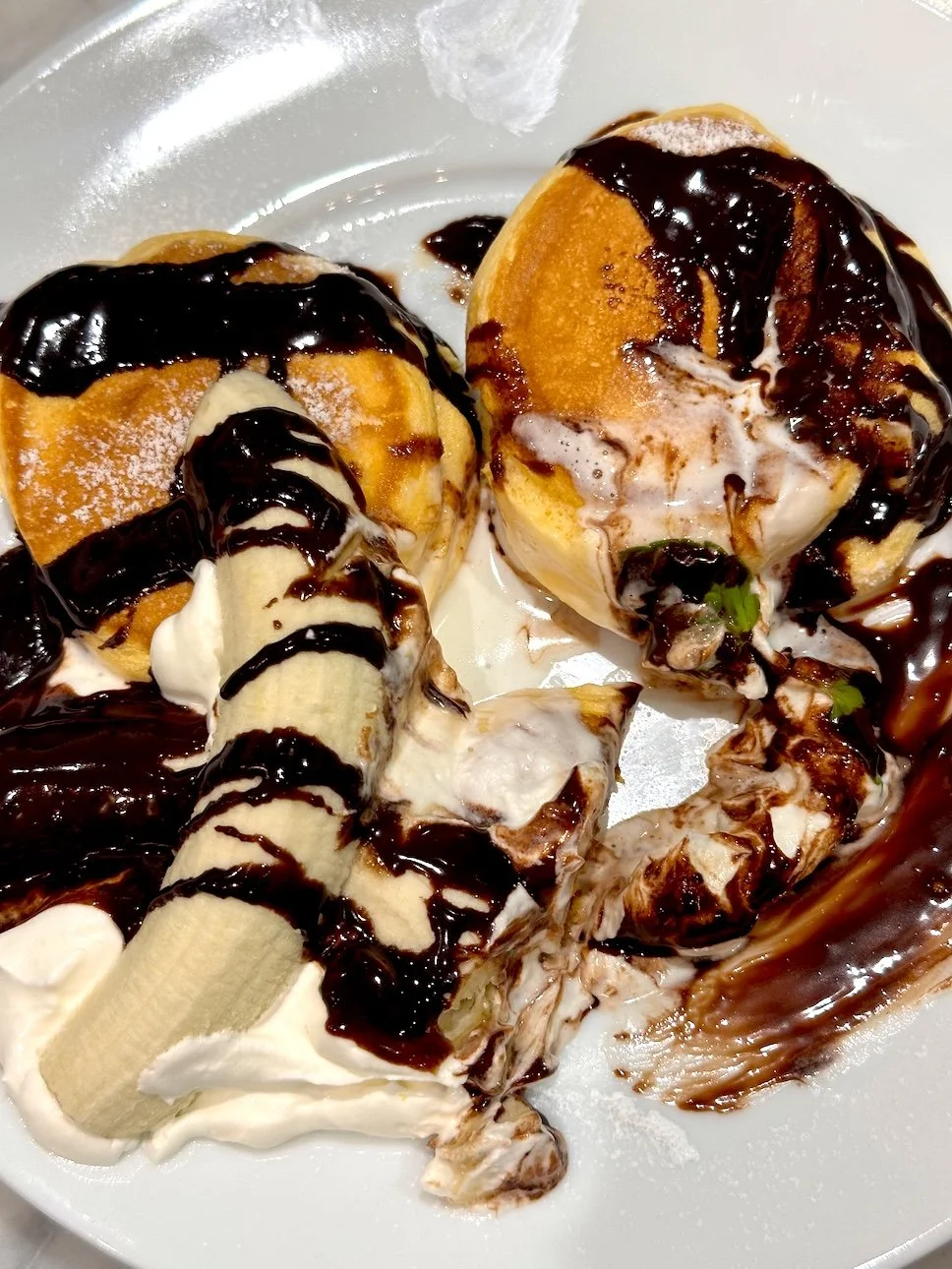
Benitsuru Pancake — Asakusa A small counter shop known for fluffy, meringue based rice flour pancakes cooked to order. It runs on a same day ticket system, so guests need to line up early, often before 7am, to secure a reservation.
Naruto — Shibuya A halal certified wagyu yakiniku and ramen spot known for its wagyu ramen made with a rich beef broth and thin slices of beef, plus full yakiniku sets for grilling wagyu tableside.
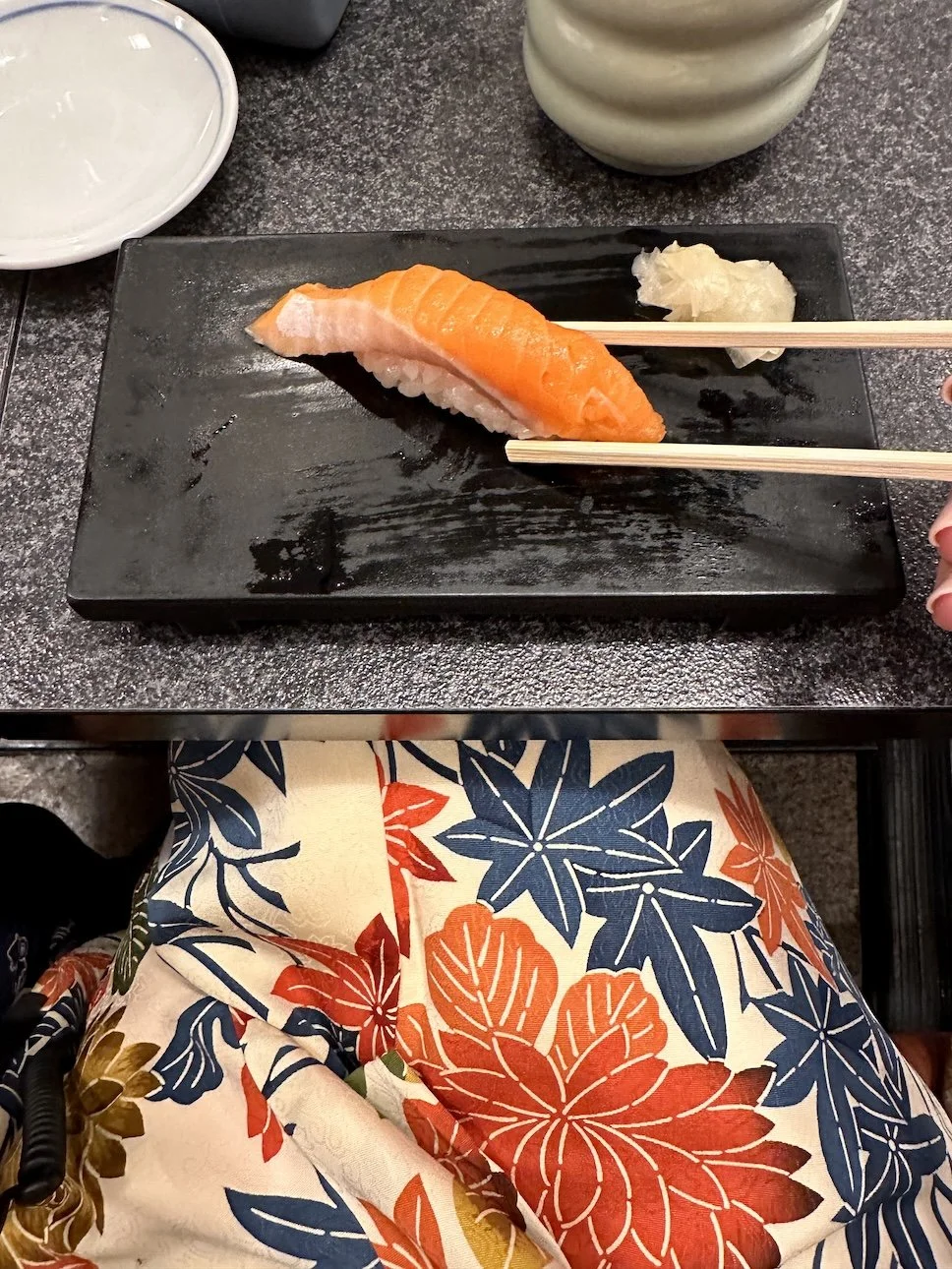
Sushiro — Shibuya Japan's largest conveyor belt sushi chain, offering fresh, affordable nigiri and rolls. A good casual option for guests who want quality sushi without the reservation or price tag of a sit down counter.
Key's Cafe — Ginza / Shinjuku / Tokyo Station A casual Tokyo cafe chain with multiple locations across the city, serving pancakes, bento boxes, sandwiches, and coffee. Reliable for a quick, work friendly stop between sightseeing.
A Happy Pancake — Omotesando Part of a well known Tokyo souffle pancake chain, serving the tall, jiggly style pancakes that draw lines throughout the day.
Afternoon Tea • LOVE & TABLE — Omotesando A bright, all day cafe near Omotesando Station known for its mille crepe cakes layered with fresh seasonal fruit. Note there is a one drink per person rule even with food orders.
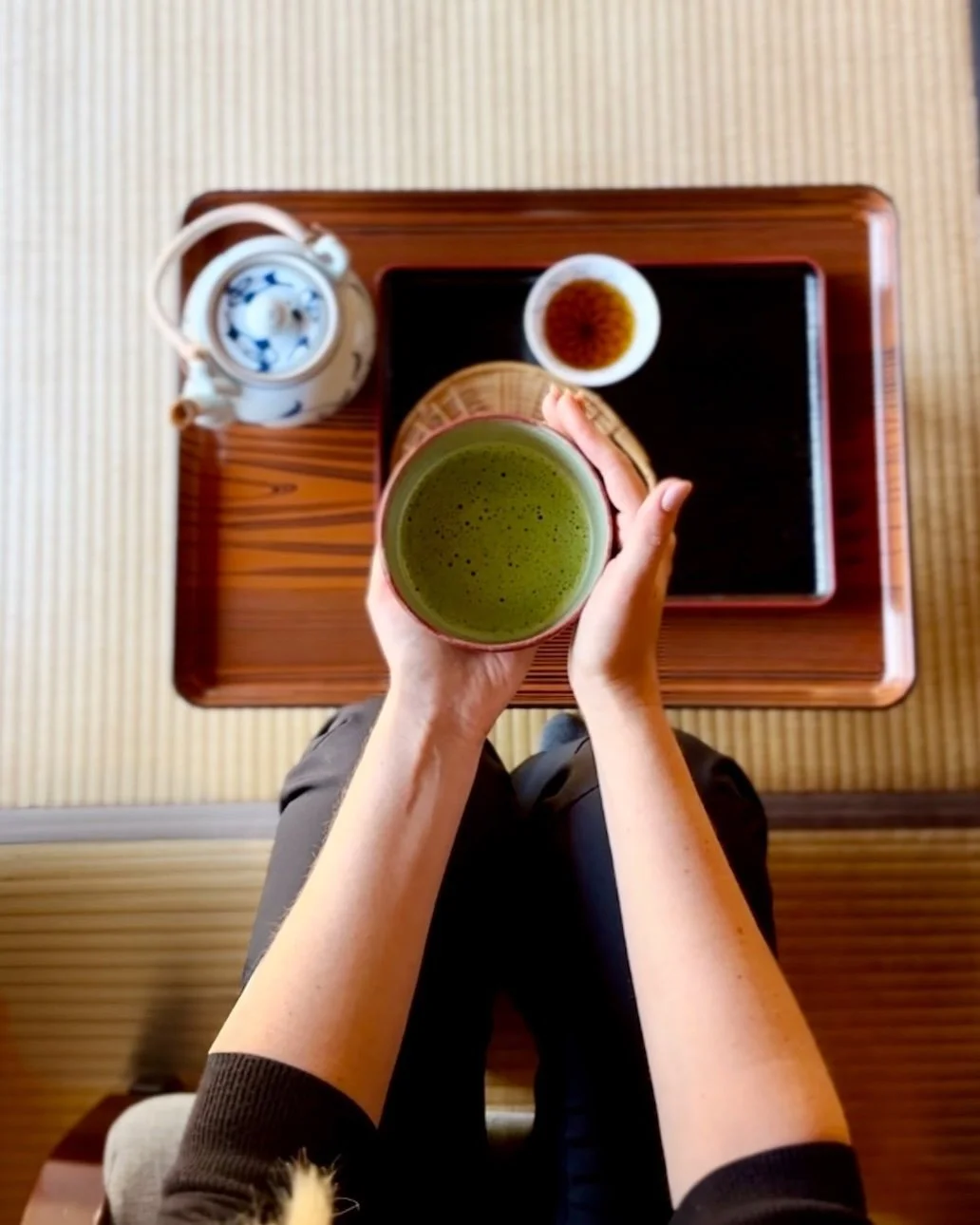
Omotesandō Chachanoma — Omotesando A specialty Japanese tea shop serving curated Japanese teas, including gyokuro and roasted hojicha, paired with matcha based sweets. Multiple infusions of the same tea are served to show how flavor shifts across brews.
Pannya Curry — Shimokitazawa A curry specialty shop in Tokyo's self proclaimed curry district. The signature Maha Katsu Curry features a pork cutlet coated in squid ink breadcrumbs, served in a sauce that blends Indian spice with Japanese soy sauce and dashi. Cash only.
Halal Wagyu Karemen King — Akihabara A halal certified wagyu ramen and curry shop near Akihabara Station, known for its wagyu ramen and wagyu cutlet, with prayer space nearby for Muslim travelers.
Sakurai Tea — Aoyama A contemporary tea house on the fifth floor of the Spiral Building, run by tea master Shinya Sakurai. Full tasting courses of gyokuro, roasted hojicha, and matcha are available, plus tea infused cocktails after hours.
L'Atelier du Pain — Roppongi A stone oven bakery a minute's walk from Roppongi Station, known for naturally leavened bread. Standouts include the salt bread, pistachio canele, and pain au chocolat, with a small eat in area for guests who buy a drink.
Daiwa Sushi — Toyosu A sushi counter inside Toyosu Market. The omakase set includes around seven pieces of nigiri, rolled sushi, tamagoyaki, and miso soup, and typically moves faster than the market's other famous sushi counter, Sushi Dai.
Hekkelun — Ginza A retro kissaten style coffee shop near Toranomon and Shimbashi, open since the 1970s. Best known for its jumbo purin, a large custard pudding topped with caramel sauce. Cash only, and expect a line.
Oyoppi Coffee — Shin Okubo (see note below) A Korean style dessert cafe known for its rose shaped blooming apple tea and Basque cheesecake. Up a steep, narrow staircase, and it fills up fast.
Kosoan — Jiyugaoka A traditional tea house set inside a converted old wooden home with a small Japanese garden. Guests sit on tatami and order matcha or hojicha with wagashi, including the house specialty matcha zenzai.
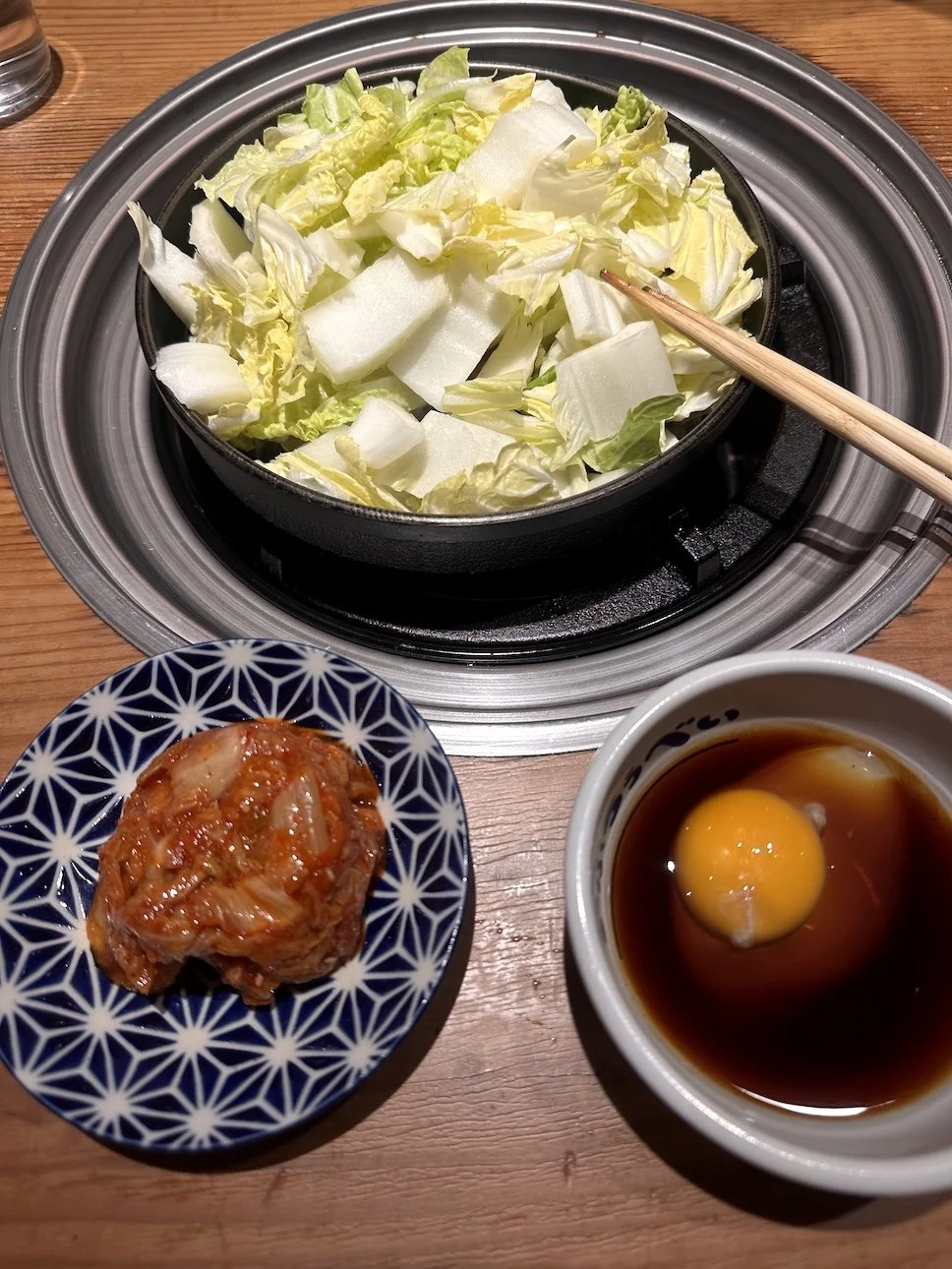
Wagyu Yakiniku Rojiura — Kabukicho, Shinjuku A private room, wagyu focused yakiniku spot the guide calls a good soft landing for a first night in Tokyo. Tasting sets walk guests from lean to rich cuts, with staff pacing the meal so nothing gets rushed.
Sumibi Kushiyaki Kemuri — Kichijoji A charcoal grill yakitori counter where chicken is cooked over binchotan, from thigh and scallion to skin, liver, and heart. Pairs naturally with a walk through the standing bars of nearby Harmonica Yokocho afterward.
Tokichirō — Asakusa A tiny, ten seat ramen shop known for its spicy tantanmen, built on a creamy sesame base with a proper peppery kick. Order from the ticket machine, cash only, and it's an easy stop near Senso ji.
Tachigui Sushi Tonari — Azabujuban, Setagaya area A standing sushi bar with a Michelin Bib Gourmand rating, offering a concise omakase away from the tourist heavy counters. Good for guests who want a serious sushi experience without a multi hour sit down commitment.
Tonkatsu Keita — Nishi Ogikubo, Suginami A small, ten counter seat tonkatsu shop sourcing pork from the chef's own family farm. Known for a glass thin panko crust, a truffle dressed cabbage salad, and a yuzu sorbet finish.
Book your Japan Trip with me
Looking to travel to Japan? Plan your itinerary with an expert who knows the country inside out and loves it almost as much as you do.
"Is Japan the Most Underpriced Destination of 2026?"
A Hotel Life, April 2026

Why I love the Food in Tokyo
Tokyo ruined me for eating anywhere else. The best meals I have ever had were not in the restaurants with the polished websites and the two week waitlists. They were behind an unmarked door, up a narrow staircase, past a vending machine you had to guess your way through in a language you do not speak. A ramen counter with nine seats. A curry shop that only takes cash. A pancake place where you queue before sunrise for a ticket you might not even get. Tokyo hides its best food on purpose, or maybe it just does not bother advertising when the food speaks for itself. Either way, I have learned to trust the places that look like nothing from the outside more than the ones that look like something.
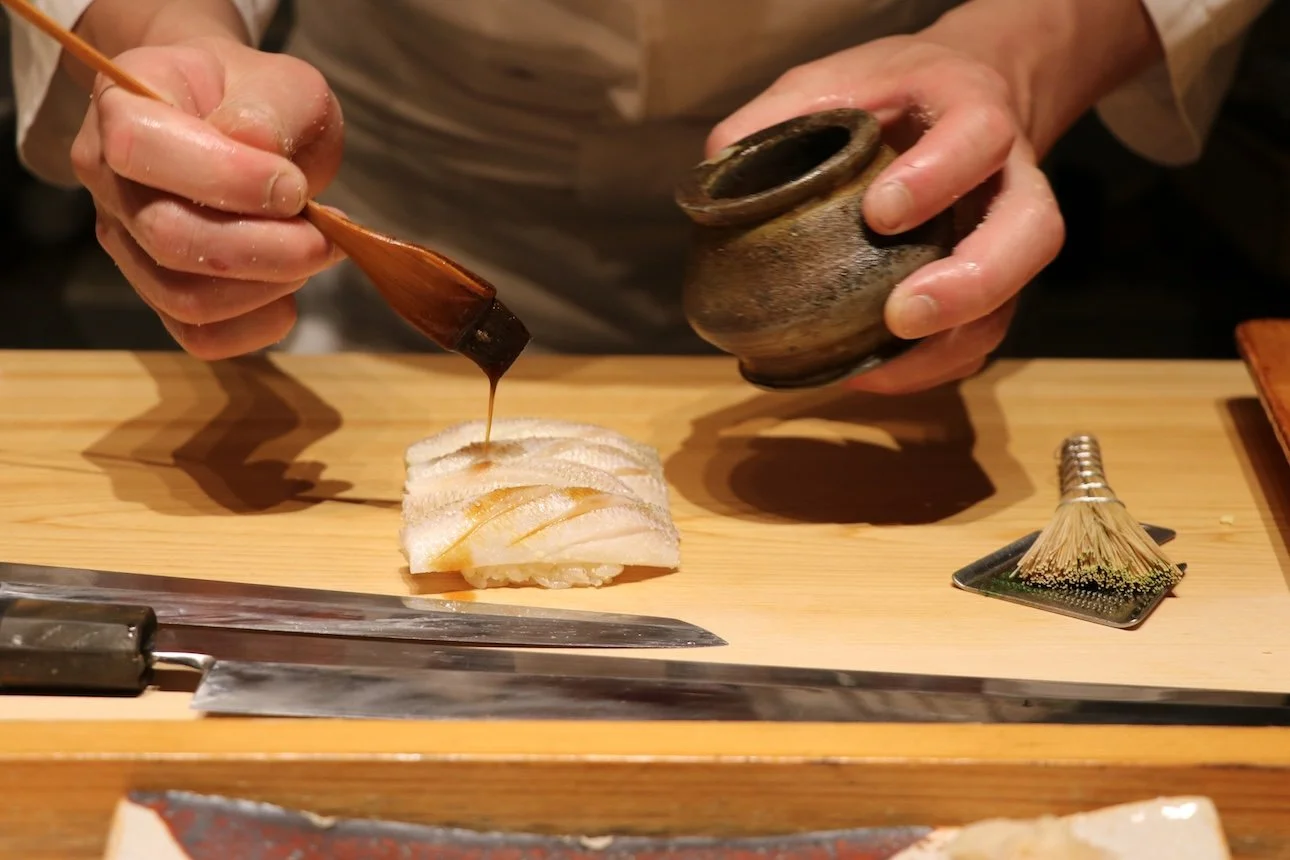
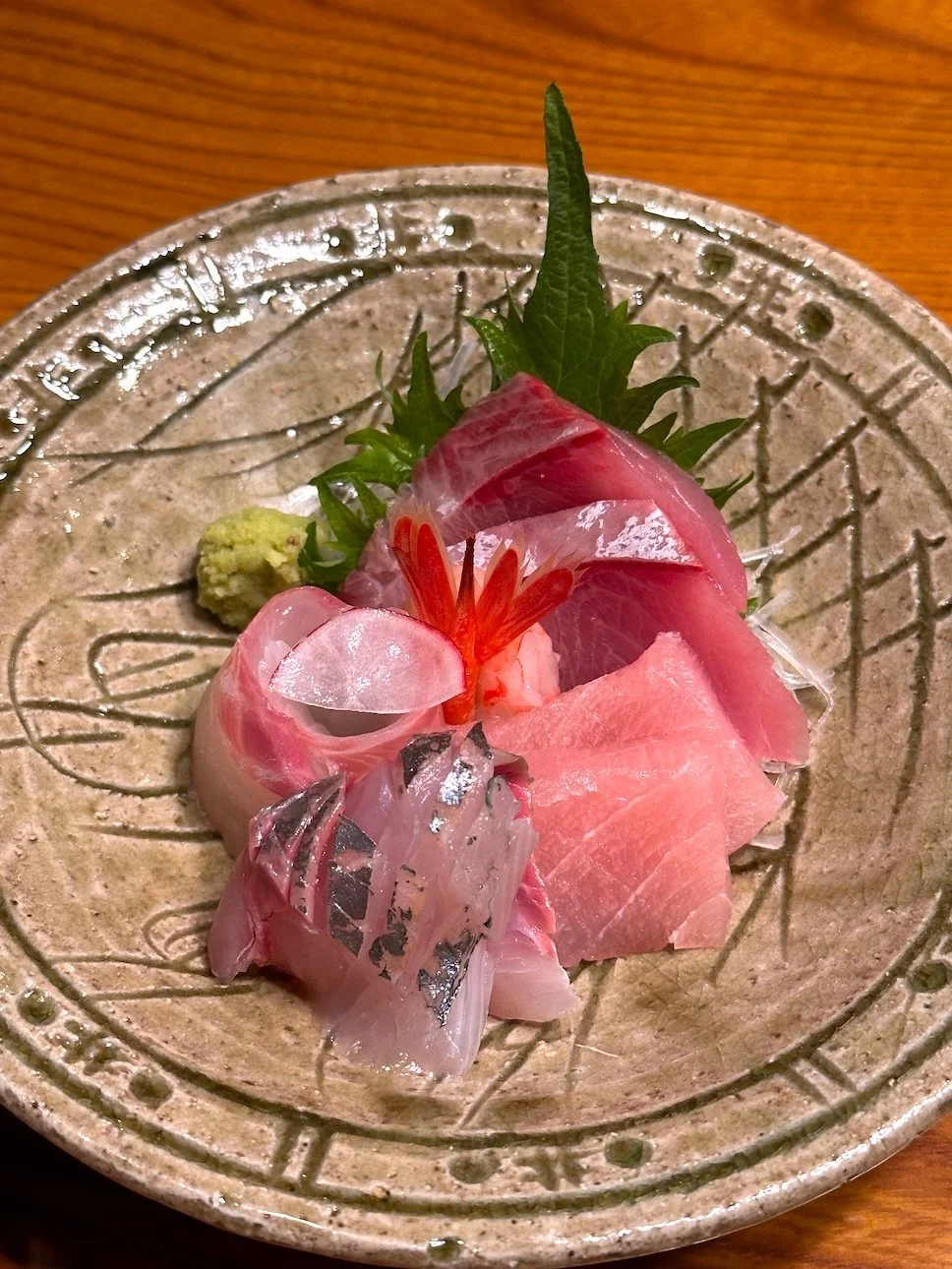
And the sushi. People ask me where the best sushi in Tokyo is and I genuinely struggle to answer, because I have never had bad sushi in Japan. Not once. A conveyor belt spot in Shibuya, a standing counter in Azabujuban, a stall inside a fish market at six in the morning, all of it has been good, some of it has been the best food of my life. There is a baseline of care and skill in this country that makes mediocrity almost impossible to find. You stop asking where to go and start asking what kind of experience you want, because the quality is a given.
What I love most is not even the food itself, it is the people wrapped around it. The chef who spends twelve years learning to make one style of tea and still treats every cup like the first one that matters. The owner who does everything alone in a ten seat shop and remembers your order the second time you come back. The strangers next to you at a standing bar who end up sharing a drink and a laugh because there is nowhere else to look but at each other. Add in the fact that half these places take an hour of wandering the wrong direction before you find them, and somehow that is part of the pull too. Getting lost in Tokyo looking for a bowl of noodles has taught me more about the city than any guidebook ever could.