The Local Market's Honesty
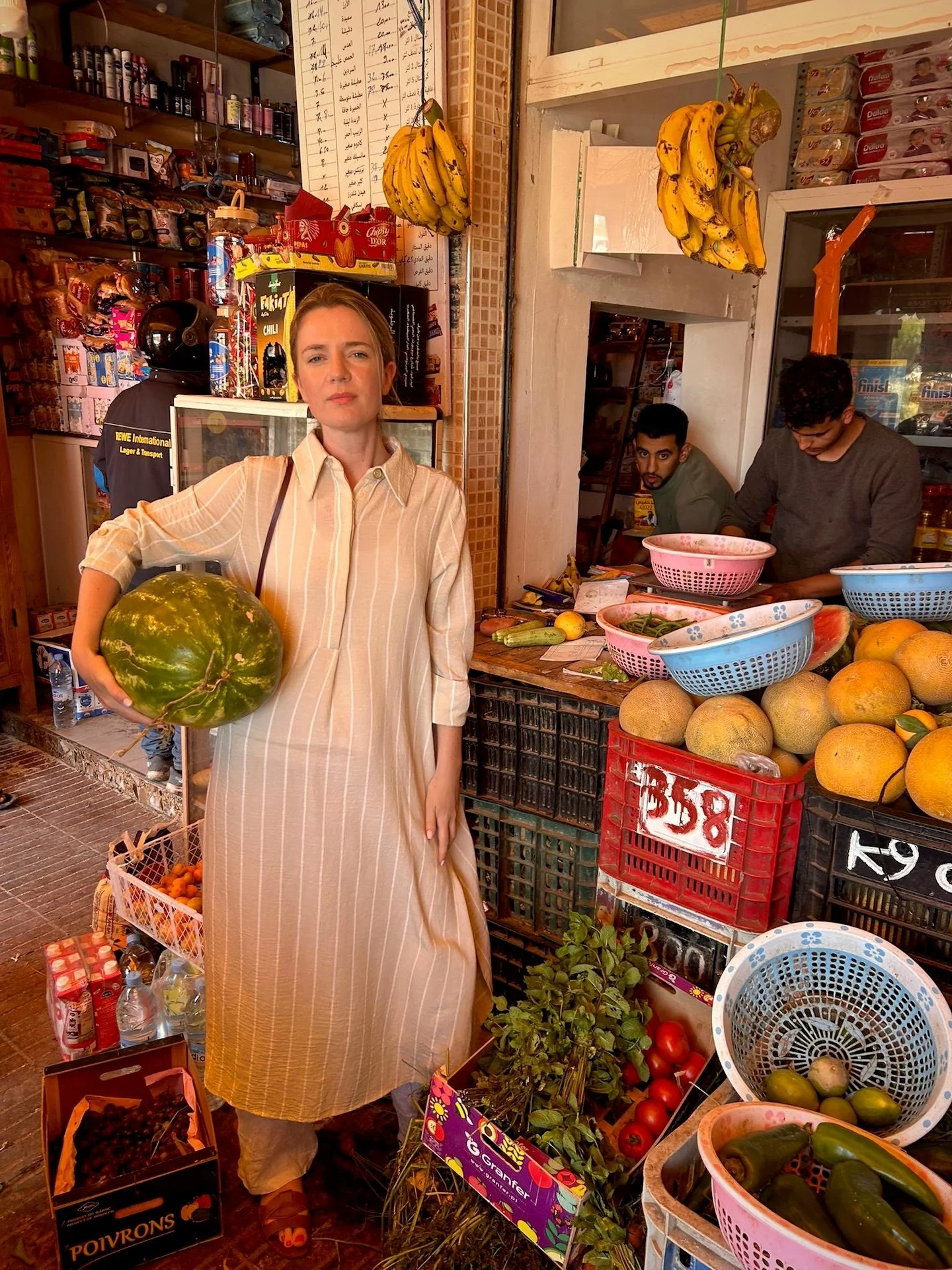
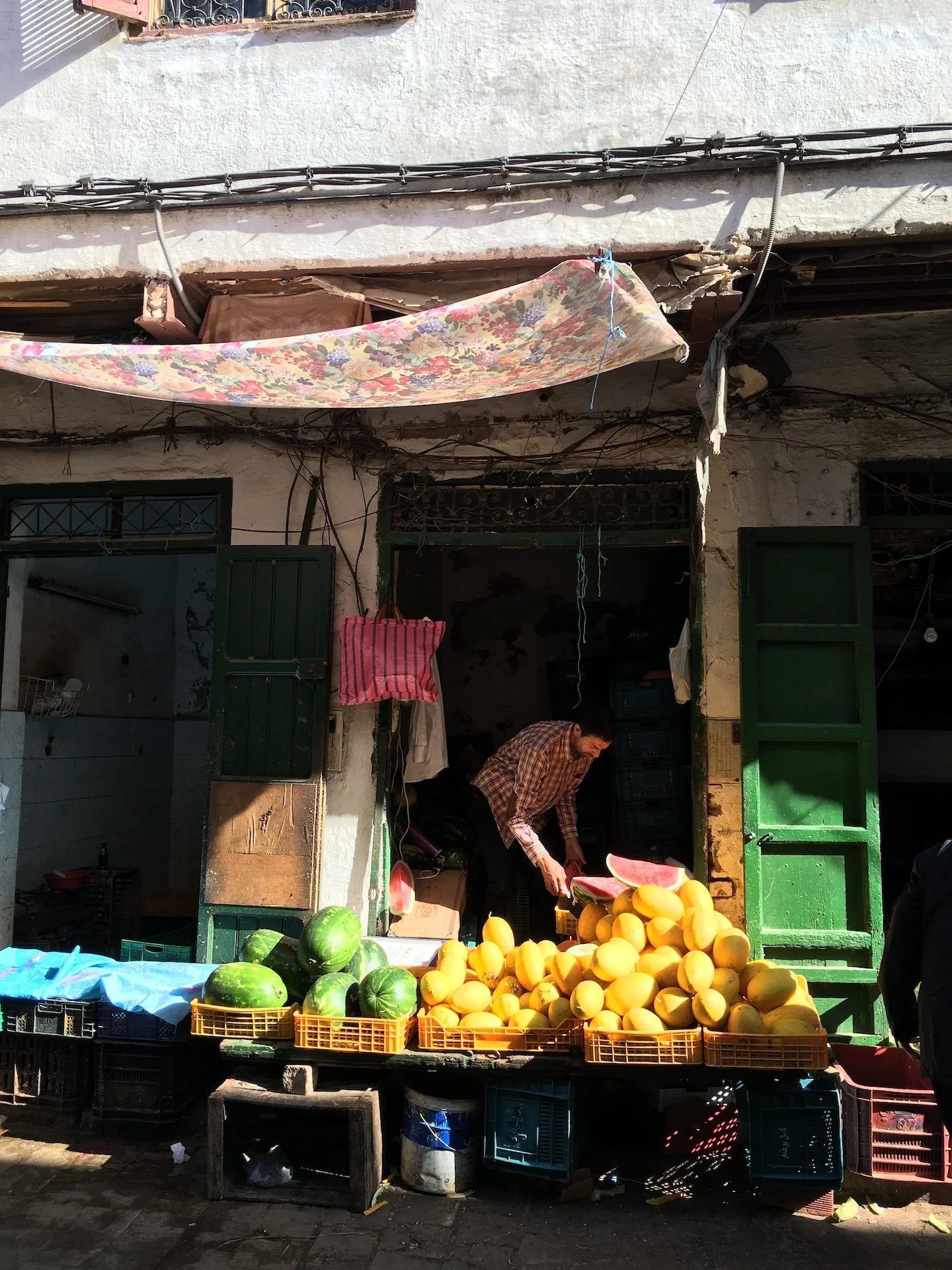
The watermelon in this photo weighs more than my carry-on.
I bought it from an Amazigh man who had no interest in my Moroccan Darija or my back story, handed me my change without looking up, and went back to arranging his crates. The whole interaction took forty-five seconds, starting with me tapping watermelons and pretending I knew what I was listening for.... That interaction told me more about where I was than anything else I did that day.
I have been walking into local markets on every trip for as long as I have been traveling. Not for the Instagrammable moment, not because someone told me to. Because a corner store is the most honest space in any city. The produce tells you what season it actually is, not the one the tourism calendar claims. The prices tell you what the local economy feels and what people in the lived space are buying. The way people shop, whether they linger or grab and go, whether they argue with the vendor or nod and move on, or whether they hug and ask about their families, tells you everything about pace of life that no guidebook has ever managed to capture.
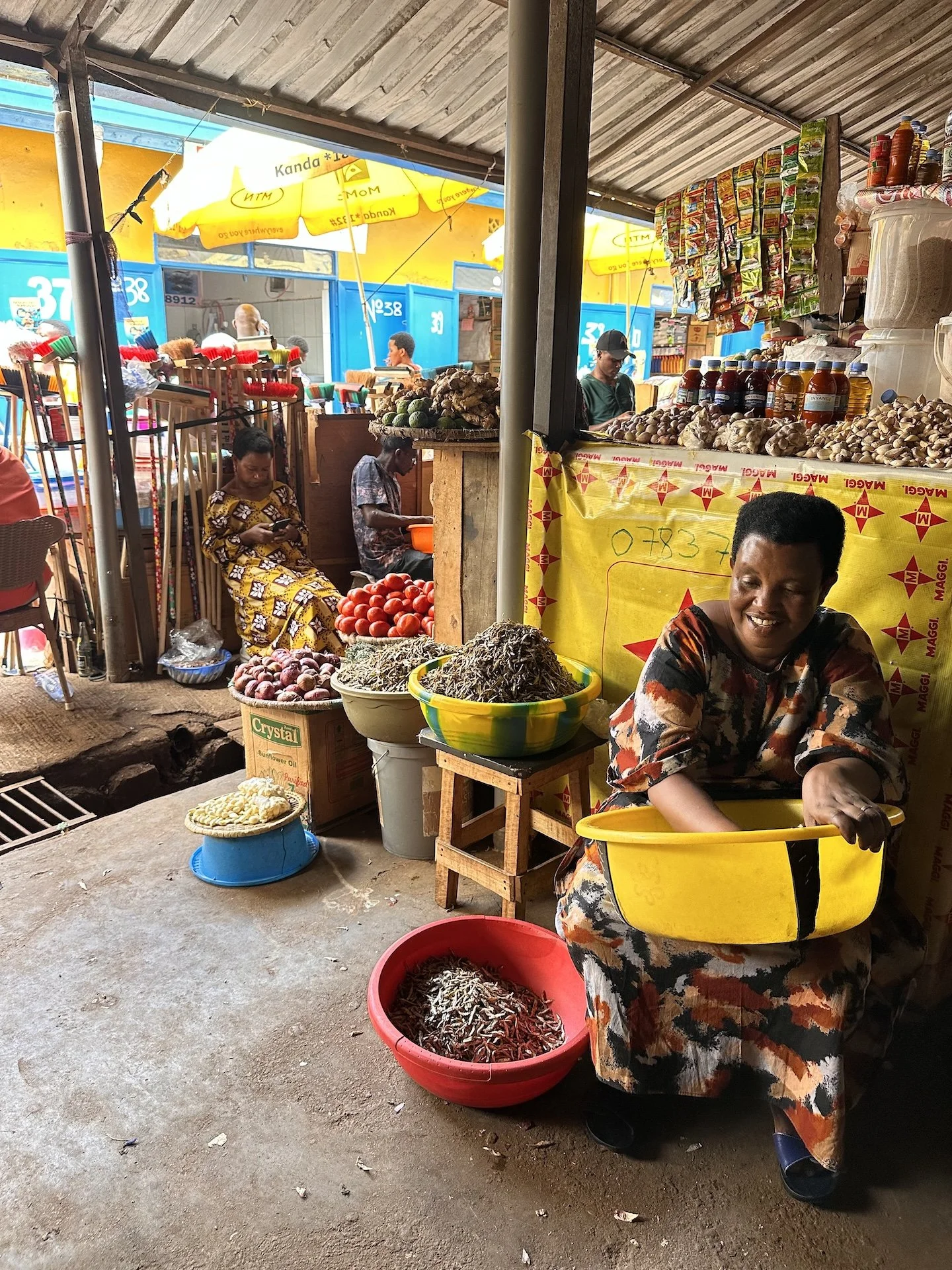
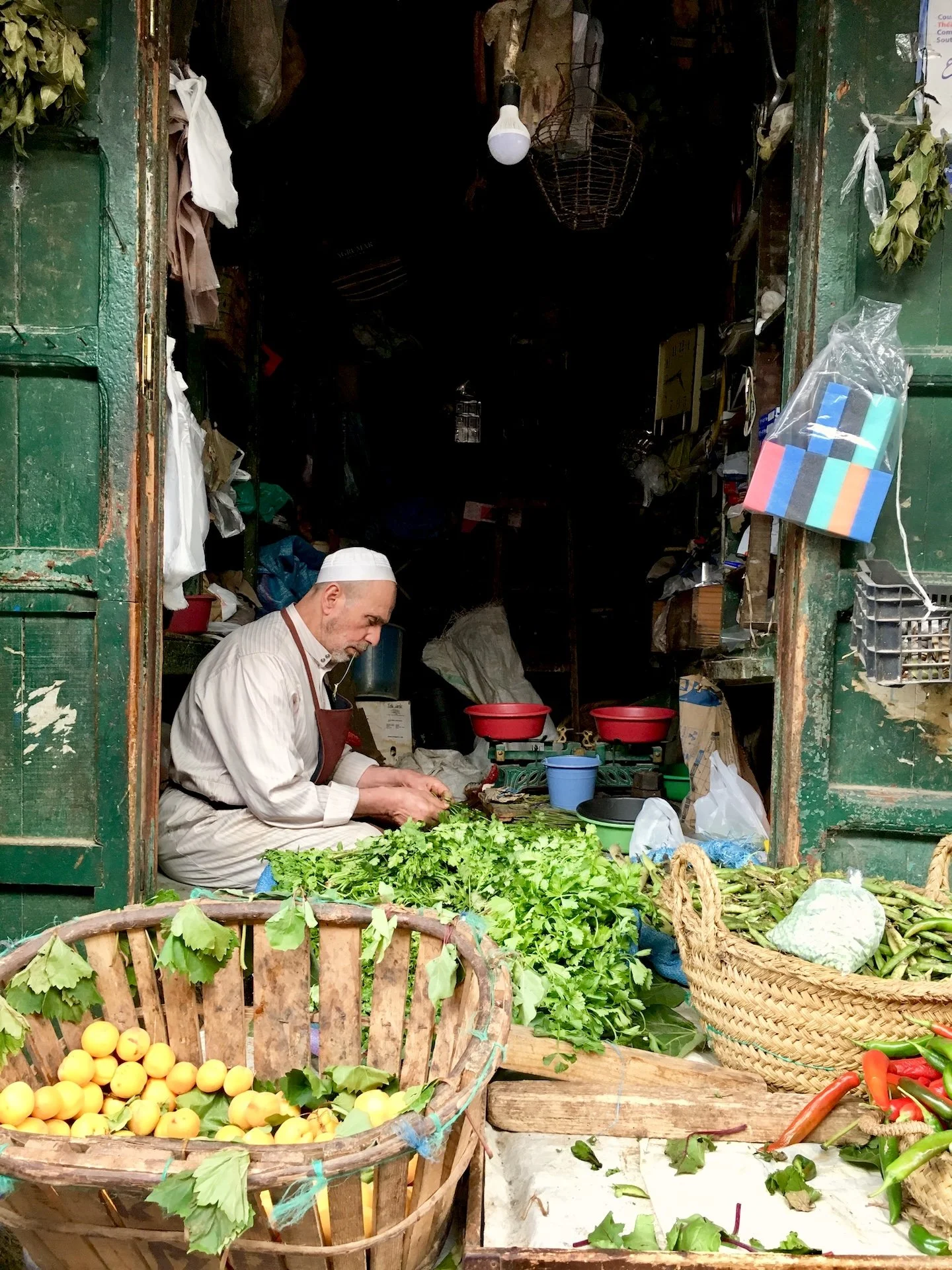
Grocery store tourism has a name now and a trend cycle to match. After years of over-tourism and influencer overload, people are craving real life. I get it. The coverage is well-intentioned. But most of it frames the local market as a budget alternative to the restaurant, a free activity, a social media moment. That framing misses the point entirely.
The market is not a consolation prize. It is primary research for those with the purest intention of learning and connecting.
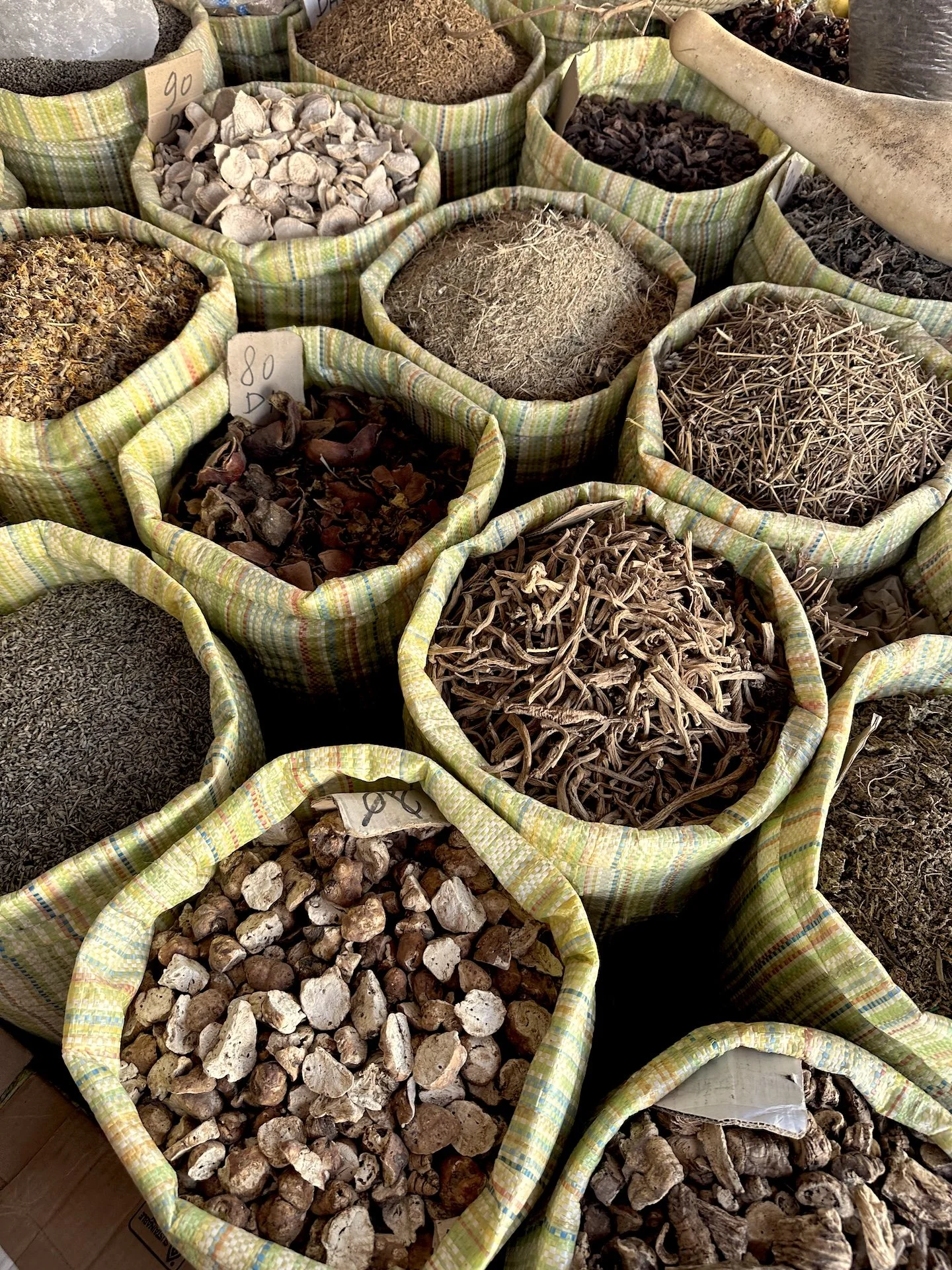
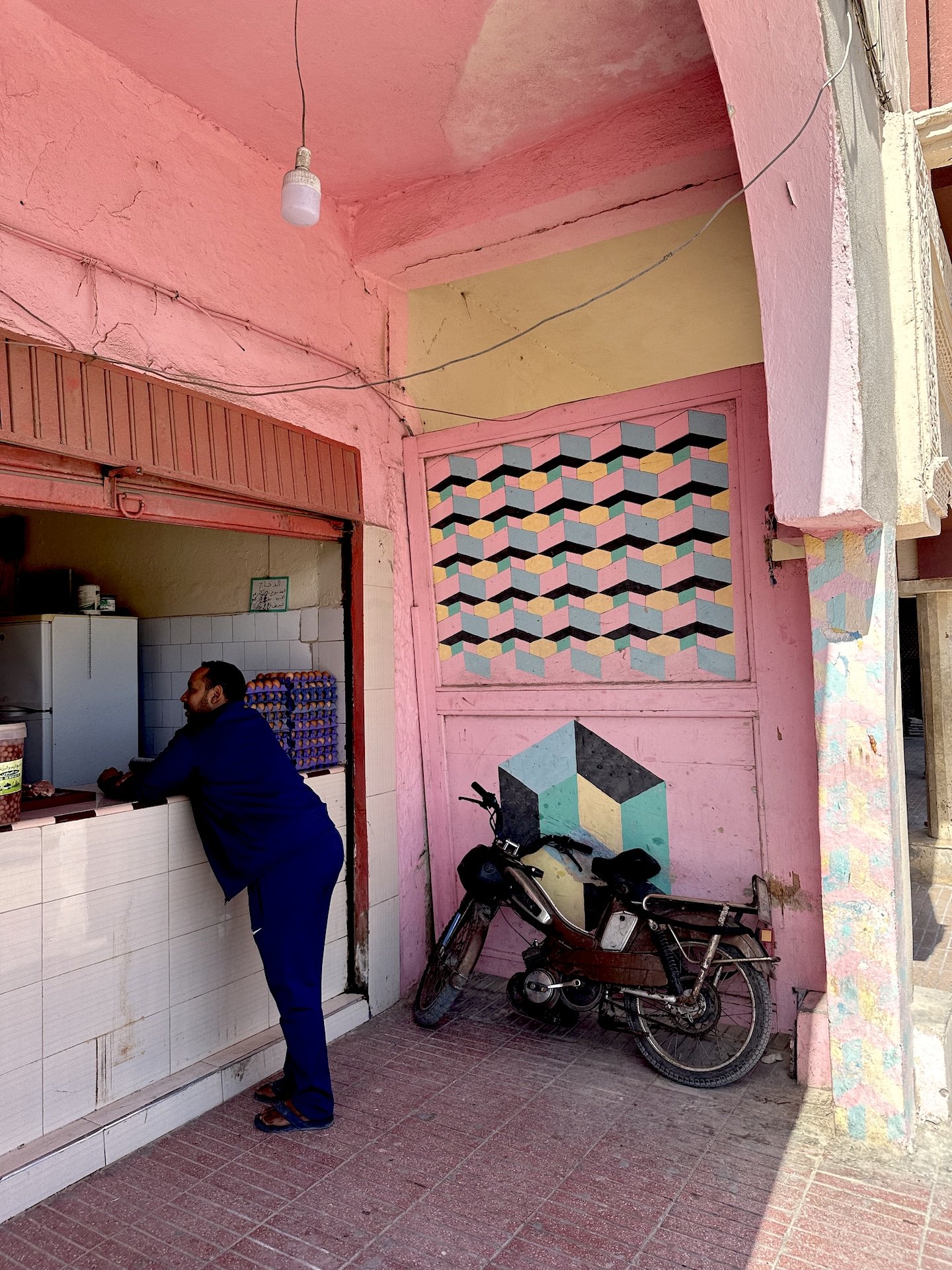
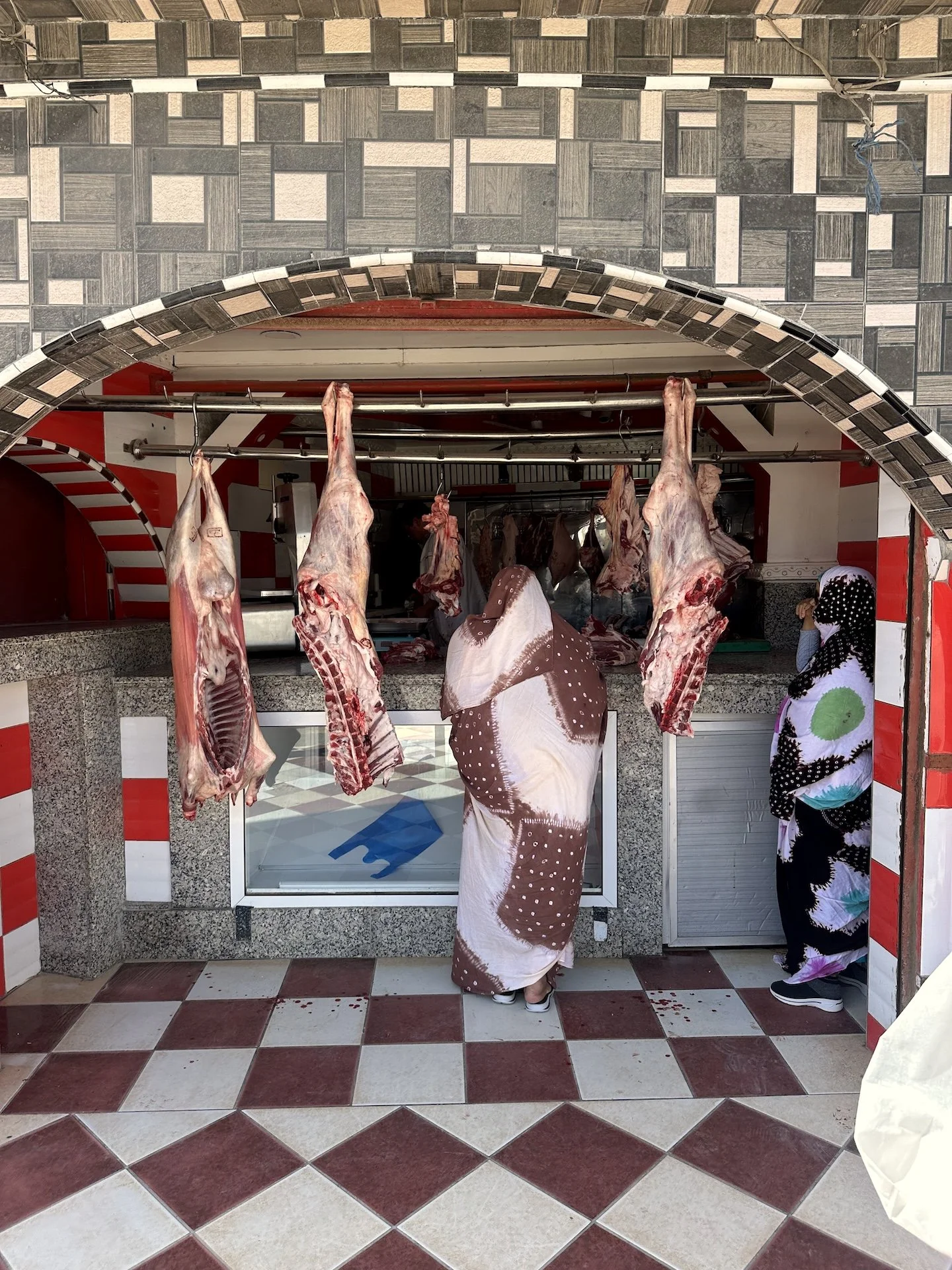
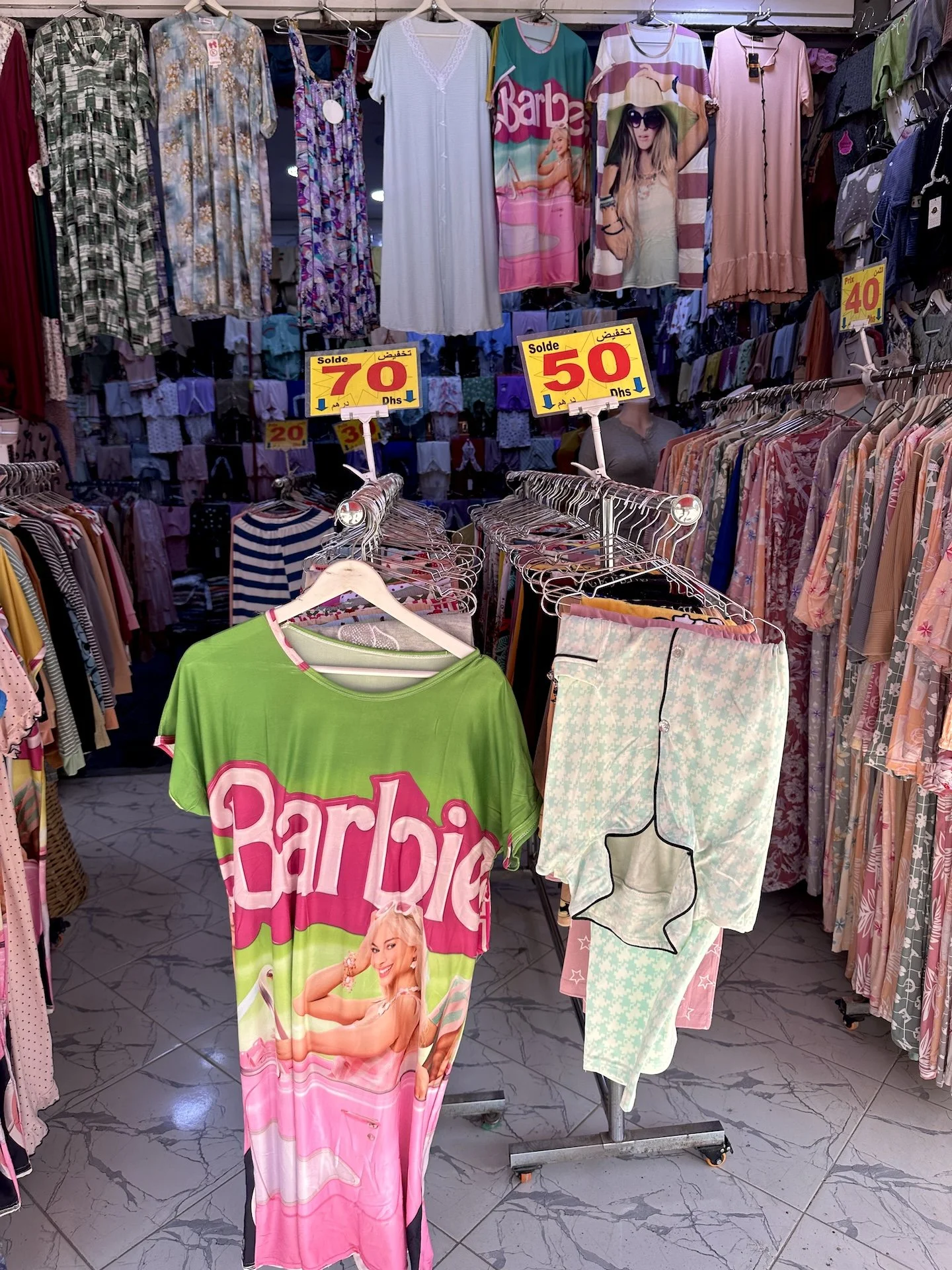
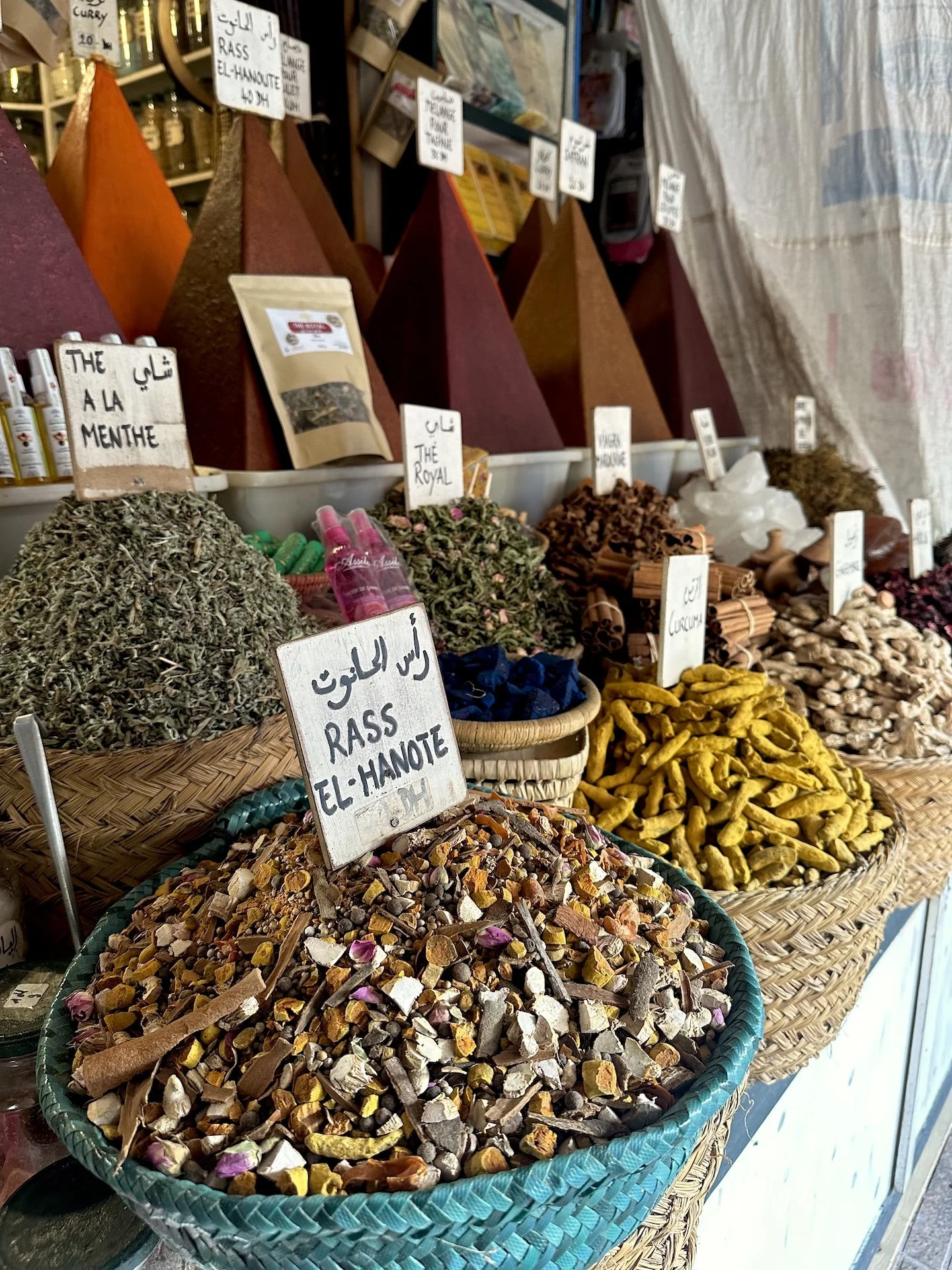
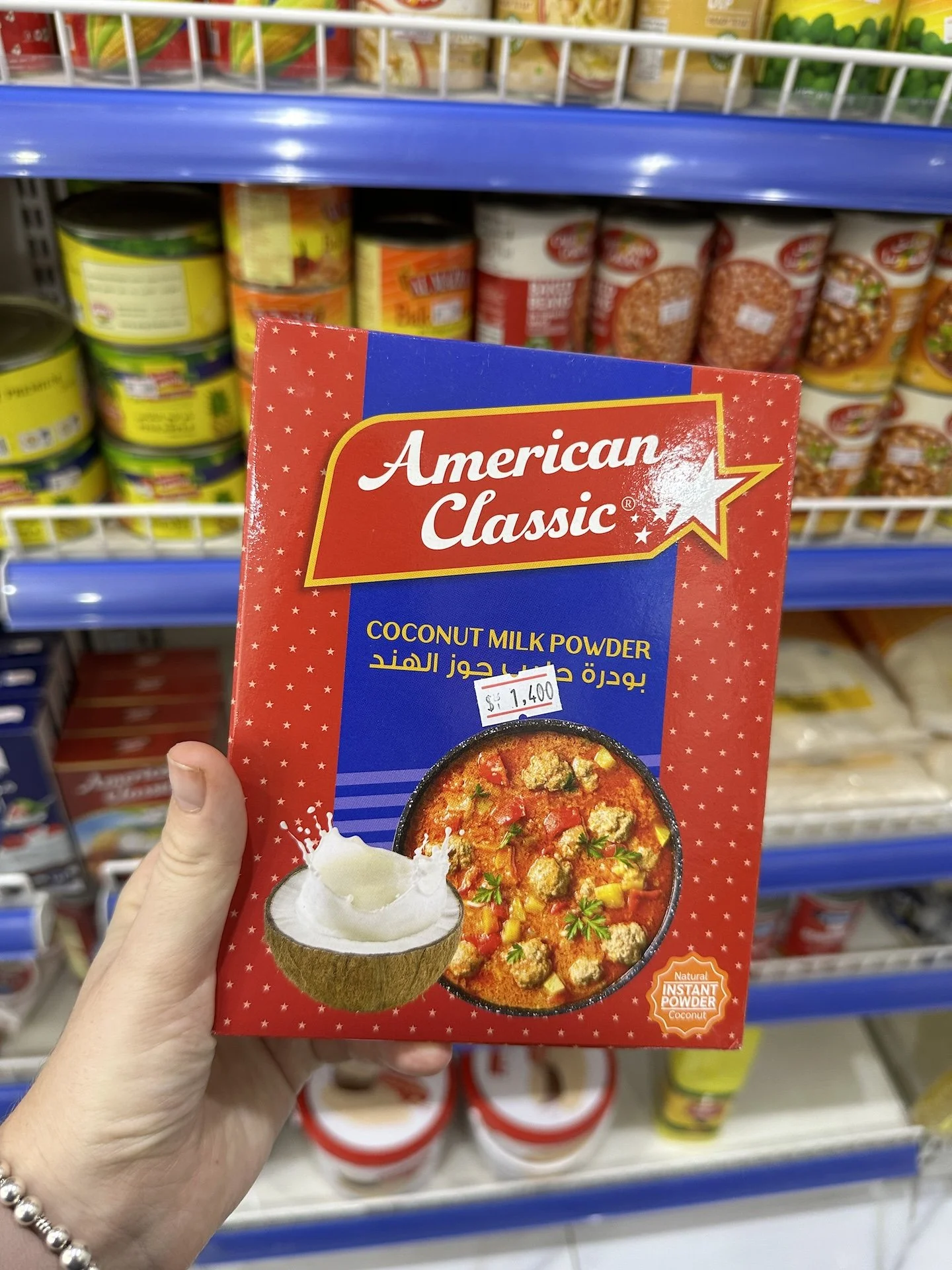
When I am designing a trip to Morocco, Japan, Oman, or anywhere else, I walk into markets the way an editor walks into a new city: paying attention to what is abundant, what is scarce, what is displayed with pride and what is tucked in the back. I look at textures, color patterns, maximalist branding design on jam jars and match boxes, crate coordination, and choice of produce lineup. If food provides a window into a place or person's culture, the grocery store is a wide-open door. You can see what gets imported versus what is grown locally, what costs a premium and what is considered ordinary. That information shapes how I build an itinerary. It shapes what I tell my clients to expect, and more importantly, what I tell them to stop expecting. Seriously, these corner shops are way, way more than a trend for me.
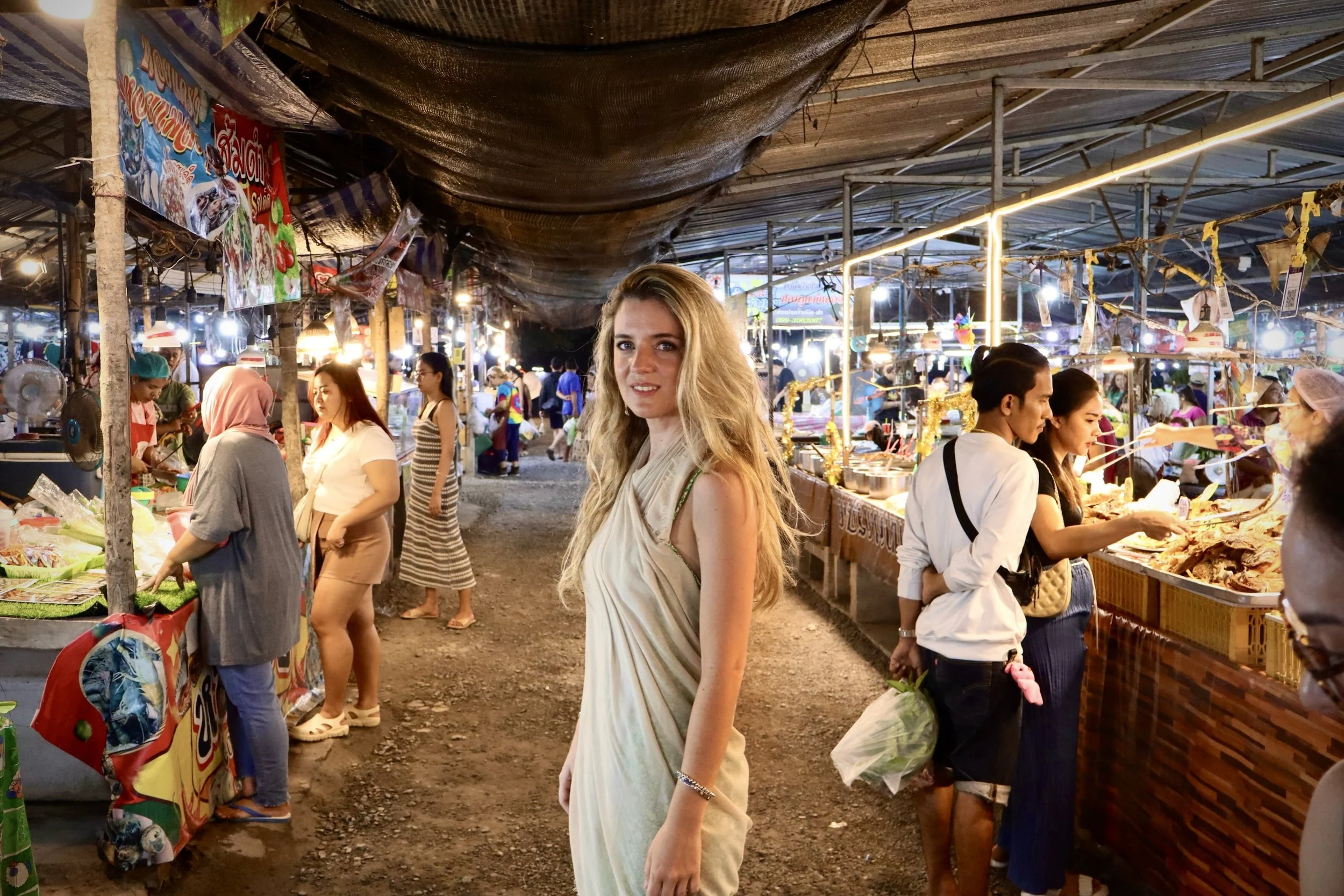
A night market in Phuket, Thailand
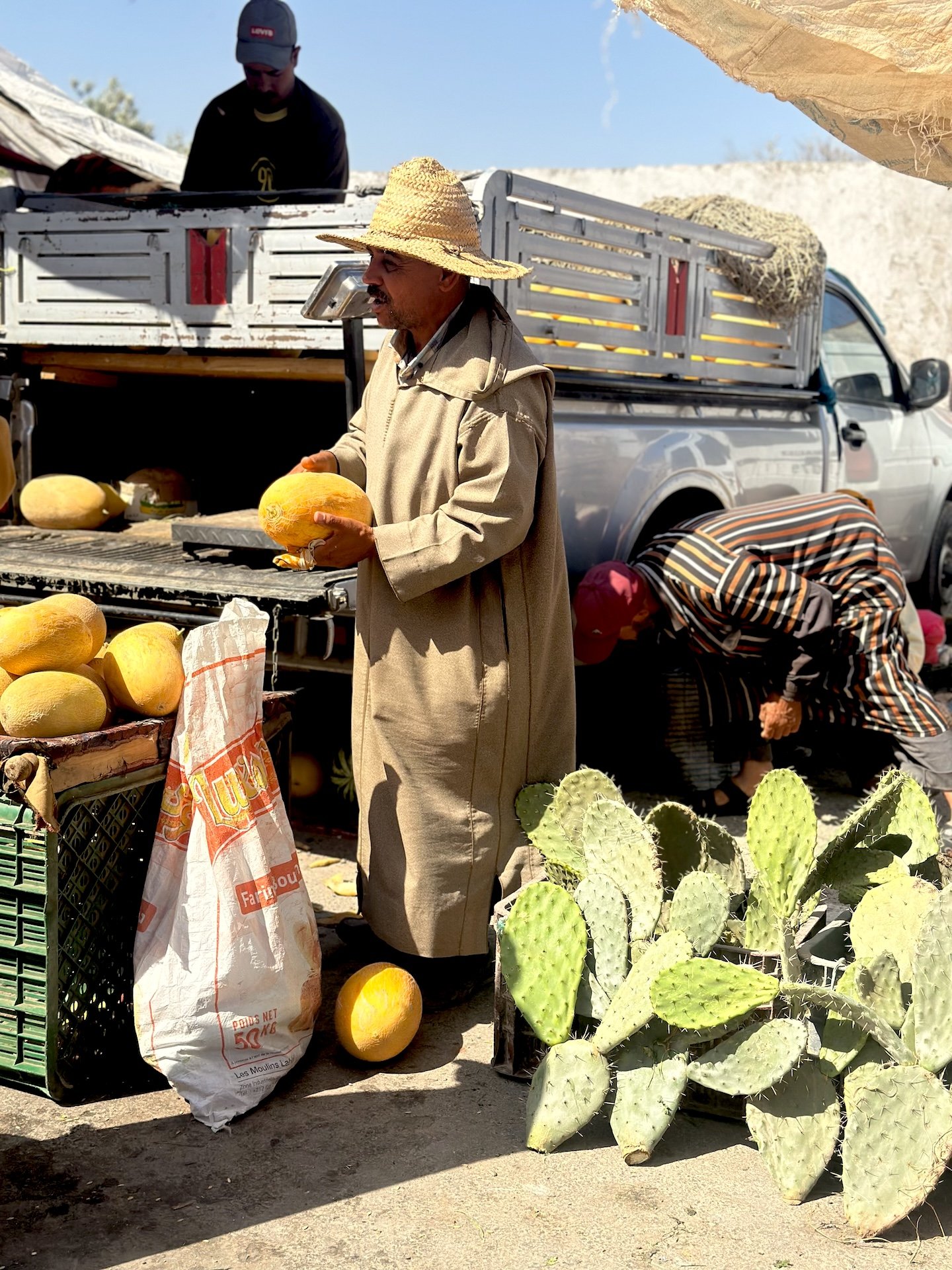
This is not only about foodies seeking culinary experiences. It is about embracing local traditions through food: finding artisanal olive oil in Italy, hand-painted spice jars in Morocco. But even that framing is a little precious. The Moroccan vendor holding out a watermelon is not thinking about my travel experience. He is working. That is exactly why it matters. It’s a real interaction that feeds the soul of a journey.
Luxury travel is moving toward a specific kind of intelligence. Culinary discovery and storytelling are becoming central pillars of the journey, transforming local heritage into essential components of the travel experience. What I see in practice, and what I have been telling clients for years, is simpler: the travelers who come home changed are the ones who got uncomfortable on purpose. Not dangerous uncomfortable. Unscripted uncomfortable. The kind where you have to point at something and hope for the best.
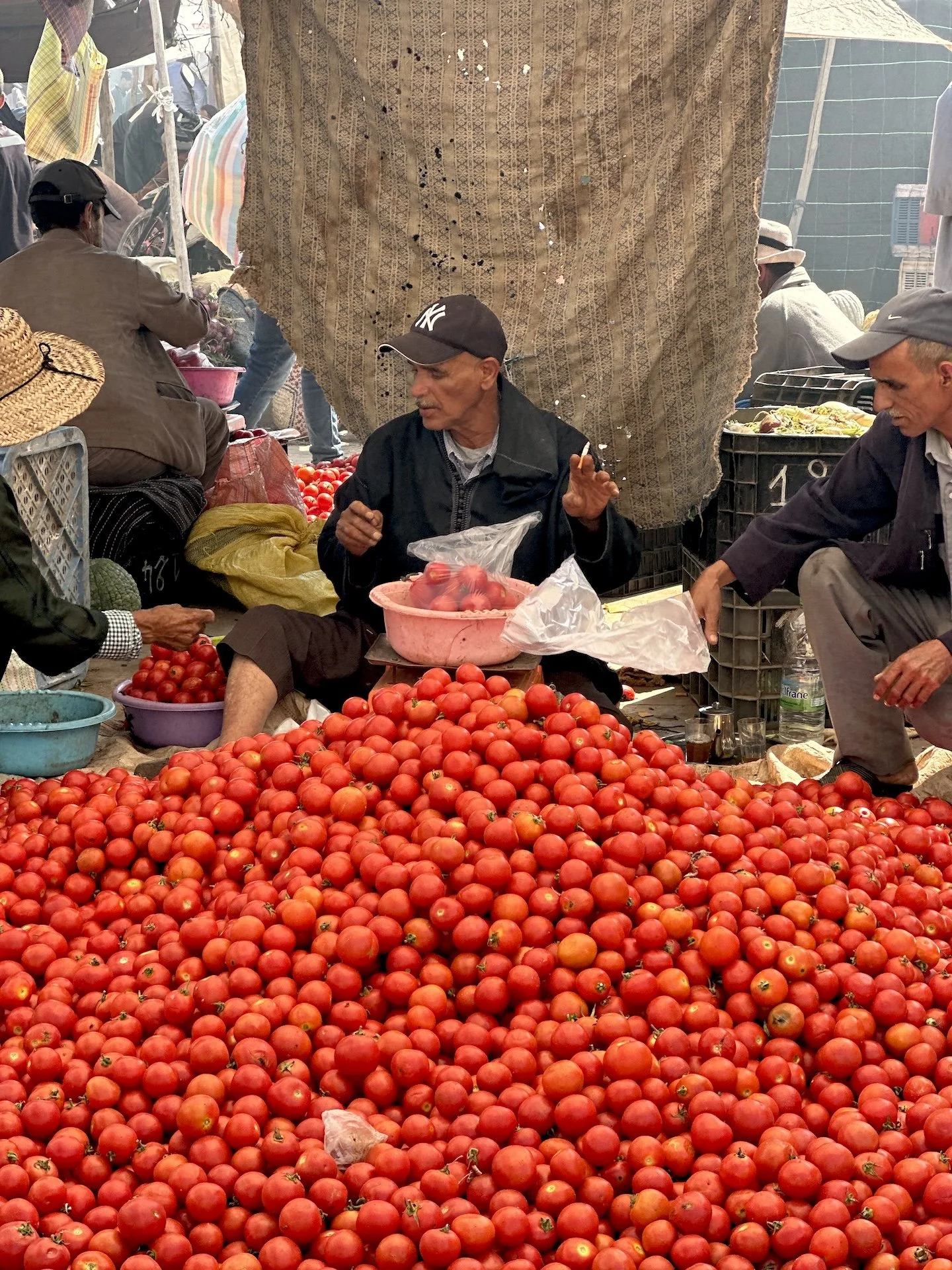
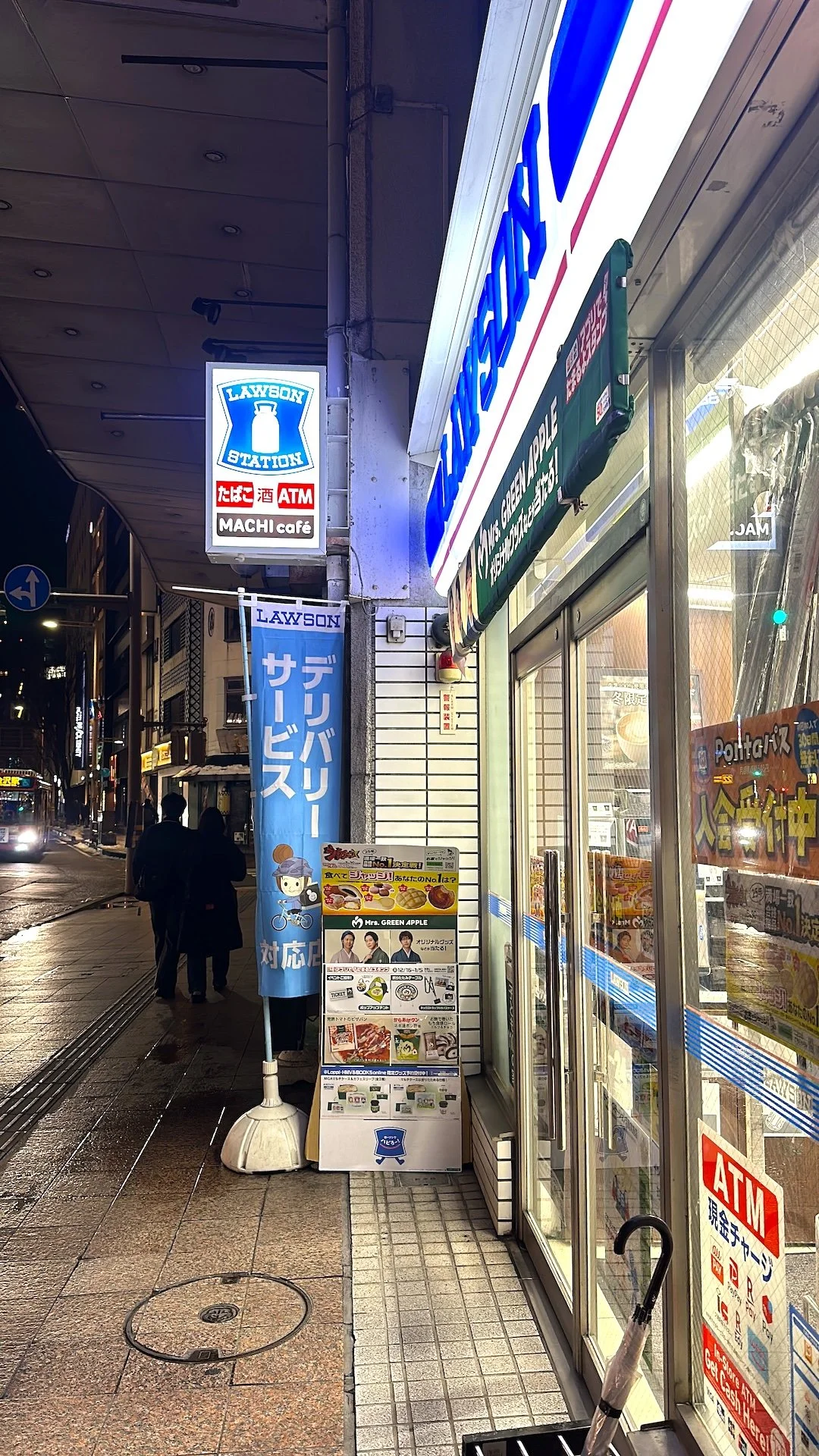
The hotel concierge will send you somewhere safe. The market will send you somewhere true.
My clients who are most loyal, who call me back year after year, are not the ones who wanted the smoothest trip. They are the ones who wanted the most accurate one. A trip where they understood, even briefly, how a place actually functions. A morning at a local market contributes to that understanding in a way that three days at a five-star property simply cannot.
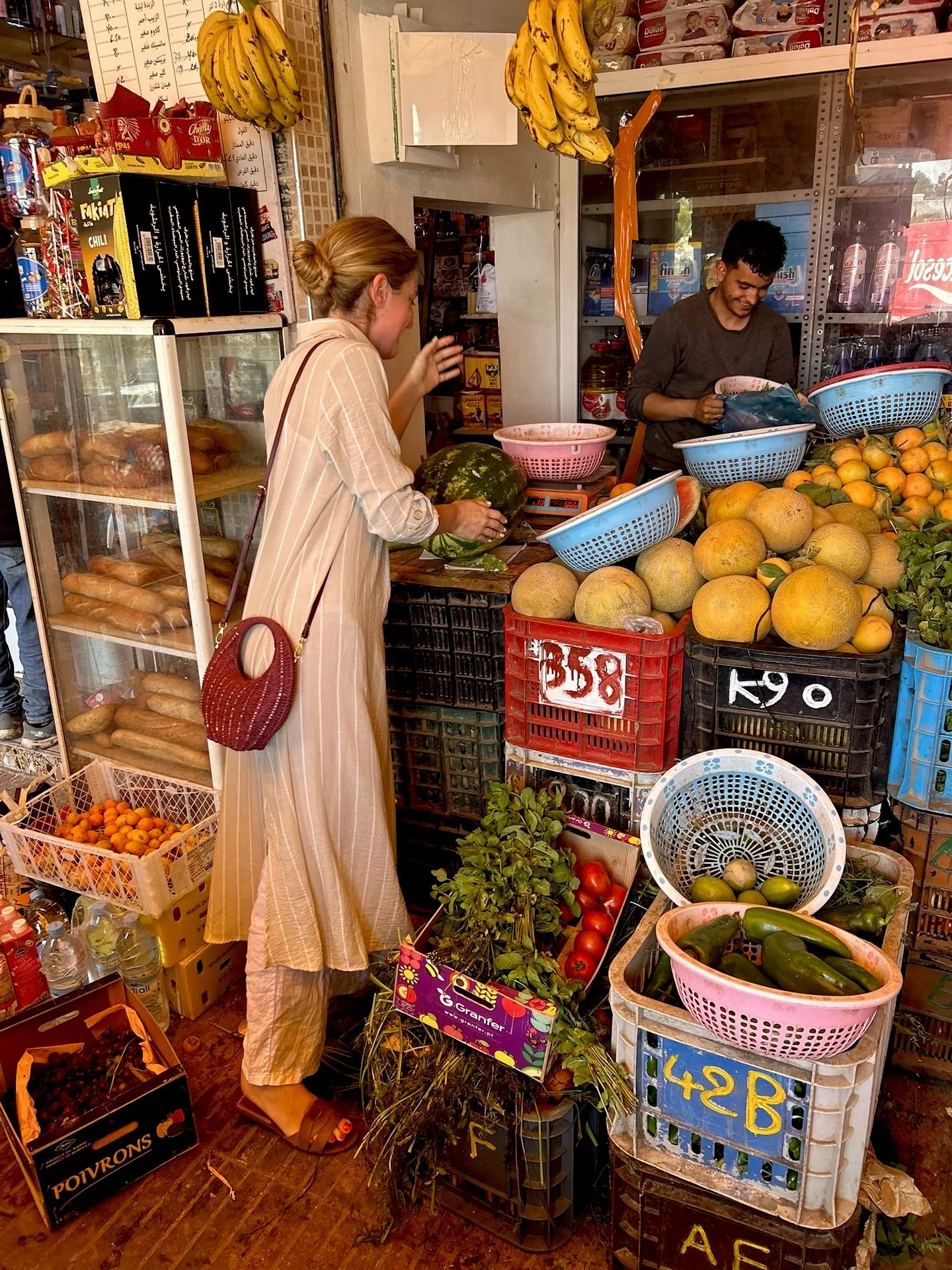
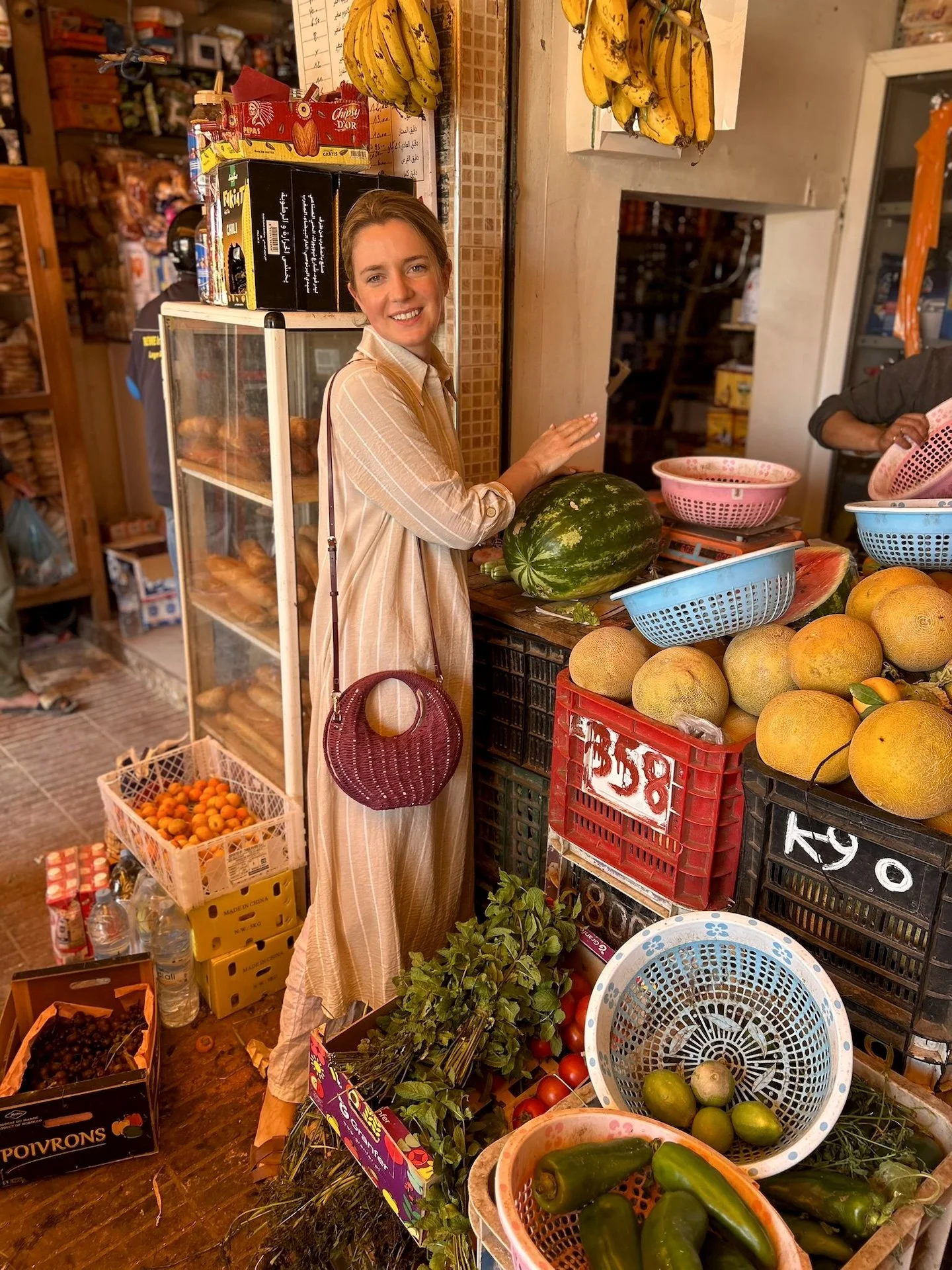
This photo was taken in Morocco. The man behind me did not pose. I did not ask him to. I bought the watermelon because I wanted it, and because standing in that room, holding something grown from that soil, felt like the most direct line possible between me and where I was standing.
That is what I am always trying to build for my travelers. Not an itinerary. A direct line.
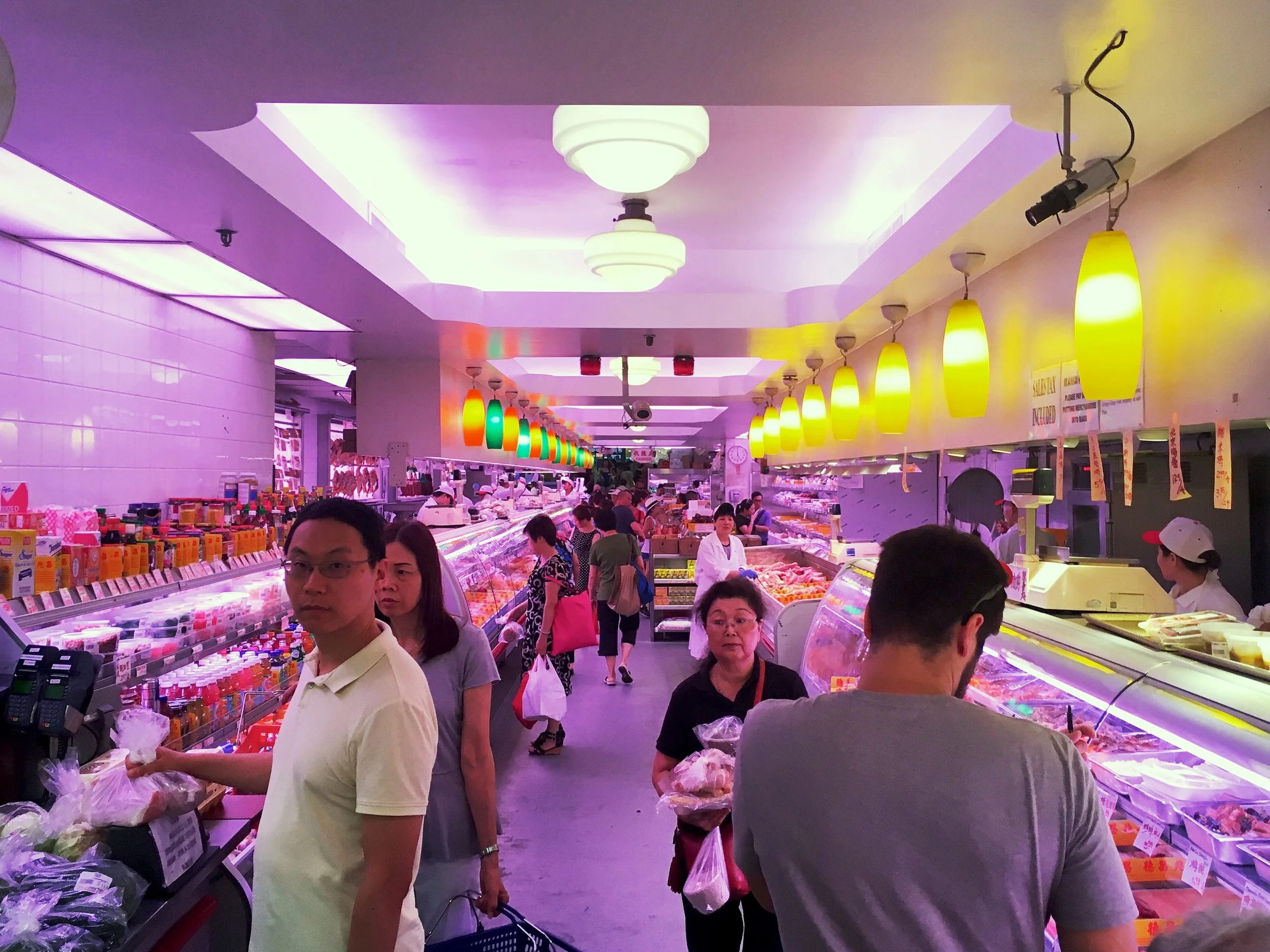
A grocery store in Chinatown, New York City.
Travel designed around how a place actually lives, not how it performs for visitors.