The World’s Most Beautiful Places
Every January, the internet produces its list of the world's “most beautiful” places. I read them the way I read horoscopes, with one eyebrow raised. Beauty is not a competition and it certainly isn't consensus. And yet. Here is my edit, built from years of designing journeys to places that have genuinely stopped me in my tracks. Take it as one well-traveled opinion, nothing more. If they move you, it’s because they are authentically and objectively beautiful.
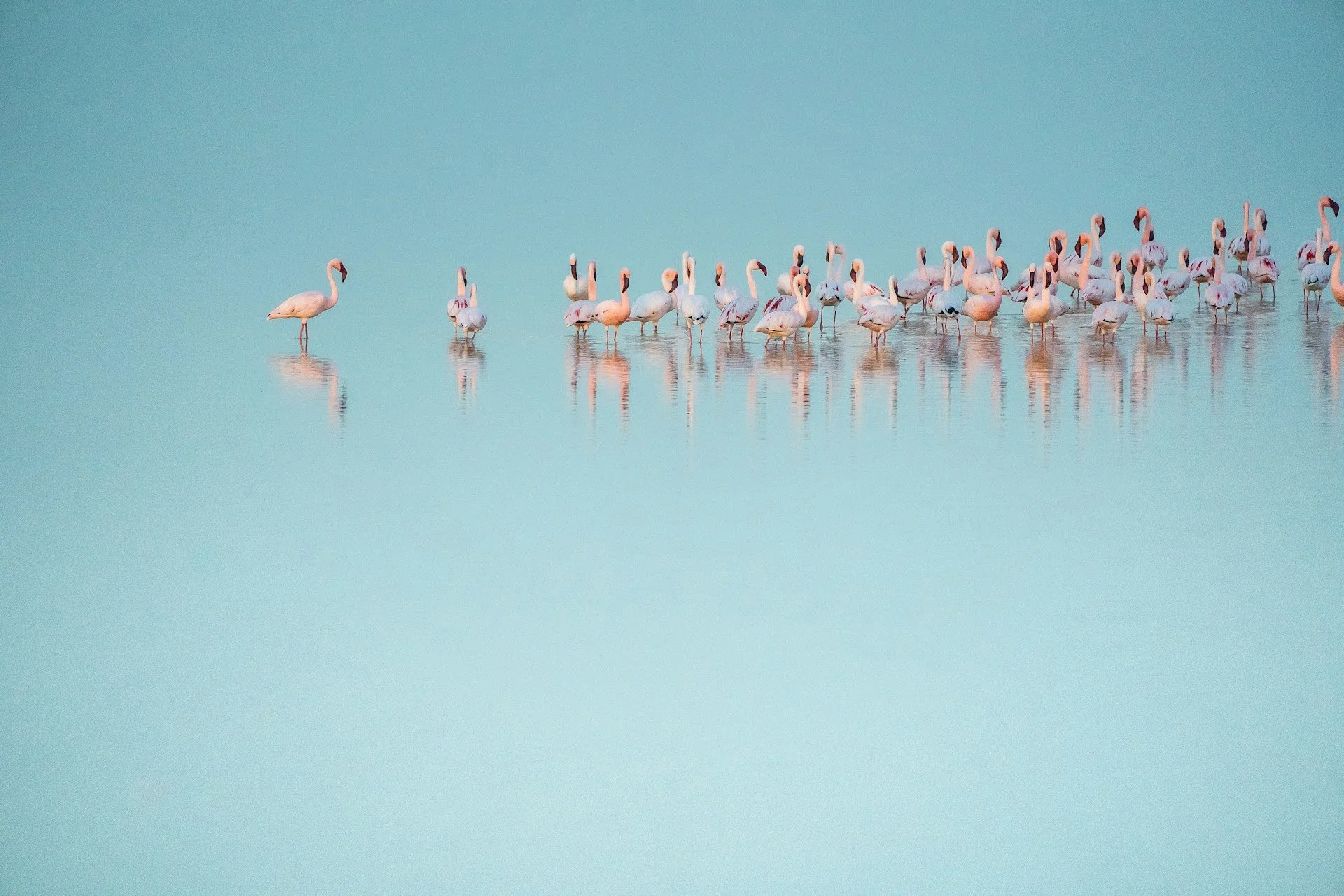
The Azores, Portugal
There are places that look better in photographs and places that photographs simply fail. The Azores belong to the second category. The hydrangeas lining the roads of São Miguel aren't blue the way a filter makes things blue — they are blue the way the Atlantic sky after a storm is blue, almost bruised. The island chain sits in the middle of nowhere, which is exactly the point. It moves at a different pace than the rest of Europe. It hasn't been packaged yet.
How to get there: Direct flights from Lisbon to Ponta Delgada take about two hours. SATA/Azores Airlines and TAP both serve the route. From North America, Boston and Toronto have direct seasonal connections.
Where to stay: Furnas Boutique Hotel has thermal pools fed by volcanic springs, a spa built around the geothermal landscape, and a sense of place that larger hotels on the mainland will never replicate.
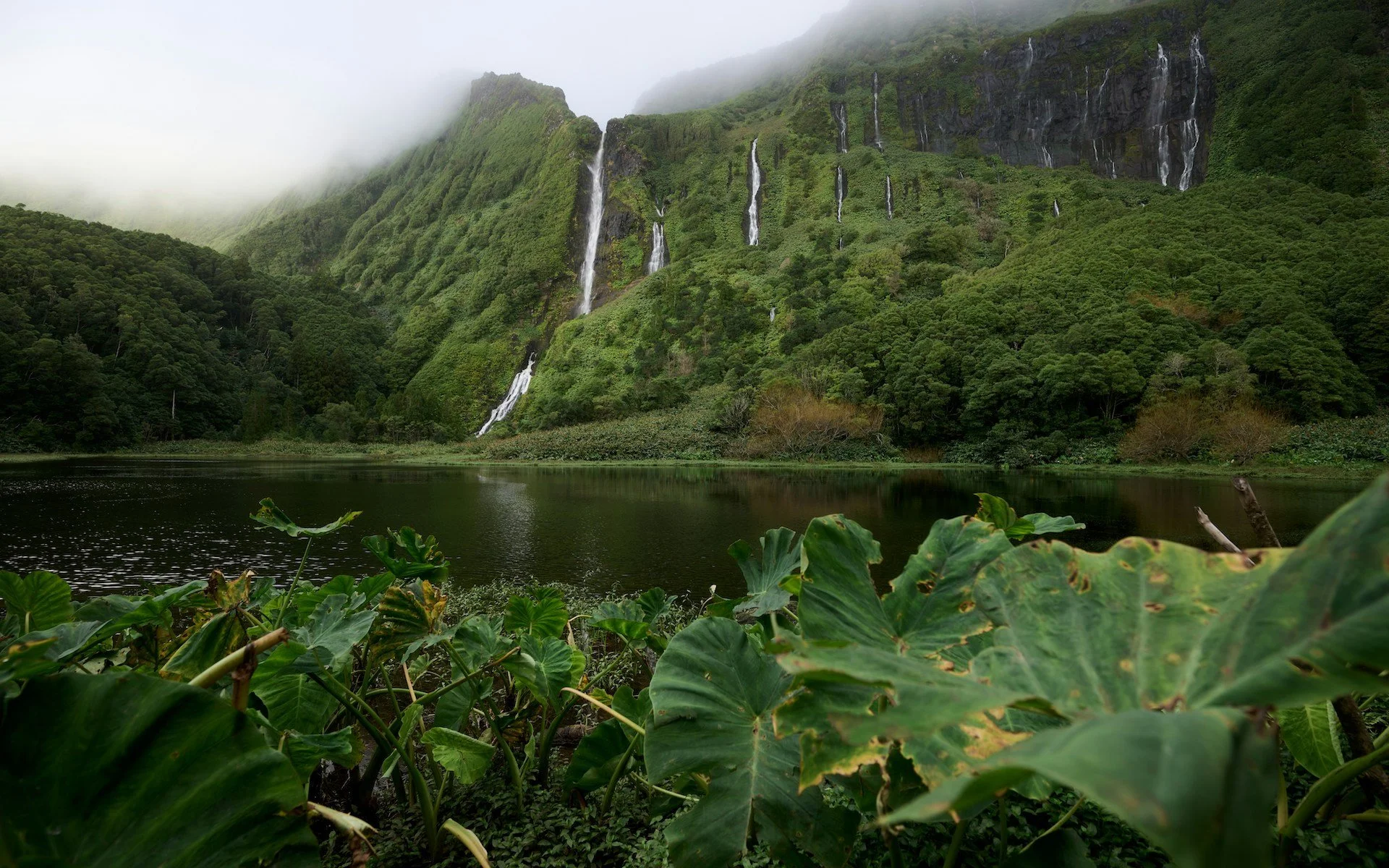
Iceland: Reynisfjara
Reynisfjara is twenty minutes from Vík and feels like the edge of everything. The basalt columns are one of those geological formations that look designed, too perfect, too rhythmic to be accidental. The black sand beach is not for swimming (the sneaker waves will kill you, this is not a metaphor), but for standing on and staring out and reconsidering the scale of things.
How to get there: Fly into Reykjavík Keflavík. Icelandair and many European carriers serve it well. Reynisfjara is on the Ring Road, a 3-hour drive southeast along Route 1. A car is essential; no tour bus will give you the beach to yourself.
Where to stay: Hótel Rangá is a remote lodge in the south with exceptional aurora viewing, a resident telescope, and an atmosphere that makes you feel like you're somewhere genuinely wild.

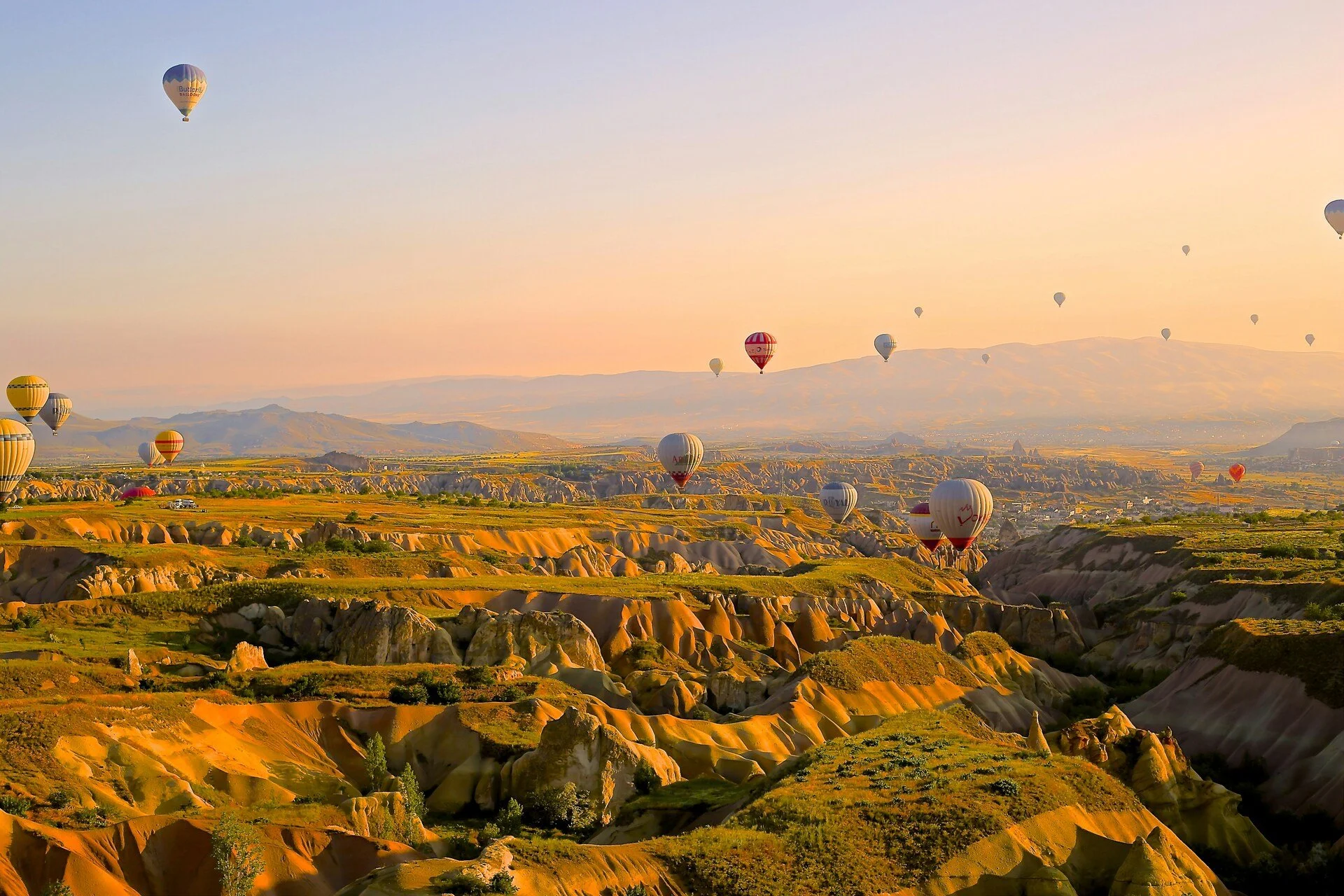
Cappadocia, Turkey
I want to be honest about something: the hot air balloon photos have made Cappadocia look like a screensaver. In person, it's stranger and better than that. The fairy chimneys at dawn, before the balloons launch and the tour groups arrive, have an eerie quality that no postcard captures. The landscape here was carved by volcanic eruption and wind erosion over millions of years, and the people who came after carved their entire civilization into what was left.
How to get there: Fly into Kayseri (ASR) or Nevşehir (NAV) — both have connections from Istanbul in under 90 minutes. Kayseri is marginally better connected. Book your airport transfer in advance; the region's taxis are opportunistic.
Where to stay: Argos in Cappadocia is a Relais & Châteaux property cut directly into the tufa cliffs of Uçhisar. The wine cave alone is reason enough to stay two nights.
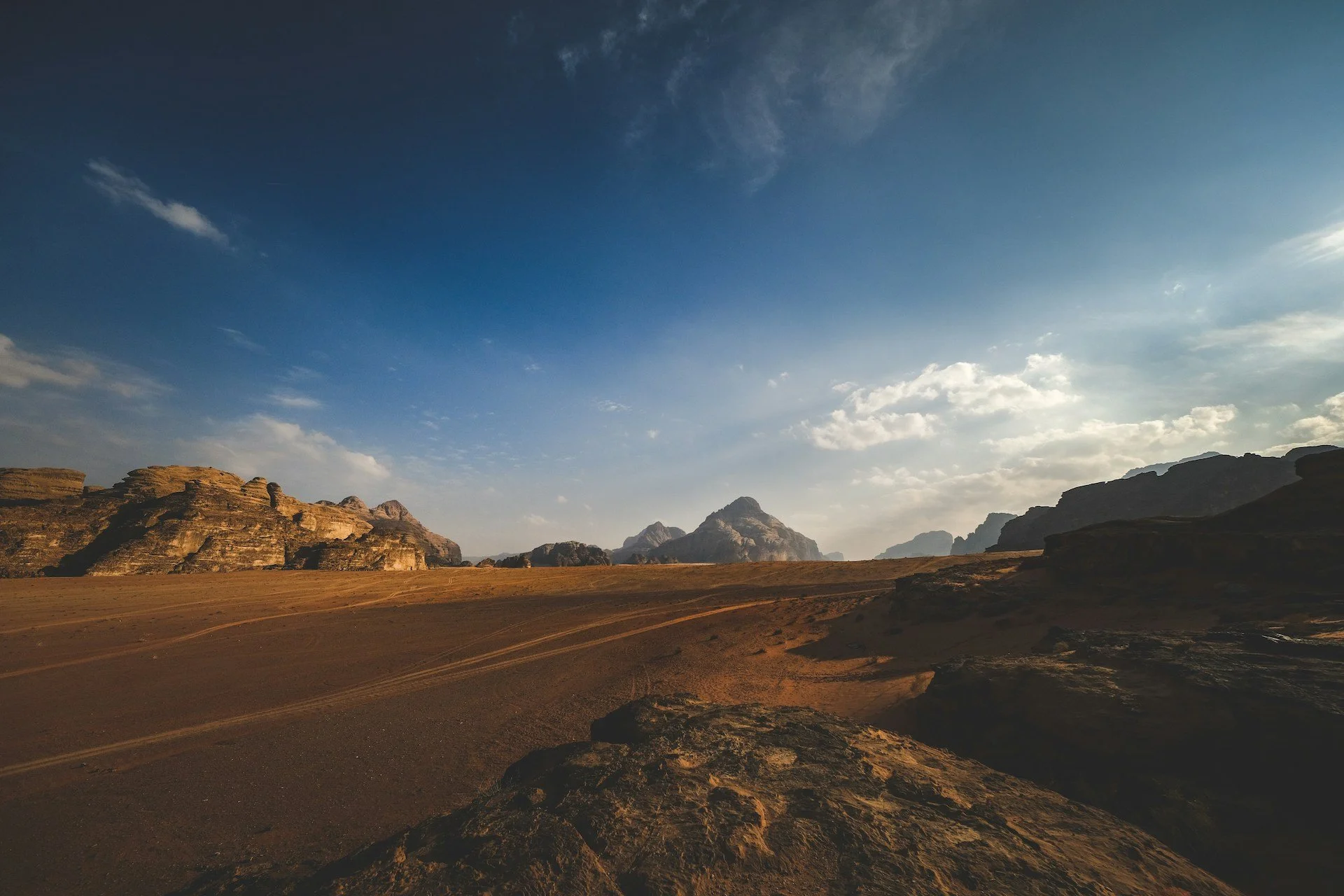
Wadi Rum, Jordan
Wadi Rum doesn't just look like Mars — it's been used as Mars on screen more than once, which tells you something about how far outside ordinary landscape it sits. The red desert, the sandstone arches, the silence at night when you realize you are genuinely far from anything electric — these are not experiences you can replicate closer to home. Sleep here. Don't just day-trip from Aqaba.
How to get there: Fly into Amman, then either take the 4-hour road south or fly to Aqaba and drive 60 km north. The Desert Highway is straight and fast. Cross into Jordan from Israel via the Wadi Araba crossing if you're combining countries.
Where to stay: Wadi Rum Night Luxury Camp is glamping at a level where the word "glamping" no longer applies. Transparent bubble tents facing open desert, no light pollution, no noise. One of the most memorable nights I've recommended to clients.
Machu Picchu, Peru
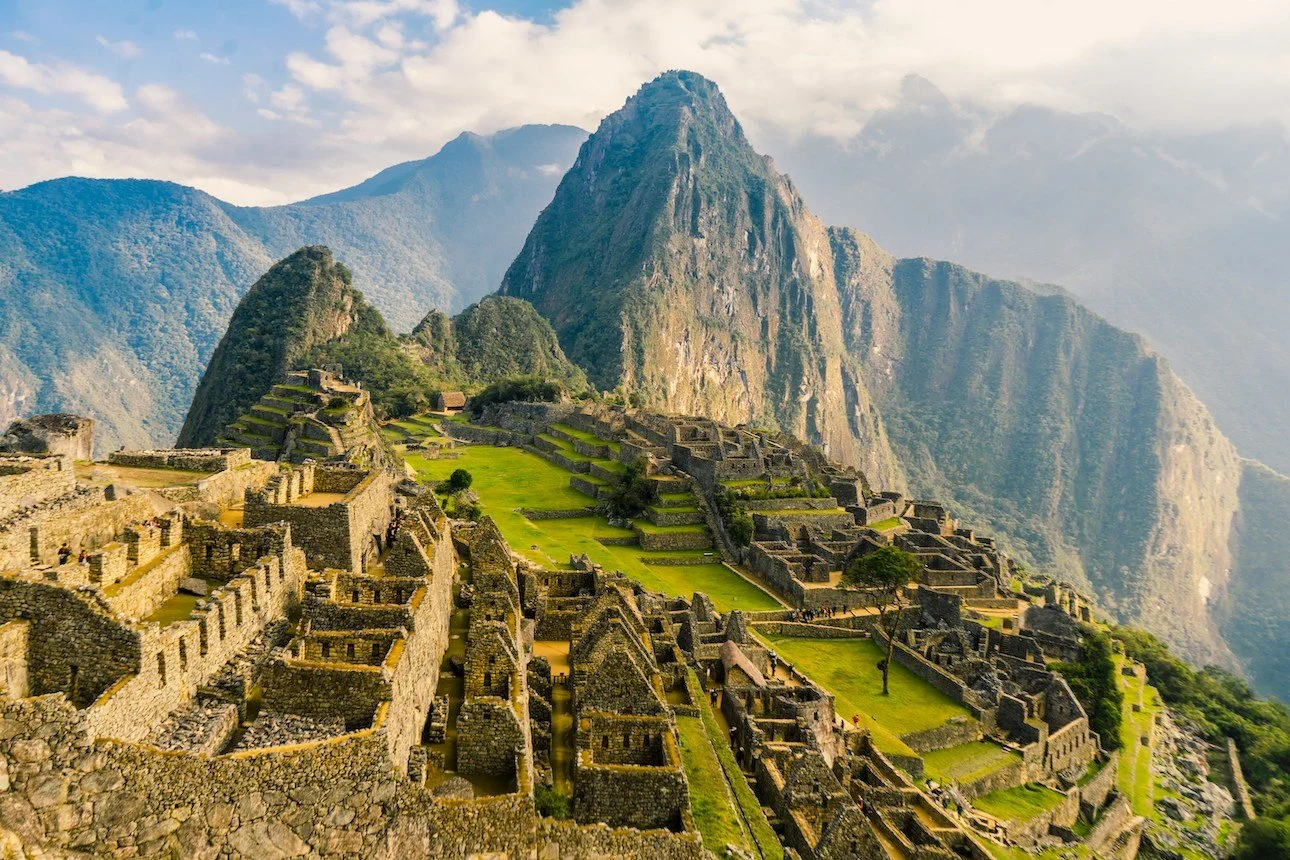
What's left to say about Machu Picchu that hasn't already been said in twelve languages? Only this: the setting is not incidental to the ruins, it is the ruins. The way the terraces negotiate the mountain, the way the site disappears into cloud — the Incas built with their landscape rather than against it, and that relationship is the thing worth going for. Don't take the bus from Aguas Calientes. Walk the Sun Gate trail down instead. The approach matters.
How to get there: Fly into Lima, then connect to Cusco (1 hour). From Cusco, the train to Aguas Calientes with Inca Rail or Peru Rail takes roughly 3–4 hours. The site requires timed entry tickets booked well in advance — often months ahead during high season.
Where to stay: Inkaterra Machu Picchu Pueblo Hotel, not the one that overlooks the ruins (that's a different property) but the one in the cloud forest of Aguas Calientes, with its own orchid garden and private trails. The intimacy of it earns its price.
The Serengeti, Tanzania
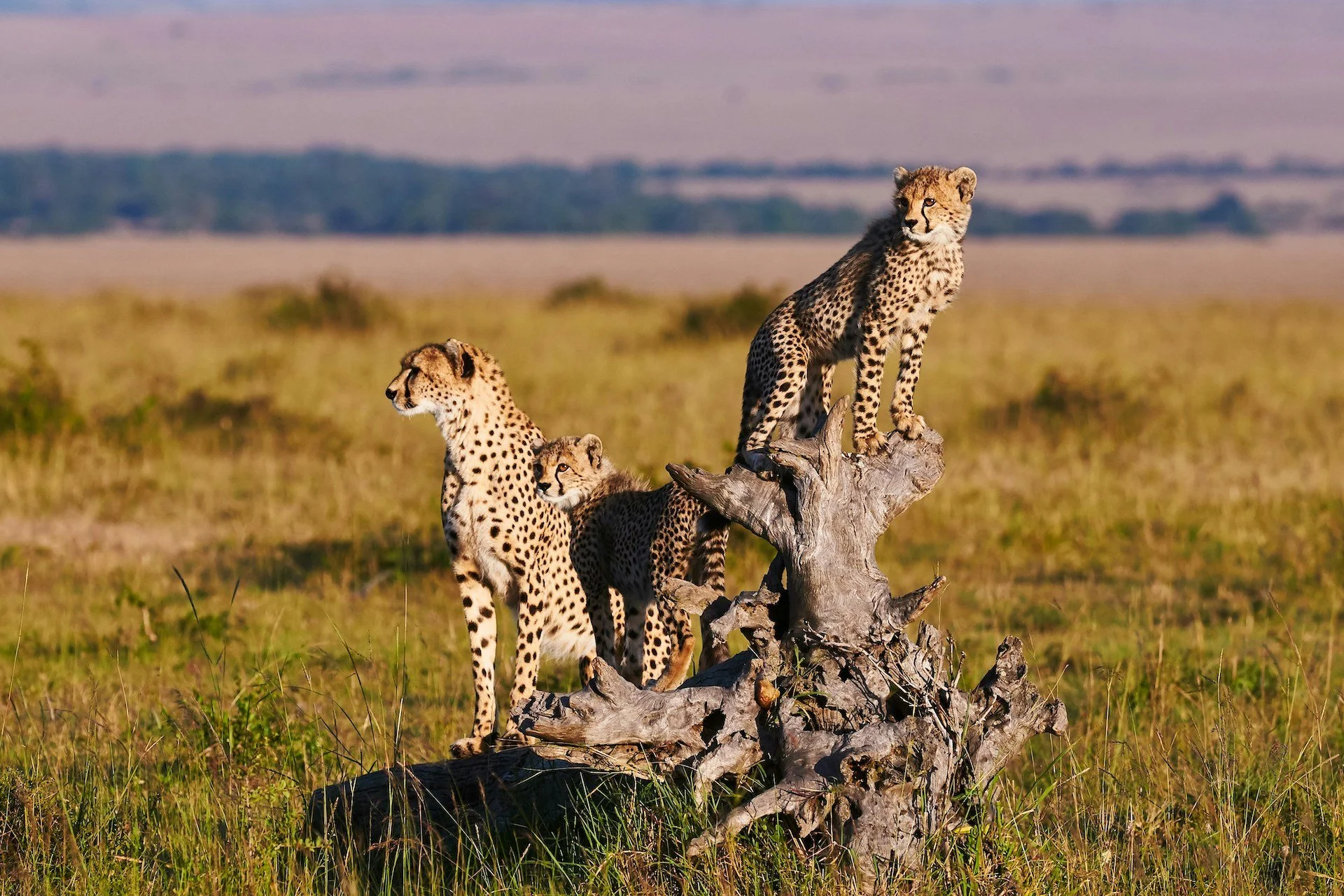
The Great Migration is not a single event, it's a yearlong cycle of movement, and the river crossings you've seen in documentaries happen between July and October, when the herds reach the Mara River and decide whether or not to swim. The crocodiles decide for them. Come in January through March if you want calving season instead: the southern Serengeti with thousands of wildebeest giving birth simultaneously, and the predators that know exactly where they'll be.
How to get there: Fly into Kilimanjaro International (JRO) or Julius Nyerere International in Dar es Salaam, then connect via Coastal Aviation or Air Excel on small-prop flights directly into bush airstrips. The airstrip flight is part of the experience.
Where to stay: Singita Sasakwa Lodge is a Relais & Châteaux, Grumeti Reserves, a private conservancy adjoining the Serengeti. The house is modeled on an Edwardian manor dropped into the savanna, which sounds absurd and is instead magnificent.
Arctic Cirlce, Norway
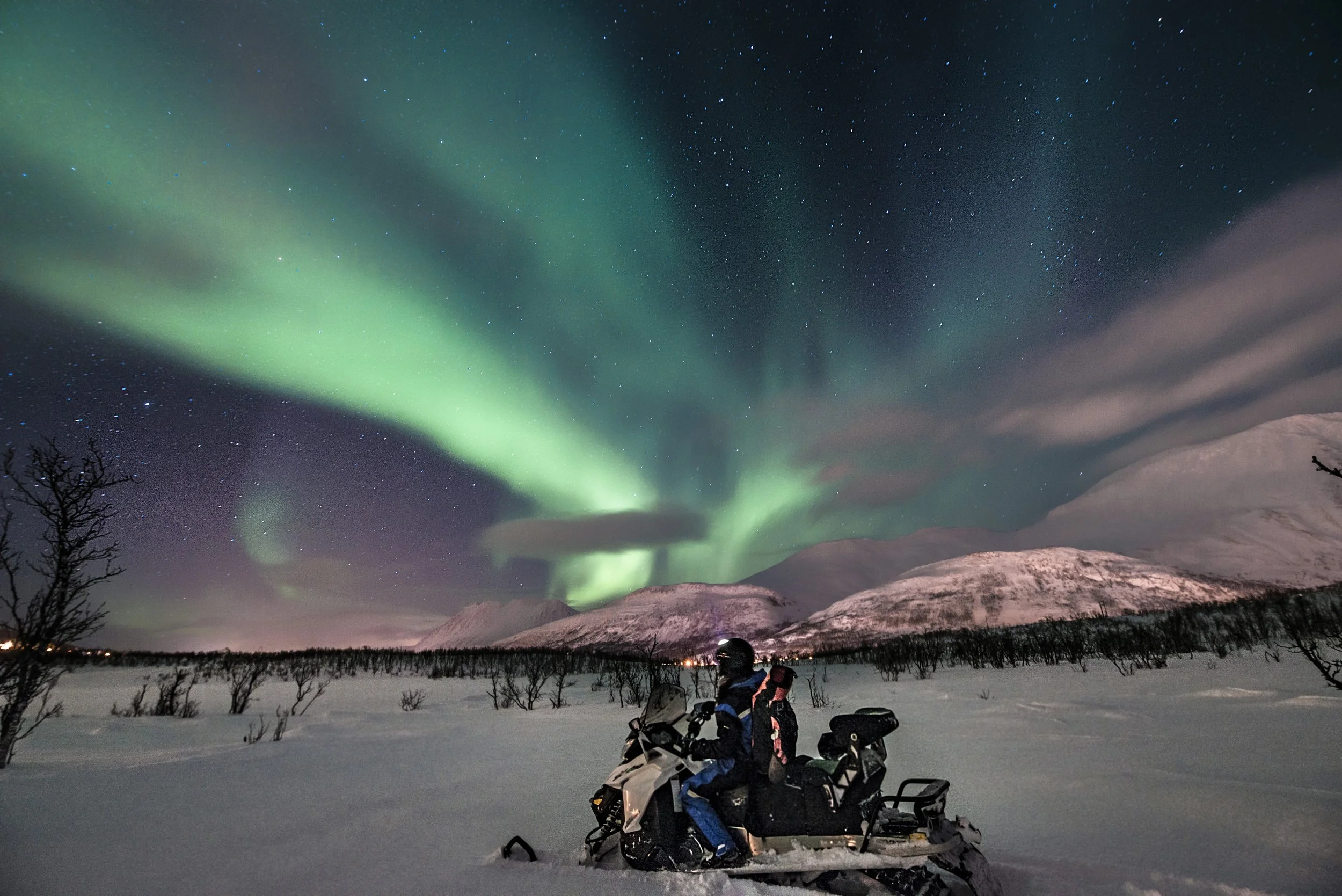
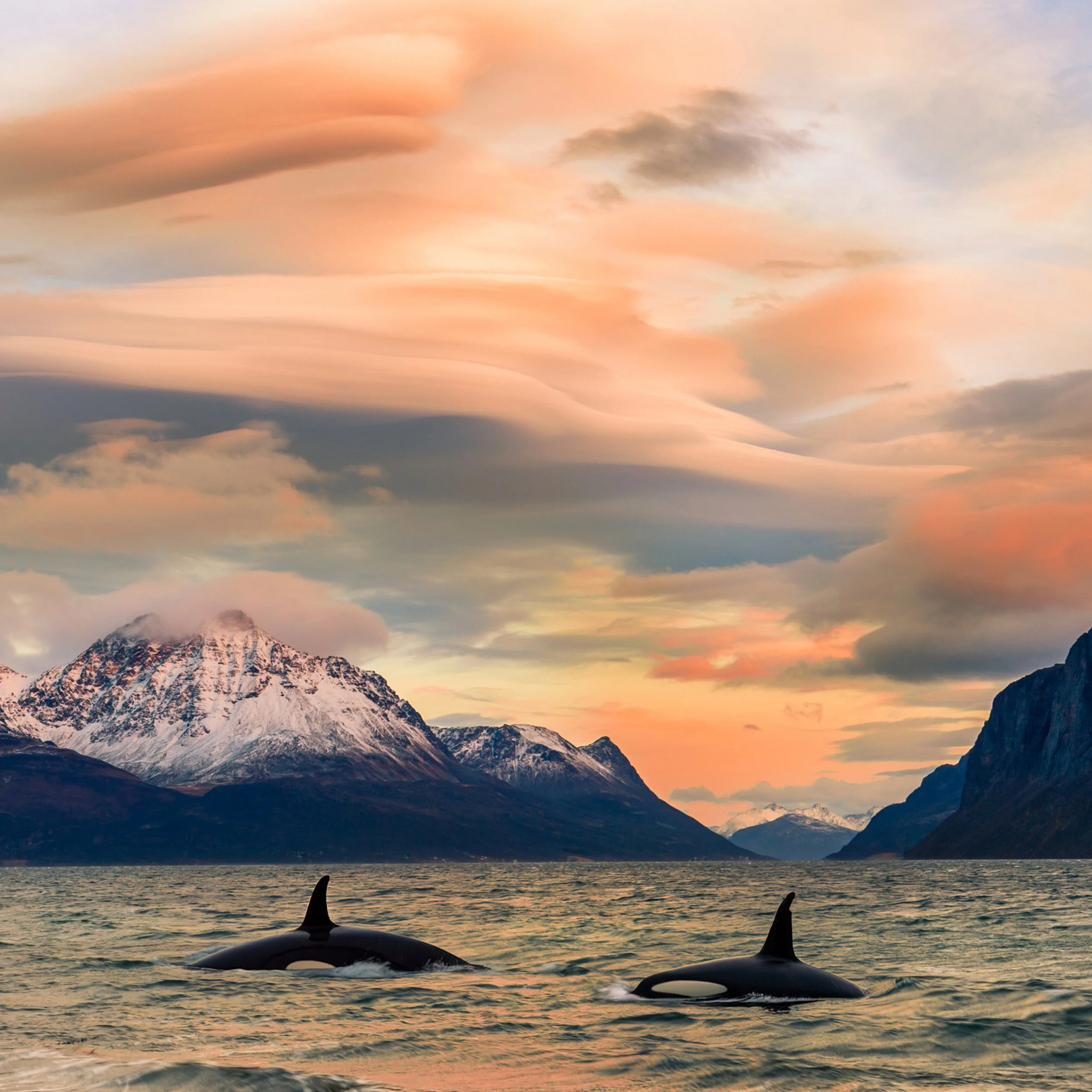
I have clients who've been to Santorini fourteen times who come back from the Arctic Circle and say they've never seen anything like it. The colors here, vermillion fishing cabins against black cliffs against water that is genuinely turquoise despite the latitude, don't make logical sense. Visit in November for the Northern Lights and absolute solitude with orcas. Visit in summer for the midnight sun and hiking that will rearrange your understanding of what mountains can look like.
How to get there: Fly into Tromso via Oslo.
Where to stay: Lodge Havnnes is a private property on a heritage island, the only one that did not get burned down in World War II. You’ll want at least 4 nights here and bring your closest friends.
Galápagos Islands, Ecuador
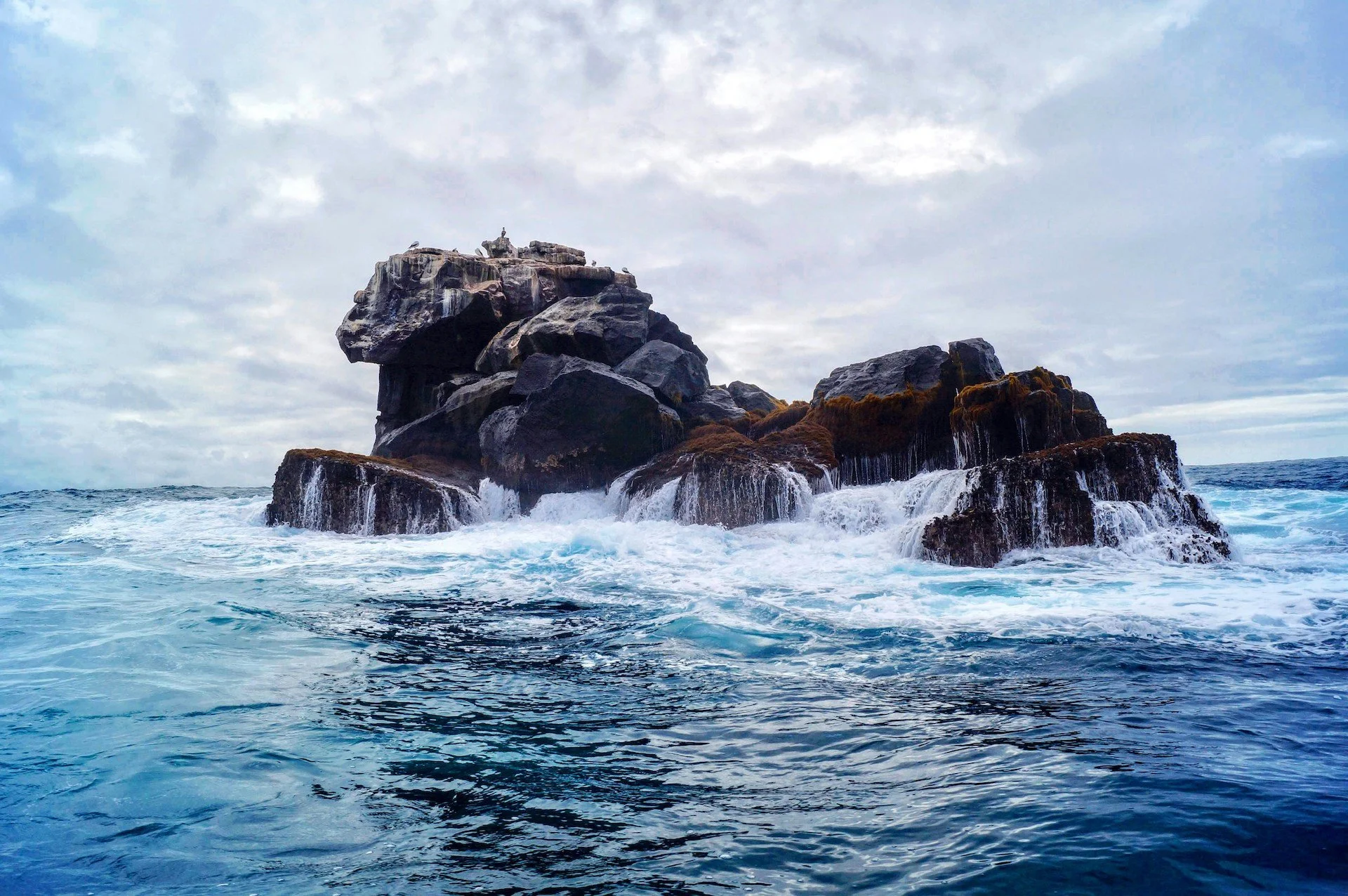
The thing about the Galápagos that no one warns you about is that the animals have no fear of humans. None. A sea lion will sleep across your path and refuse to move. A marine iguana will regard you with magnificent indifference from six inches away. This is what the world looked like before we became a threat to it, and it is humbling in a way that is difficult to explain in advance. A liveaboard is the only way to see more than one or two islands properly.
How to get there: Fly from Quito or Guayaquil to Baltra or San Cristóbal; the flights take roughly 2–3 hours. All travelers pay a $200 national park entrance fee on arrival. A certified naturalist guide is legally required for most excursions, which is as it should be.
Where to stay: Split your time between Galapagos Safari Camp on Santa Cruz — tented, elevated, genuinely immersive — and Scalesia Lodge on Isabela, which sits inside the youngest and least-visited island in the archipelago. Or skip land entirely and book a cabin on Ecoventura's Origin — sixteen passengers, a resident naturalist, and itineraries that reach the outer islands larger vessels can't.
Socotra Island, Yemen
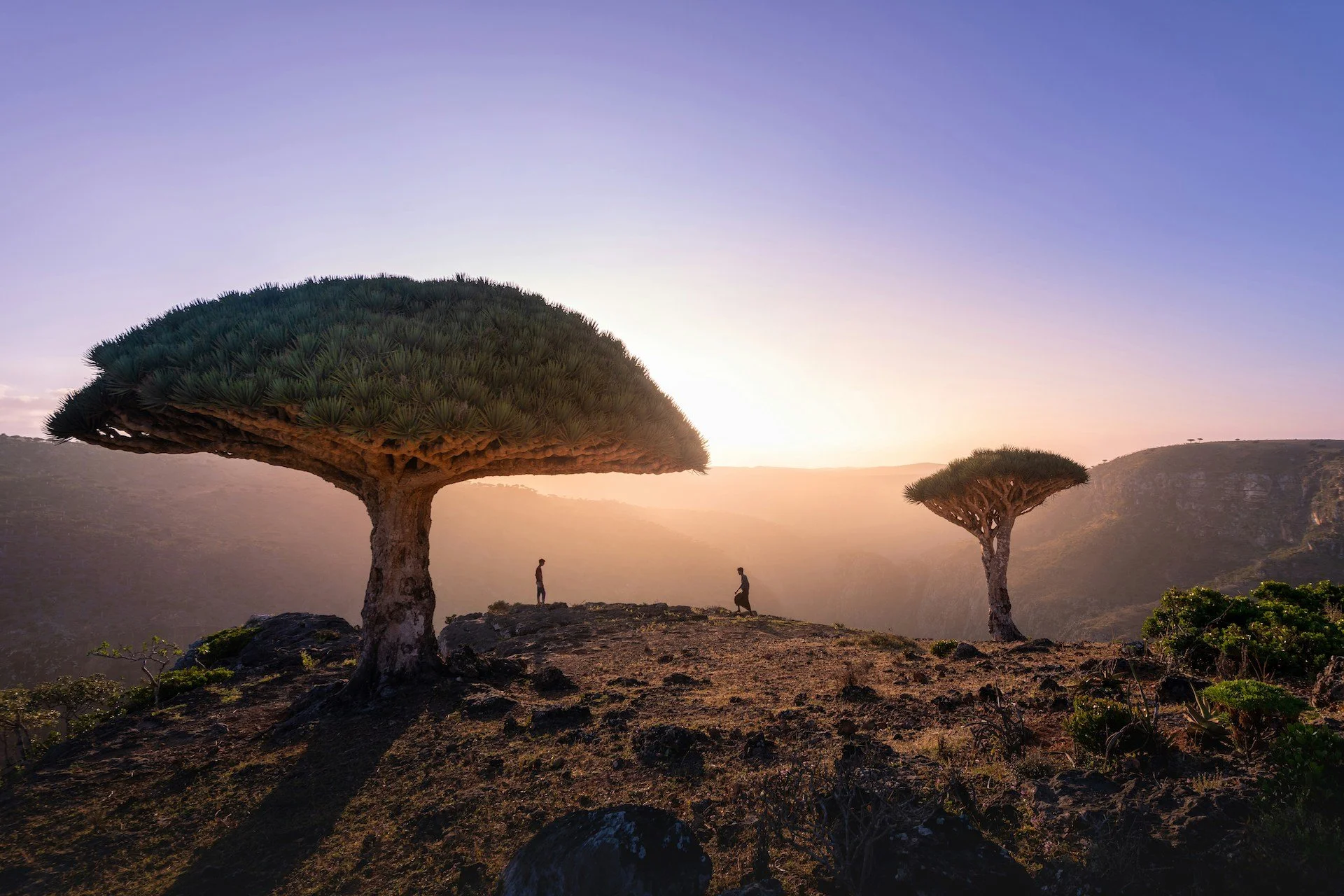
Dragon's blood trees look like nothing else that grows on this earth. They are umbrella-shaped, upside-down, prehistoric, and they bleed red sap when cut. Socotra has been isolated long enough — geographically and politically — to develop its own ecosystem almost entirely in isolation. About a third of its plant life exists nowhere else on the planet. Getting there is not simple, and that is exactly why it has survived. This destination requires careful monitoring of travel advisories given the ongoing conflict in mainland Yemen; when conditions permit, it is without question one of the most extraordinary places I have ever encountered.
How to get there: Fly via Abu Dhabi or Cairo to Socotra Airport. Felix Airways and Air Arabia Arabia serve the route with varying regularity. This is a destination that demands up-to-date logistics support.
Where to stay: Accommodation here is in private luxury tents which we can arrange with our team on the ground.
Ha Long Bay, Vietnam
Ha Long Bay is on every list and for good reason, though the reason the photos show almost no other boats is that the photographer woke up at 4am and pointed away from the cruise corridor. The bay has been over-touristed in certain areas for years, which is why where you stay and how you sail matters enormously. Bai Tu Long Bay, to the northeast, is quieter and equally spectacular — take that instead if you're going in high season.
How to get there: Fly into Hanoi (HAN), then drive 3–4 hours east to Halong City, or take a faster seaplane. Book through your boat, not through a bus aggregator.
Where to stay: Paradise Elegance Cruise — smaller fleet, attentive service, routes that go where the crowds don't. Book the full two-night itinerary; one night is never enough.

Capri, Italy
Capri in August is a project in tolerance. Capri in May, or better yet late September, is one of the most civilized places in the Mediterranean. The rock, the water, the houses stacked into the hillside — it has been glamorous since the Romans built summer villas here and nothing essential has changed. Take the chairlift to Monte Solaro at dawn. Walk the Via Krupp when it's open. Don't take a selfie in the Blue Grotto.
How to get there: Ferries from Naples (50 min), Sorrento (25 min), and Positano (1 hr) run regularly. The high-speed hydrofoils are faster but rougher in any swell. Fly into Naples Capodichino, which is well-served from most European hubs.
Where to stay:Villa Treville, formerly the private home of Franco Zeffirelli, it has since become the most quietly spectacular small hotel on the island. Twelve rooms, a garden that falls into the sea, and an atmosphere that feels borrowed rather than staged.

Sumba, Indonesia
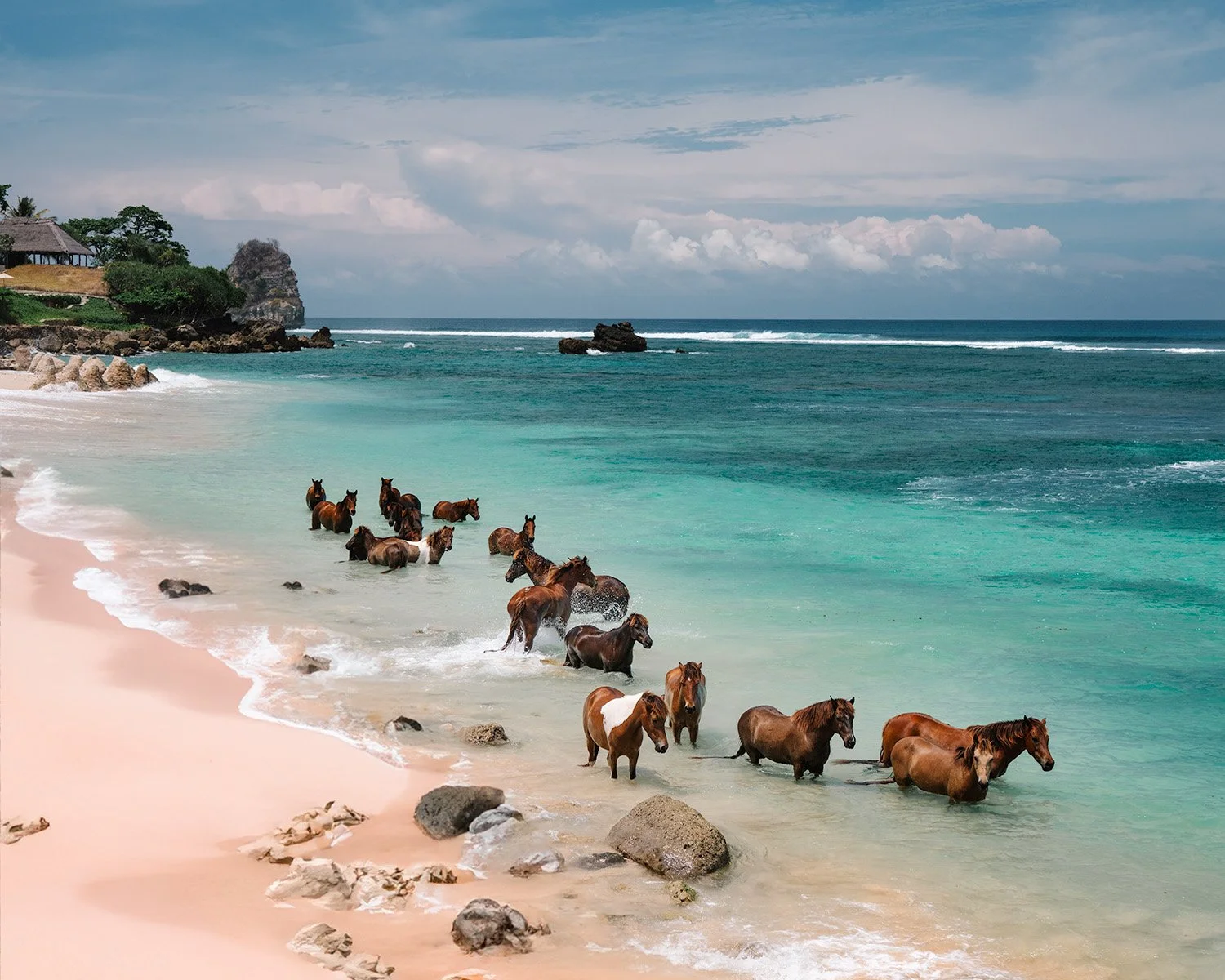
Sumba is not Bali. It doesn't want to be. The island sits further east in the Indonesian archipelago, largely ignored by the resort circuit until Nihi Sumba arrived and quietly became one of the most coveted hotel bookings on the planet — not because of what it built, but because of what it left alone. The savanna rolls down to clifftops. The beaches below them are empty. The Sumbanese culture, with its animist traditions and ikat weaving, is not a backdrop; it's the point.
How to get there: Fly into Bali (DPS), then connect to Tambolaka Airport on Sumba's west coast — the flight takes about 90 minutes and runs daily. Nihi handles transfers from the airport, which is part of the service.
Where to stay:Nihi Sumba is consistently ranked among the best hotels in the world, and one of the few that earns it without apology. Thirty-three villas on 567 acres of private coastline, a surf break that guests can reserve exclusively, and a foundation embedded in the local community that makes the luxury feel like it belongs here rather than landed on top of it.
Salar de Uyuni, Bolivia
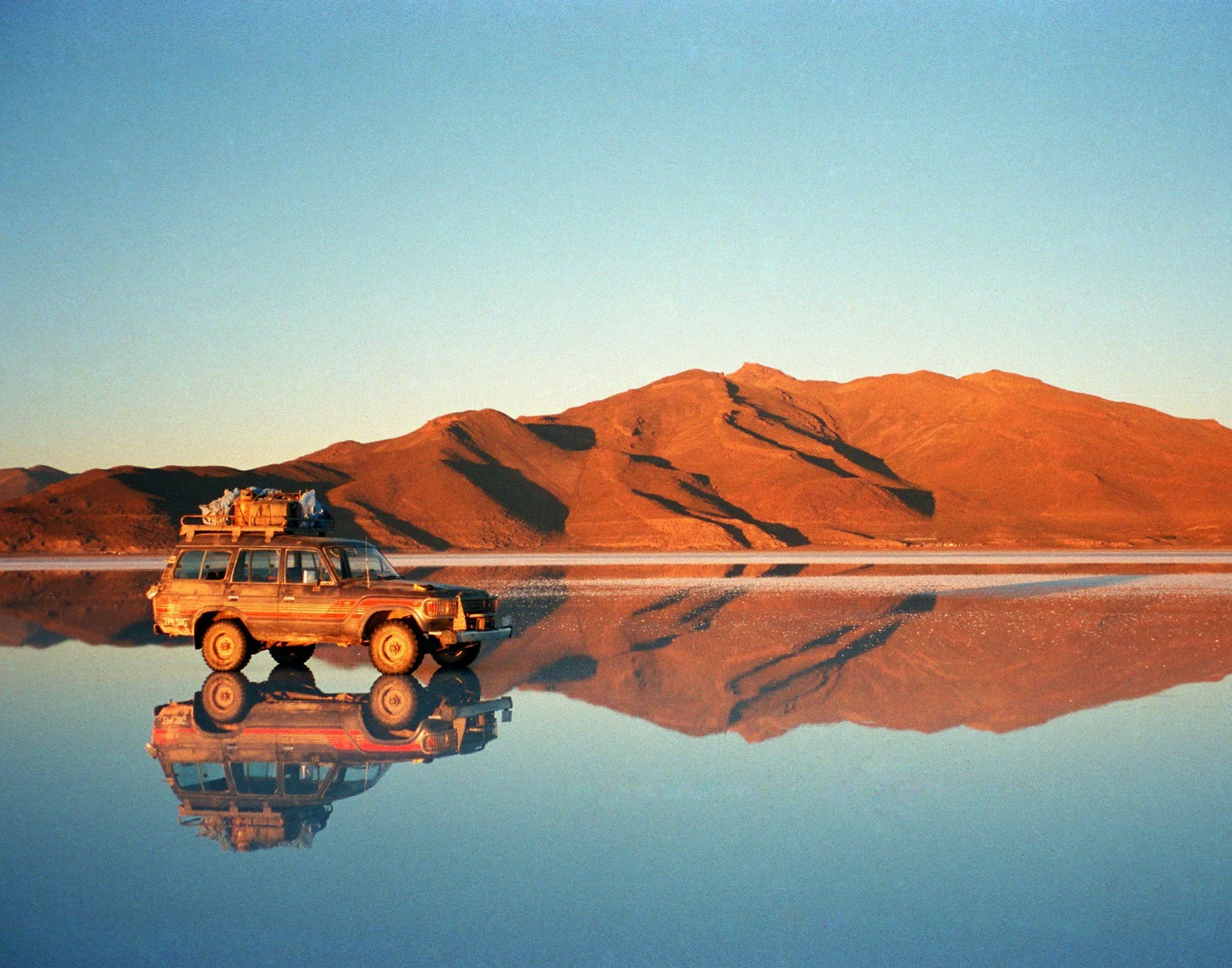
In the wet season, a thin film of water covers the world's largest salt flat and the sky reflects perfectly below your feet. The horizon disappears. You stand inside the photograph. It sounds like a cliché until you're standing inside it and realize that the experience of infinity is not a metaphor — it is something your body actually registers. Drive out at 4am and watch the sun come up from the middle of it.
How to get there:Fly into La Paz or Santa Cruz, then connect to Uyuni Airport (UYU). Tours from Uyuni town typically run 3-day circuits that continue into the colorful lagoons of the altiplano toward San Pedro de Atacama in Chile. Do the full circuit.
Where to stay: Palacio de Sal is a hotel built from salt bricks directly on the edge of the flat. It is exactly as wonderfully strange as it sounds.
Torres del Paine, Chile
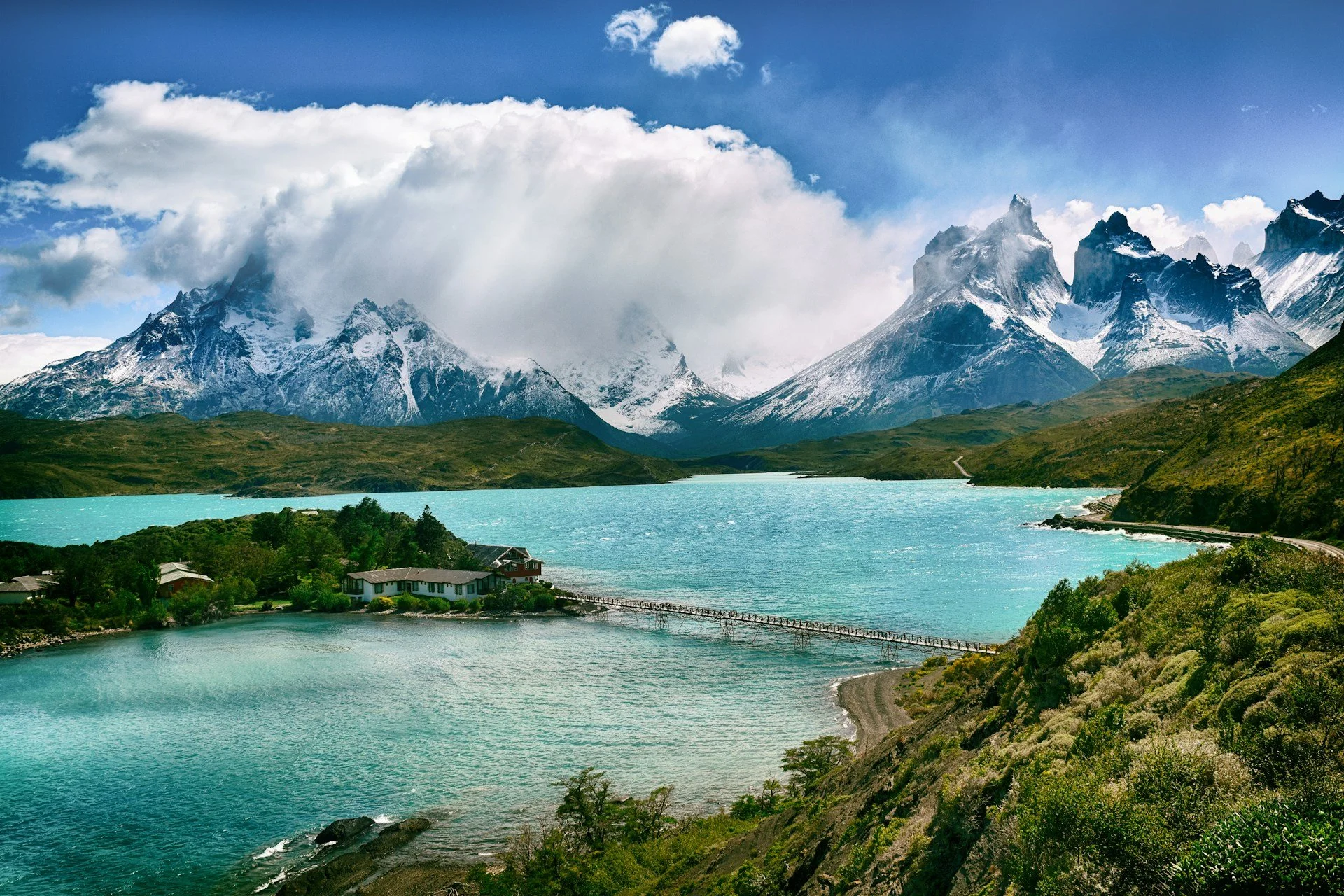
Patagonia's light is the variable that photographs never manage to convey. One hour the granite towers are gold, the next they're disappearing into cloud, and by afternoon the wind is horizontal and the sky is doing something entirely different again. The Full Circuit takes nine days and requires preparation. The W Trek takes five. Both are worth every blister. This is what the end of the world looks like, and it is magnificent.
How to get there: Fly into Punta Arenas or Puerto Natales — connections available from Santiago. Puerto Natales is the gateway town, 1.5 hours from the park entrance. Transfer by road or by catamaran ferry across the fjord for the more dramatic approach.
Where to stay: Tierra Patagonia is an all-inclusive lodge inside the park that organizes guided explorations departing daily. The architecture is its own landmark. The only drawback is that leaving is genuinely painful.
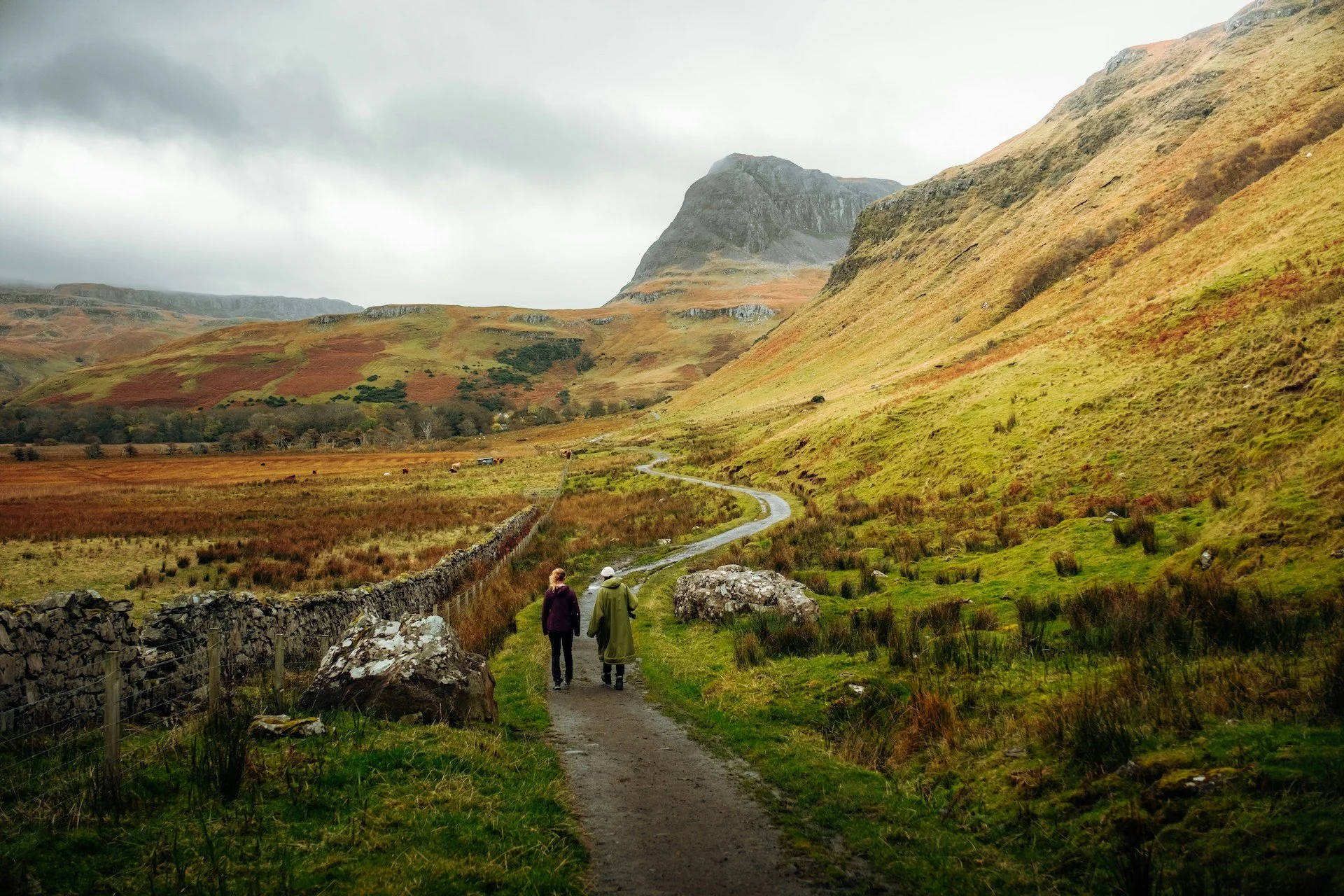
Isle of Skye, United Kingdom
The Fairy Pools are real and they are cold and they are worth it. What surprises visitors to Skye is not the famous sites; Dunvegan, the Old Man of Storr, the Quiraing — but the quality of the light between them, the way a single afternoon can move through a dozen different weathers and moods. Scotland has a Michelin restaurant scene that confounds every expectation, and Skye is part of it.
How to get there: Fly into Inverness, then drive 2.5 hours west over the Skye Bridge. The road from Inverness through Glen Shiel is not the fastest route and is absolutely the right one. No direct airport; a car is non-negotiable.
Where to stay:Kinloch Lodge, Relais & Châteaux, a former hunting lodge on Loch Na Dal, owned by the MacDonalds of Sleat for three centuries and now running one of the best kitchens in Scotland. Stay long enough to eat dinner twice.
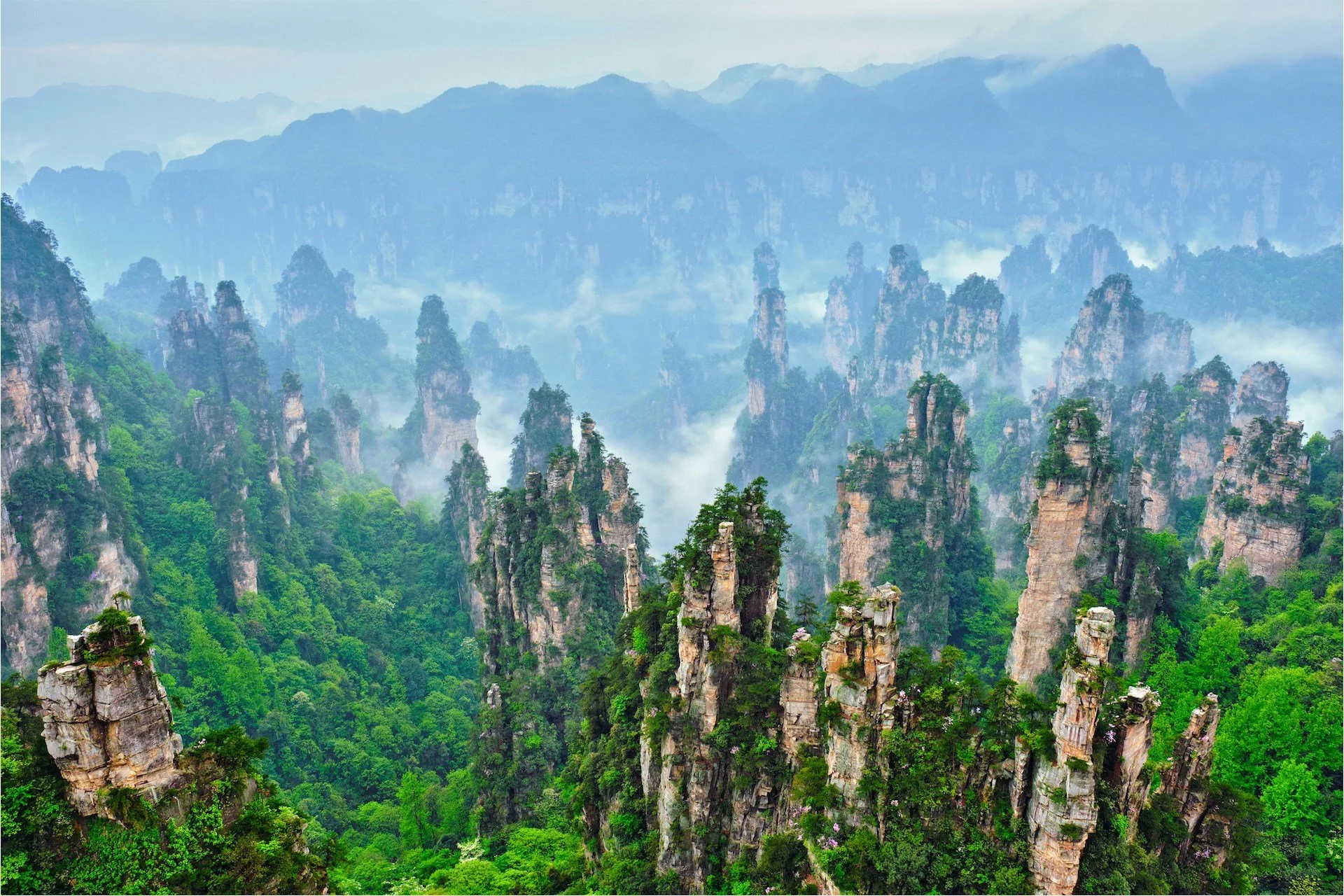
Wulingyuan, China
The sandstone pillars of Zhangjiajie were the inspiration for the floating mountains in Avatar, and while that comparison is now inescapable, the actual landscape earns its own description: thousands of columns of quartzite sandstone rising from the valley floor, draped in subtropical forest, disappearing into cloud. The glass-bottomed walkways are a tourist concession. The backcountry trails are not.
How to get there: Fly into Zhangjiajie Hehua International Airport — connections from Beijing, Shanghai, Guangzhou. The scenic area is about 30 km from the city center. Allocate at least three days; one is not enough.
Where to stay: Piles Inn is a small boutique property on the valley's edge with direct views of the pillars. It is simple and it is right. Larger hotels in Zhangjiajie city miss the point entirely.
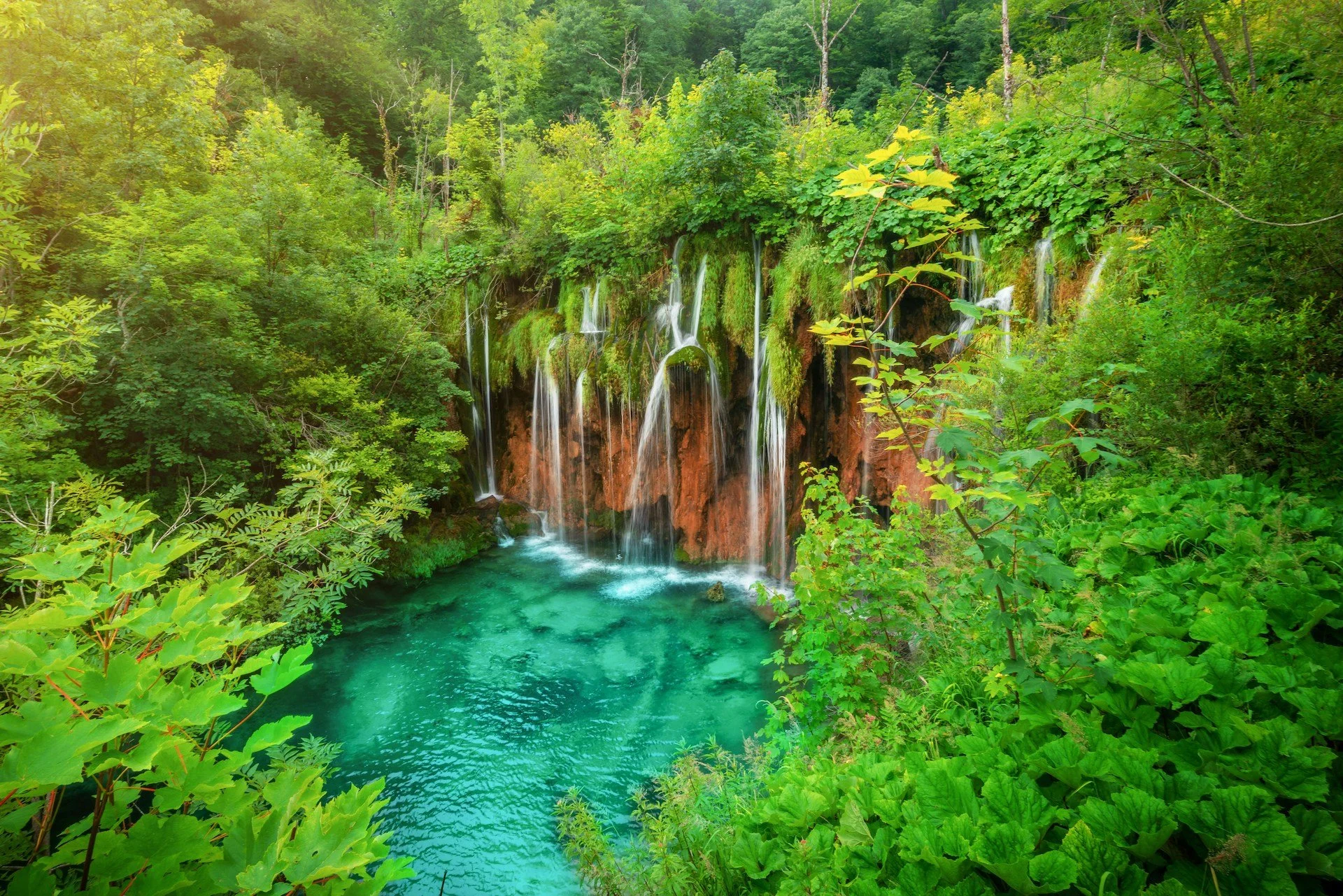
Plitvice Lakes, Croatia
Plitvice is one of those places where the crowds have become the main argument against going, and I understand that argument, and I reject it. Go in October. Go in early morning. The sixteen terraced lakes connected by waterfalls, each varying in color from emerald to cobalt depending on the minerals and the light, are a geological phenomenon that earned its UNESCO status. The boardwalk system is the one intervention that was done right.
How to get there: From Zagreb, it's a 2-hour drive south on the A1. From Split, about 2.5 hours north. There is no train. A car gives you the most flexibility; bus services from both cities are available but schedule-dependent.
Where to stay: Hotel Jezero is inside the national park itself, which is the only advantage that matters. Being there before and after the day visitors arrive is the entire point.
If one of these places is on your list, let’s build the trip around it. Start with a trip request.
More from the Travelogue