300 Words for Snow
What the Sami Words for ‘Snow’ Can Teach us About Slowing Down
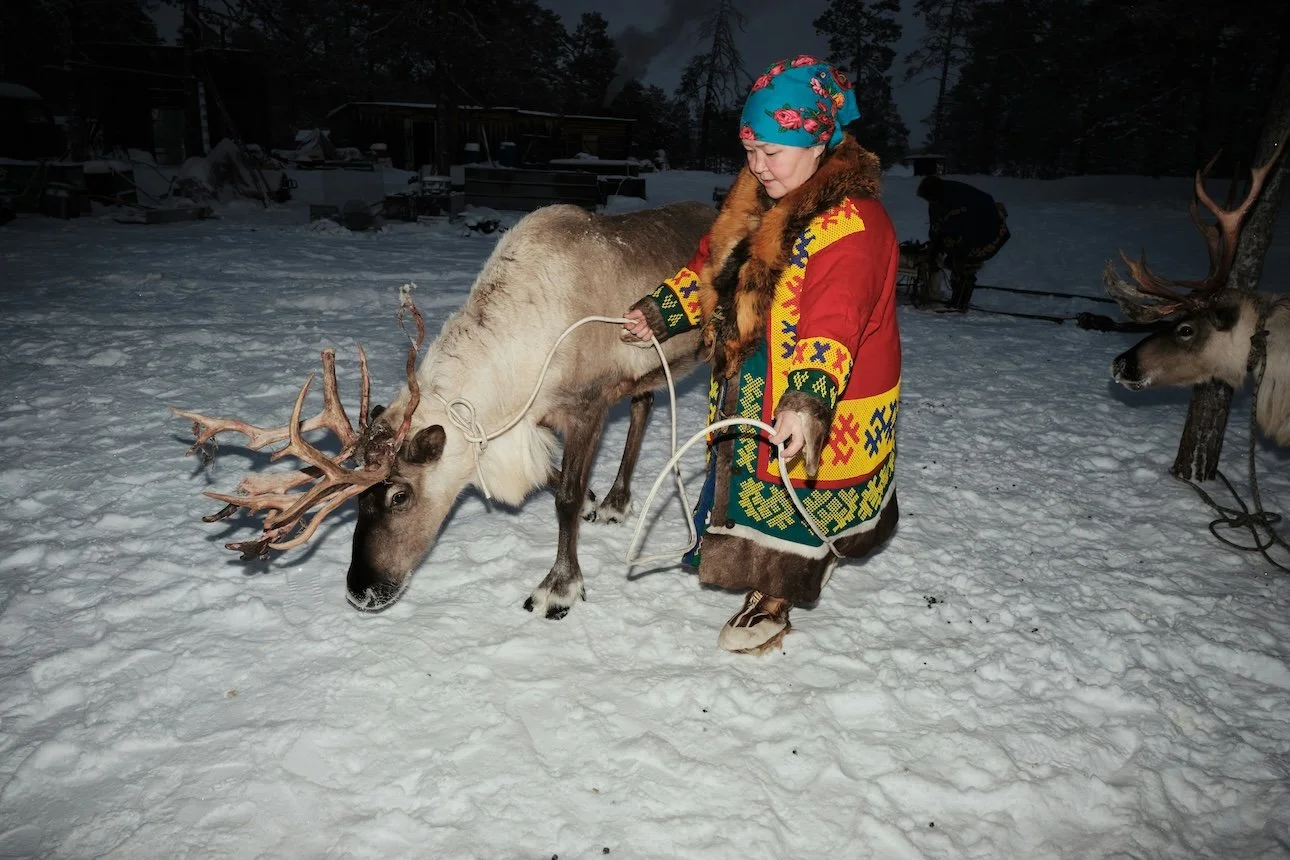
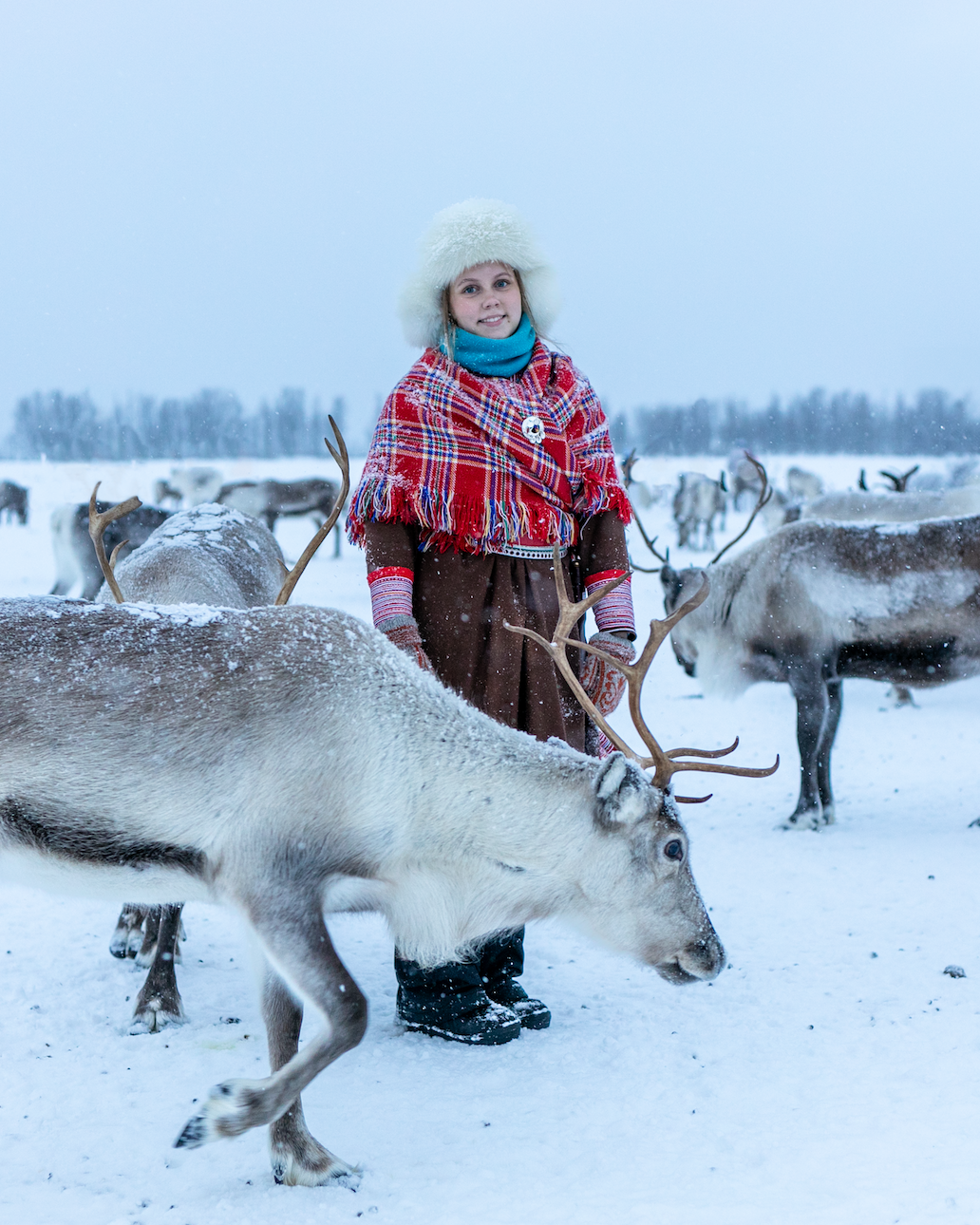
There is a popular claim that the Sami have 300 words for snow. It gets repeated constantly, usually as a fun fact and rarely with any context. The real number is debated among linguists, somewhere between 180 and 300 depending on how loosely you define a word, and most of them do not describe snow itself. They describe conditions: whether the surface will carry a reindeer's weight, whether it holds tracks, whether it will melt by afternoon, whether a sled will glide or catch.
That distinction is the actual story, and it is a better one. This is not a culture obsessed with a single white substance. It is a culture that has spent centuries reading a landscape closely enough to know the difference between snow that feeds you and snow that starves you. Åpmas is untouched snow, the kind a skier dreams about. Habllek is deep powder. Sabekguottát is a crust that will carry your skis in a straight line but breaks the moment you try to turn. None of these are trivia, they are survival information, refined over generations by people who could not afford to get it wrong.
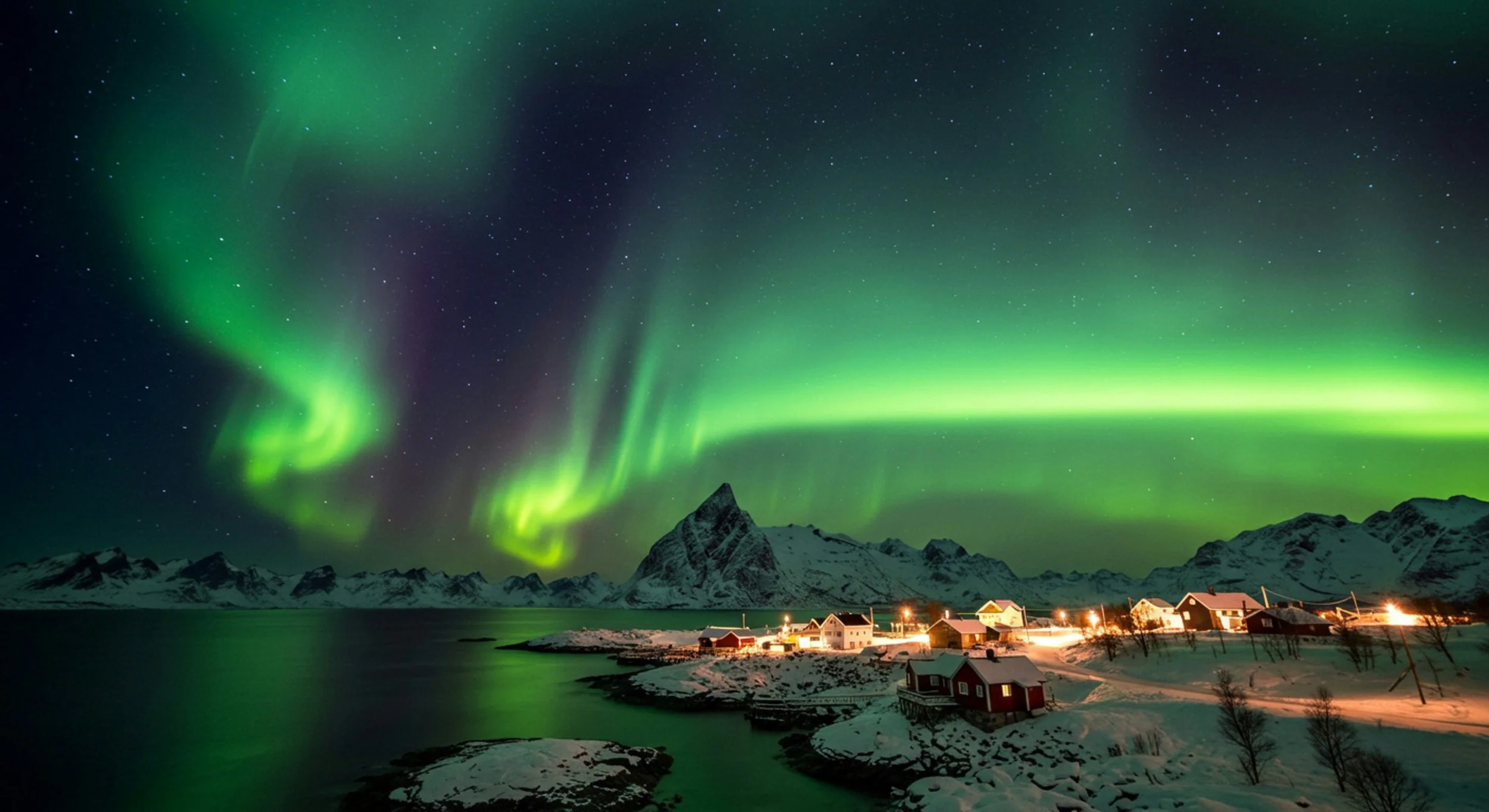
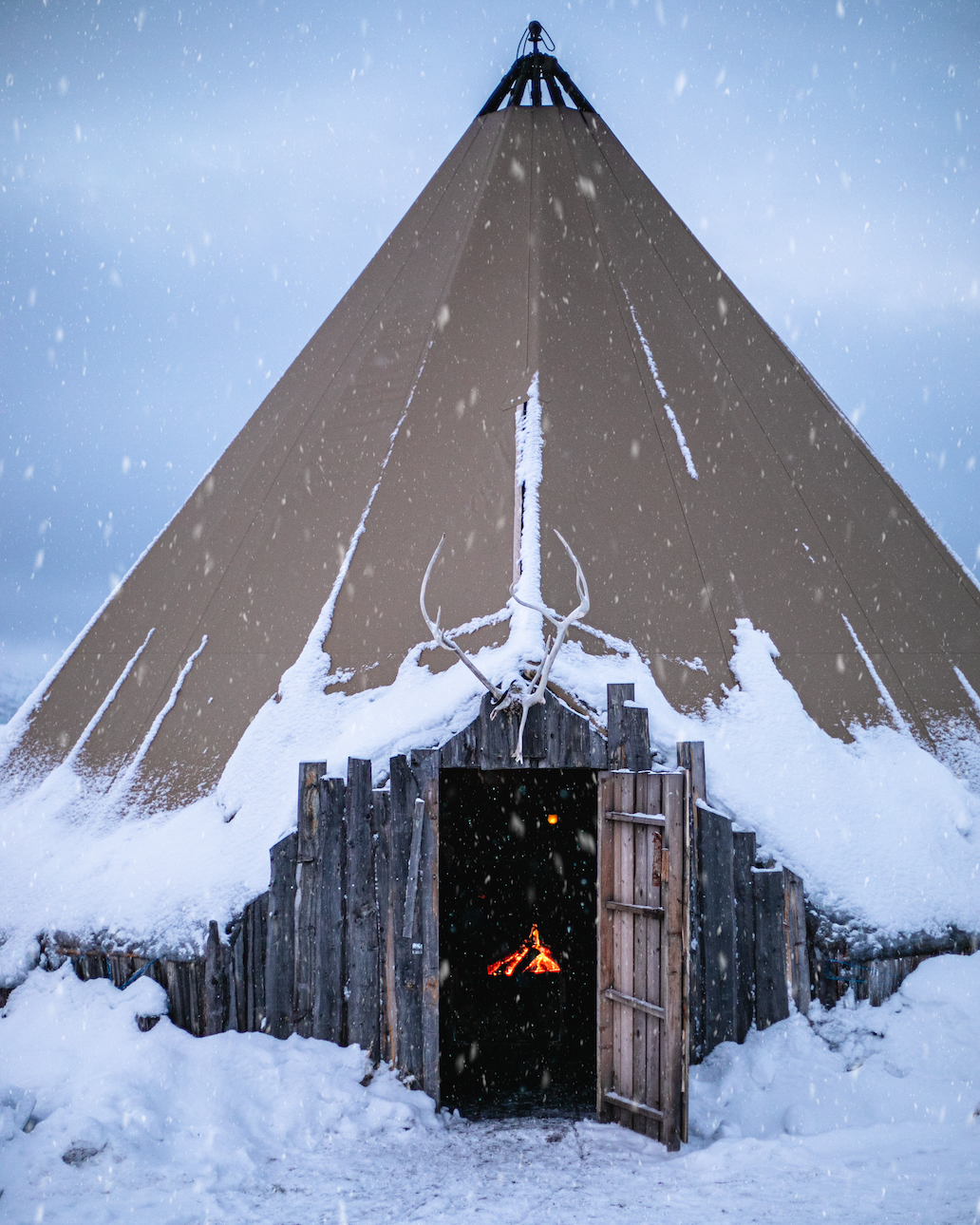
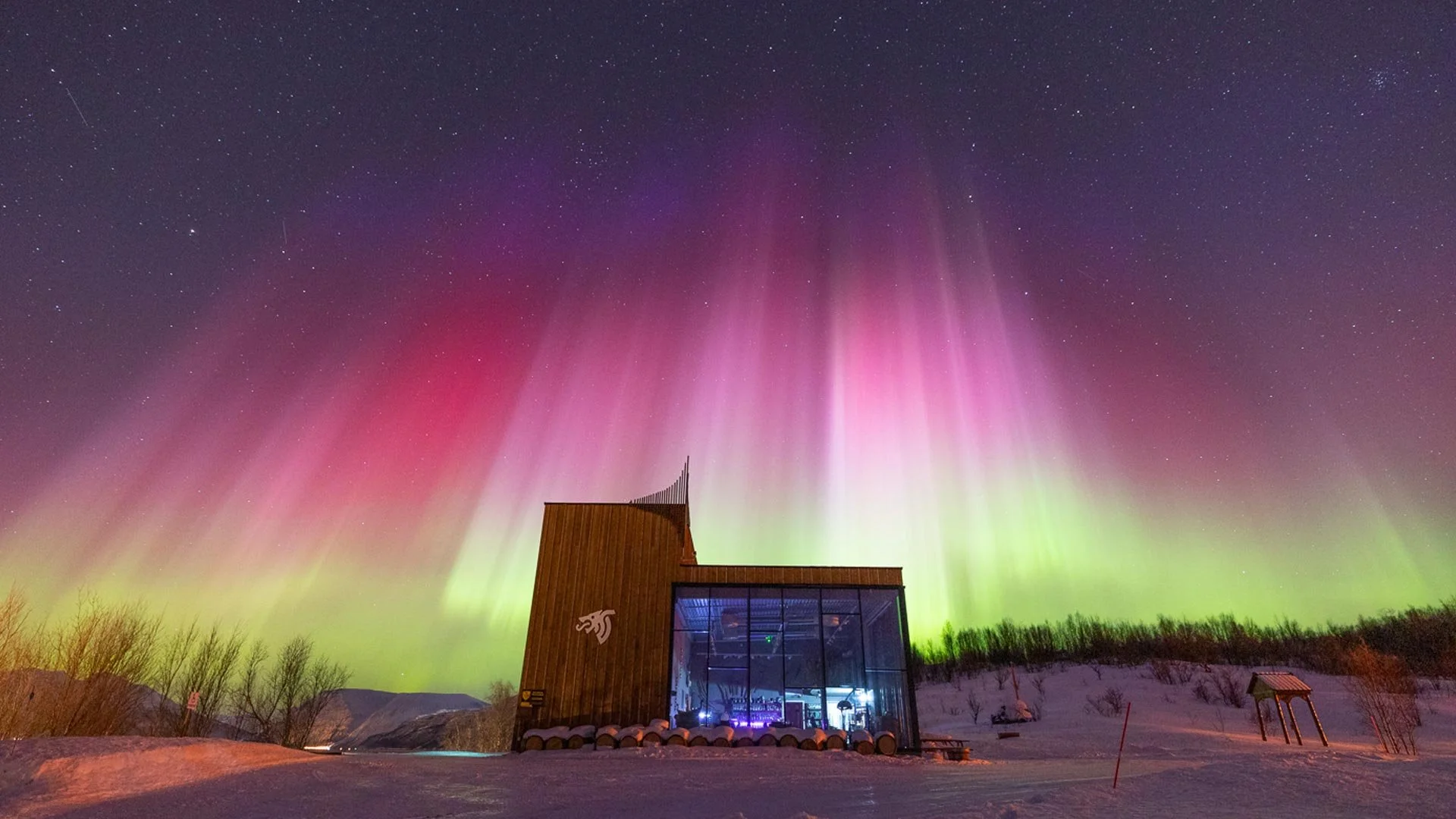
That level of deep understanding of nature is what we are chasing on this November's Eunoia Chapters expedition retreat in Norway, based out of a remote lodge in the Arctic Circle.
Why Norway, why November?
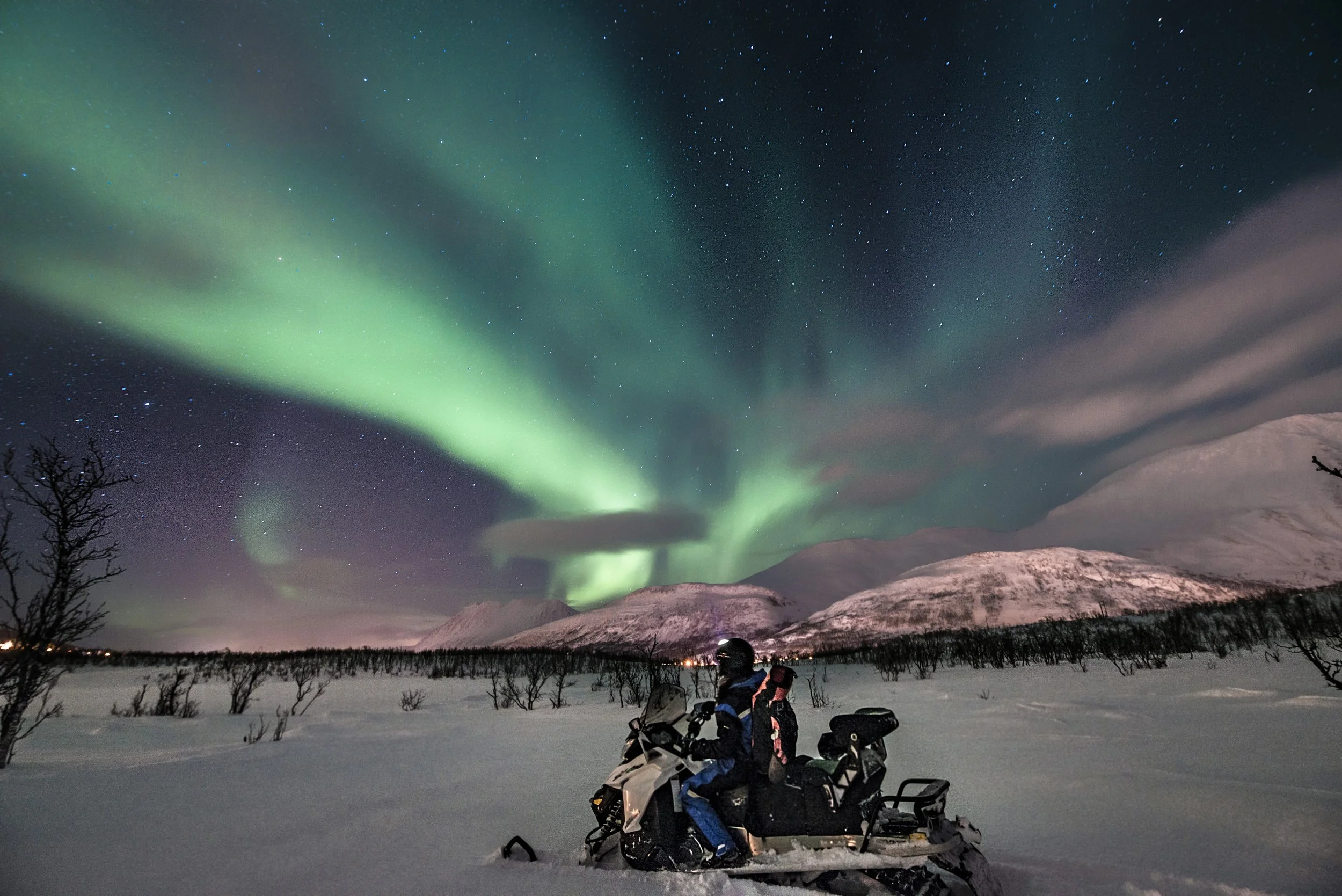
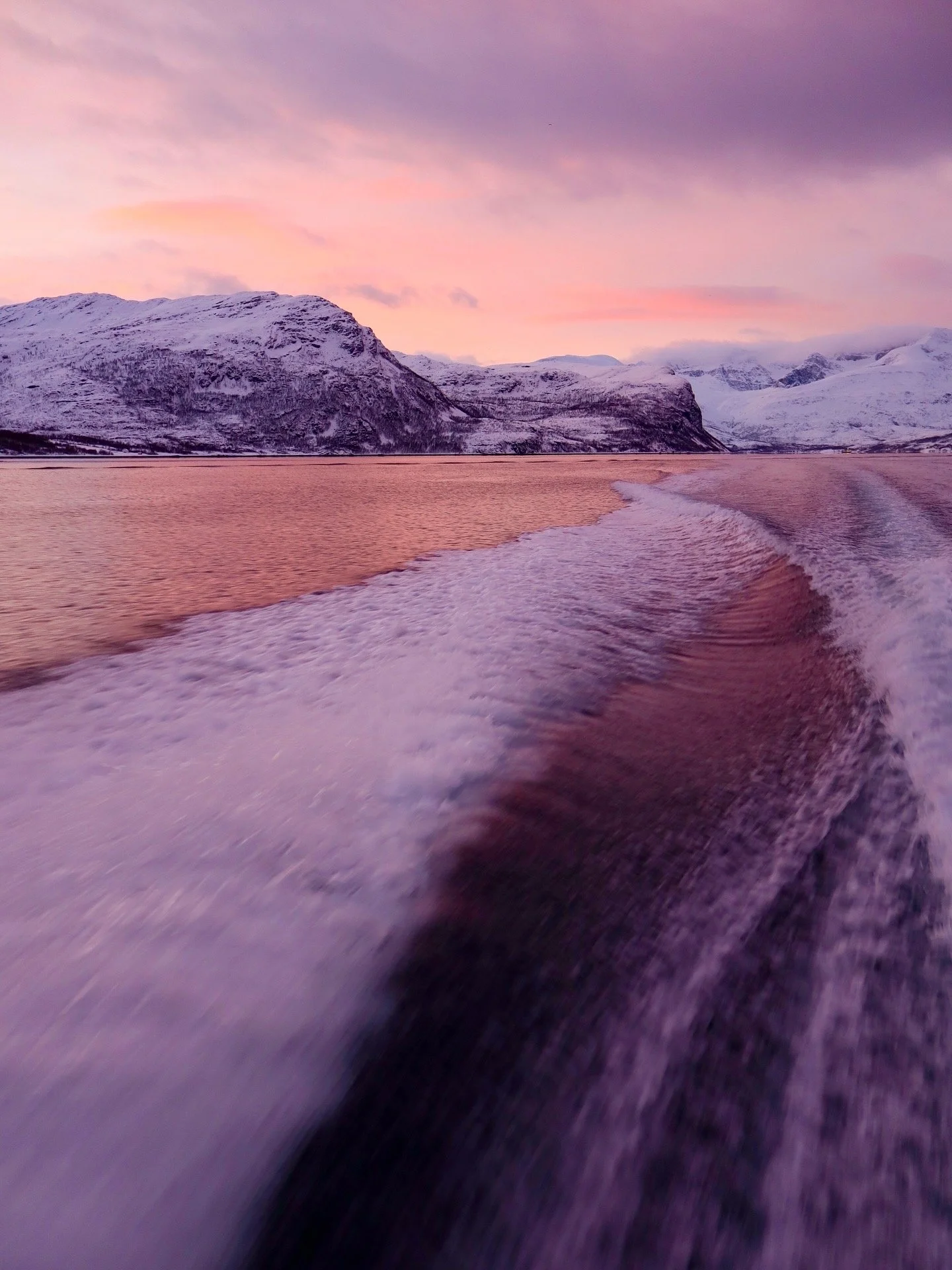
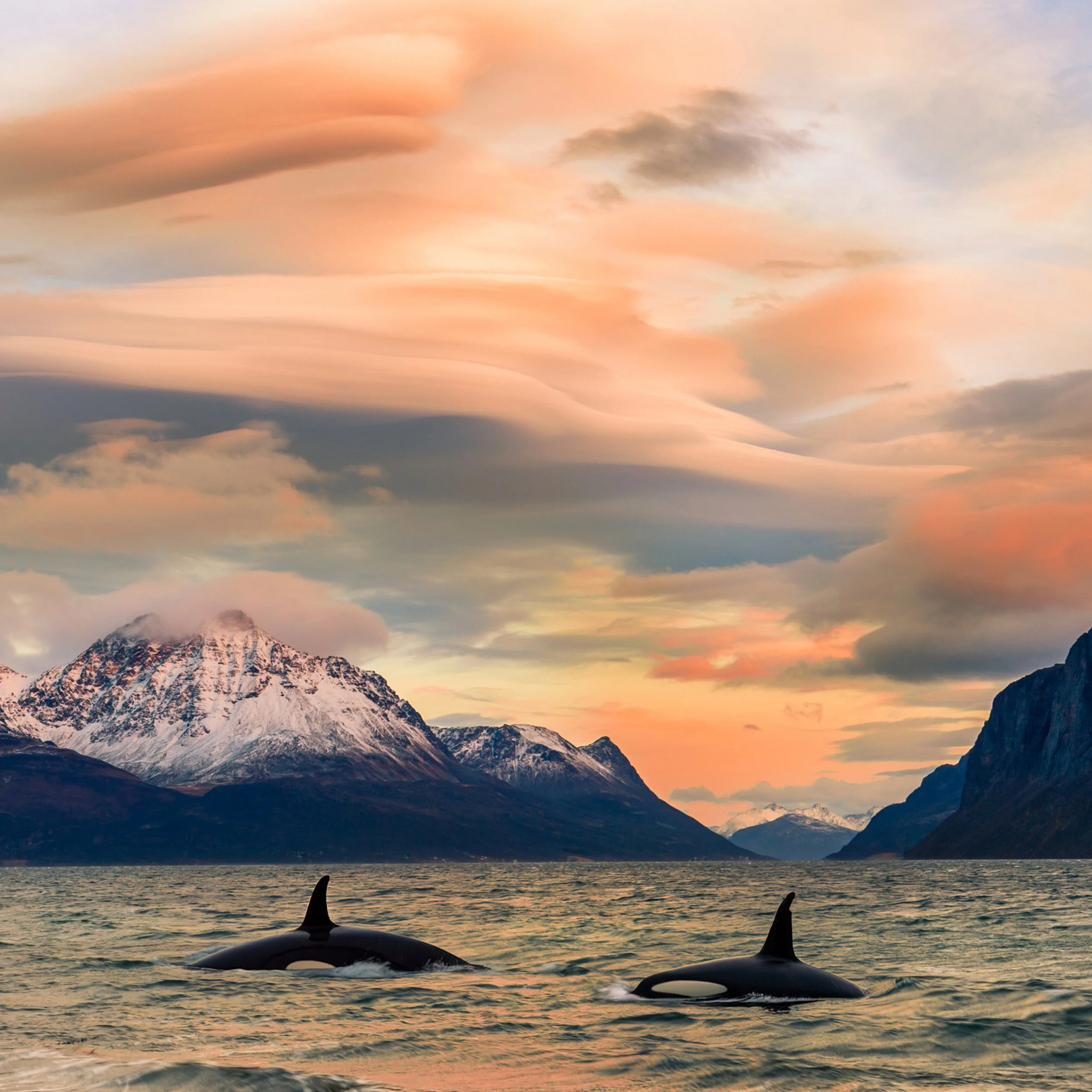
November is the transition month. The polar night has not fully closed in yet, so you get long, low light rather than total darkness, and the fjords are still cold enough to draw orcas and humpback whales into the sound to feed on herring. It is one of the few windows where you can watch whales surface against a mountain backdrop in the morning and stand in genuine Arctic wilderness by afternoon.
The lodge sits within the fjords with spectacular views and direct access to the water, so the whale watching does not require a long transfer or a packed itinerary. You go out by boat with people who have worked these waters for years, not a tour operator running a script.
Most husky sledding offered to travelers is a fifteen minute loop with someone else holding the reins. This is different. You learn from Sami mushers who have run dogs through this terrain their whole lives, not as a performance for visitors but as a real transfer of skill: how to read the dogs, how to shift your weight on a turn, how to trust an animal that already knows the trail better than you do.
It is physical, it requires attention, and it is the closest most people will get to understanding why this landscape produced a vocabulary as precise as the Sami one. You cannot fake fluency with conditions like these. You either know the snow or you do not.

Who this retreat is for
This is built for women who want adventure that asks something of them, not adventure that is staged for a photo. If you want to sit still and watch whales feed in silence, then spend the next day physically working a dog sled across snow that a musher can read like a page, this is the trip.
Spaces are limited, given the size of the lodge and the nature of the activities. If November in the Arctic sounds right to you, reach out and we will build the details around your dates.
Update: Only 1 spot left on this expedition
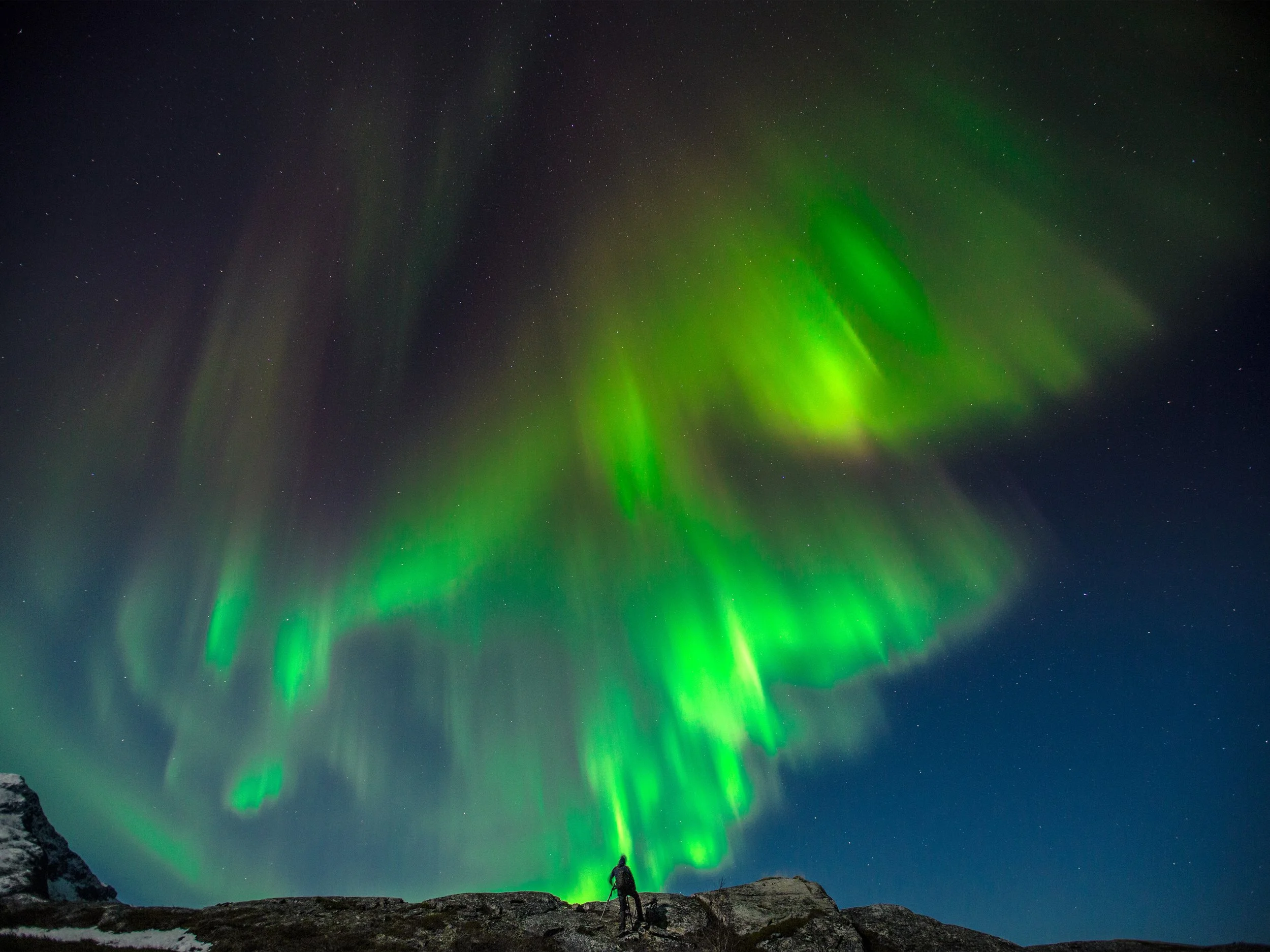
November 16 - 20, 2026 | Tromso, Norway
Four nights on an island tucked into the fjords of northern Norway, far from noise, far from routine. We will arrive by transfer from Tromsø, and from the moment we settle in, the Arctic becomes our rhythm. Mornings begin with a breakfast buffet before we head out into the landscape. Afternoons bring us back to warmth, to lunches and long conversations, to the sauna and the jacuzzi steaming quietly against the cold fjord air.
(Sold Out!)