
Mallorca Travel Guide
Full disclosure: I am a bit of a local in Mallorca. I arrived in the summer of 2017, convinced I would stay for a year, “máximo”. But Mallorca always has other plans.
I moved into a tiny apartment right in the middle of the old town, two minutes from La Rambla and the flower kiosks that stay open all year round. Some people call Palma a “Little Barcelona”, but that does not do it justice; it is a city with a character all of its own. Do not get me wrong, I am not trying to send more people its way (well, maybe a little). When I moved there, Palma was still a little under the radar, and I remember wishing it was more connected and more international. Be careful what you wish for: during the pandemic, people discovered the quality of life an island like this can offer, and Palma has never looked back.
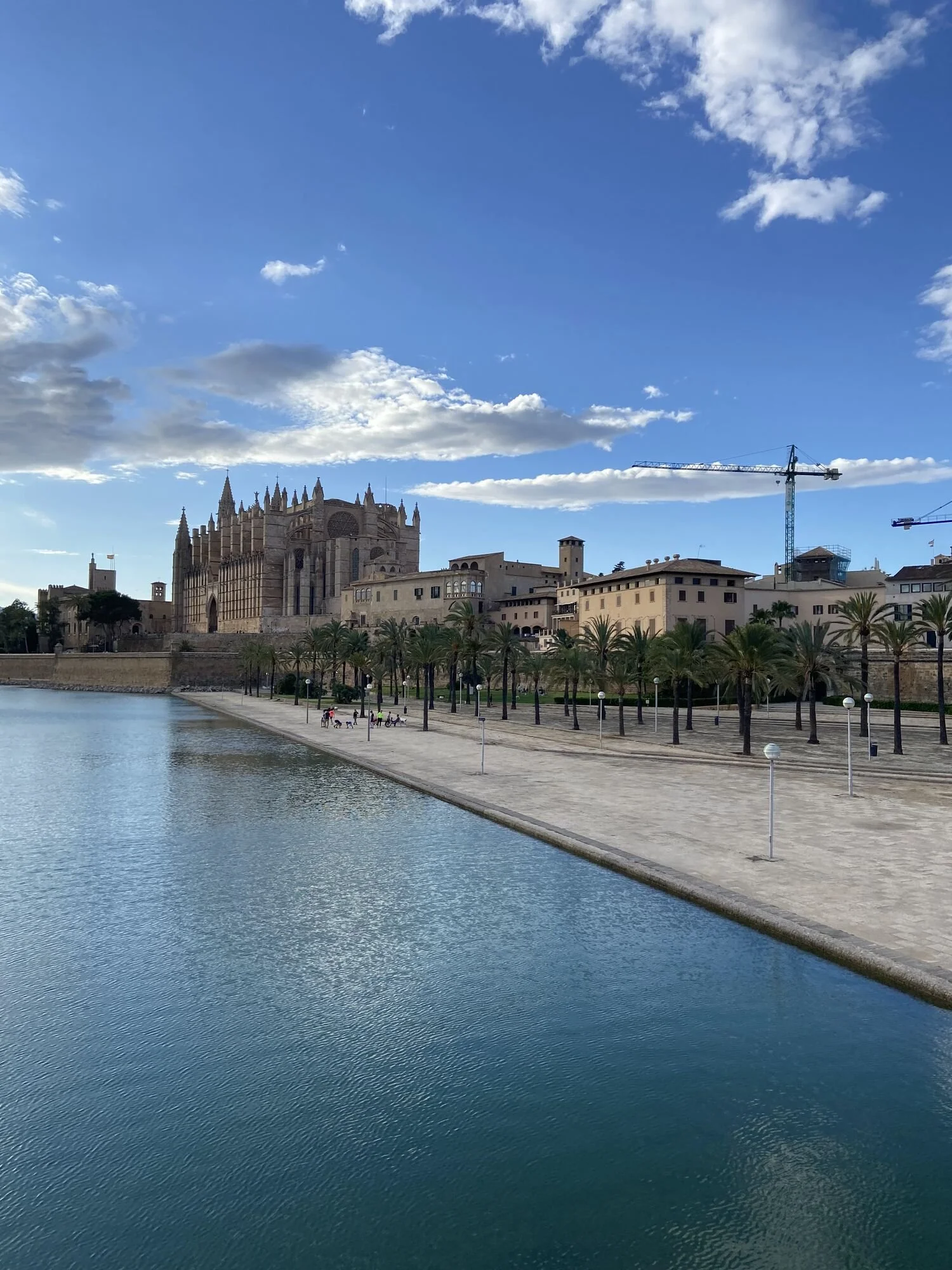
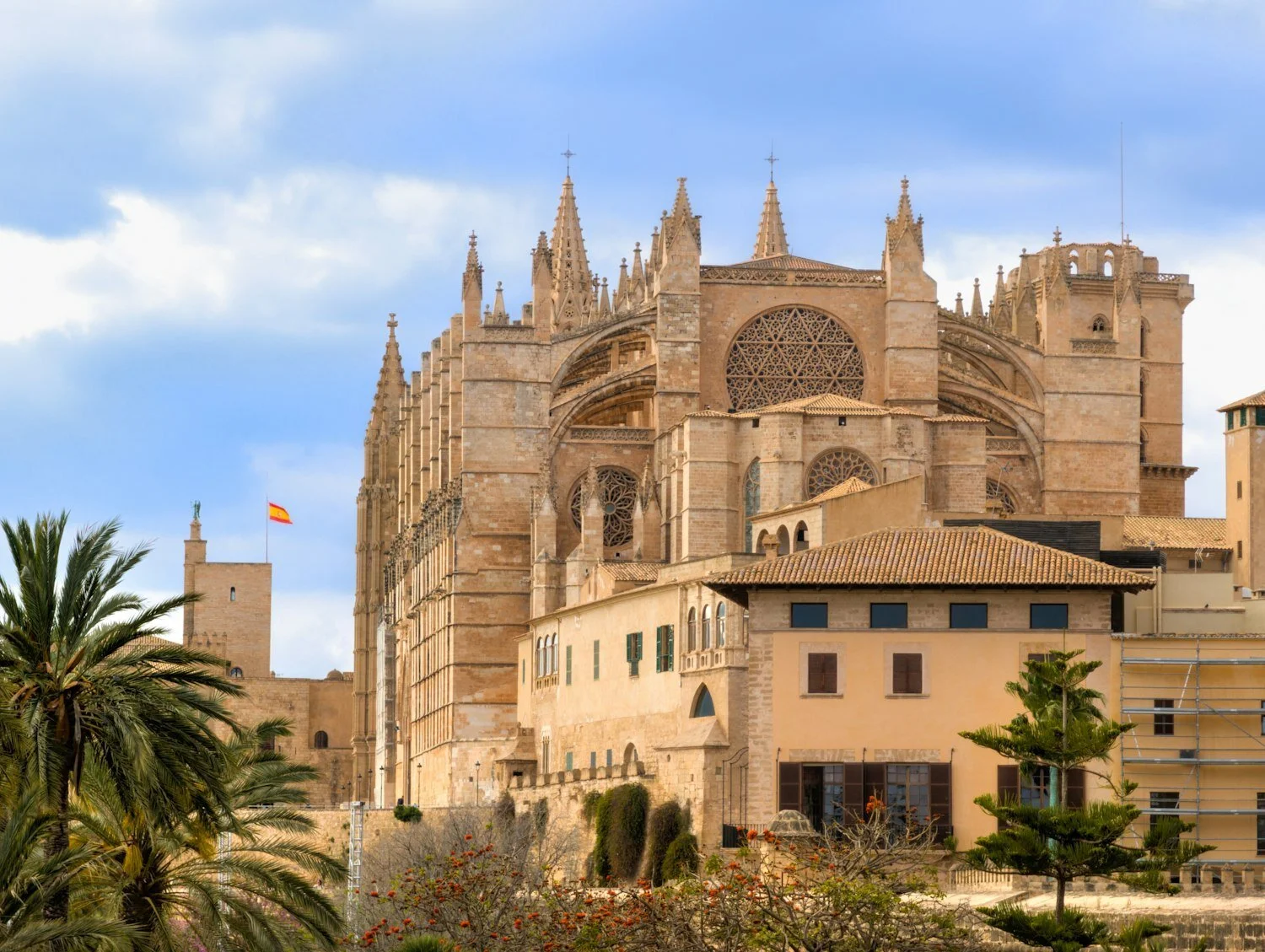
Today it is well above the radar, very much “on trend”, and the summers are busy to say the least, but I cannot blame anyone for making the pilgrimage. Palma is the perfect island city. The sandstone streets of the old town are full of life, the Mediterranean shines from Santa Catalina all the way to Calatrava (do not miss a rooftop sunset), and the city is home to some of the best known monuments in Spain. Everything is built around La Seu, the Gothic cathedral on the seafront, with an interior redesigned by Gaudí and a ceramic chapel by Miquel Barceló. Right next to it stands the Almudaina, the royal palace built on the site of the Islamic fortress. On a hill above the bay sits Bellver, a circular 14th century castle, and down by the water is Sa Llotja, the 15th century Gothic merchant exchange. Artists, writers, travellers, freedom seekers and royalty have been drawn here for centuries. Archduke Ludwig Salvator of Austria fell so hard for the Tramuntana that he bought up stretches of the coast to preserve it, Agatha Christie set a mystery in Pollença, and Joan Miró spent the last decades of his life painting in his studios above Cala Major, now the Fundació Miró Mallorca. The Spanish royal family still spends its summers here.
Palma has had many lives. The Romans conquered the island and founded the city, along with Pollentia, near Alcúdia in the north, which we will come back to later. The Vandals and then the Byzantines followed. For centuries it was Madina Mayurqa, a thriving Islamic city of orchards, mosques and bathhouses, ruled first from Córdoba and later from Marrakech. Then King Jaume I took the city for the Crown of Aragon and began building the Cathedral on the very spot where the main mosque once stood. Each of them left something behind in the streets of the old town.
Back to the present day: Palma is, dare I say, where all roads lead. So if you have a week and do not fancy moving around too much, make it your home base.
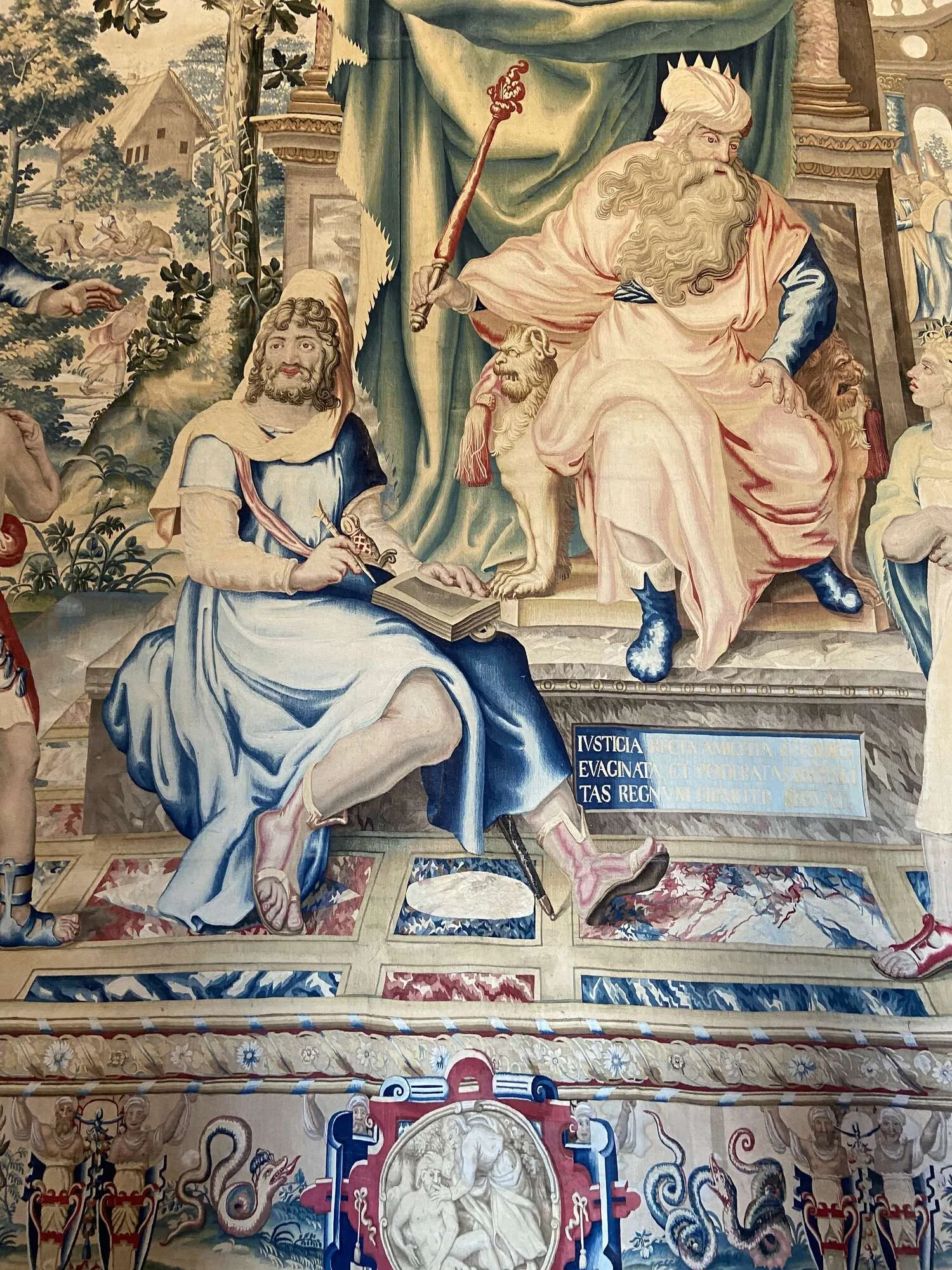
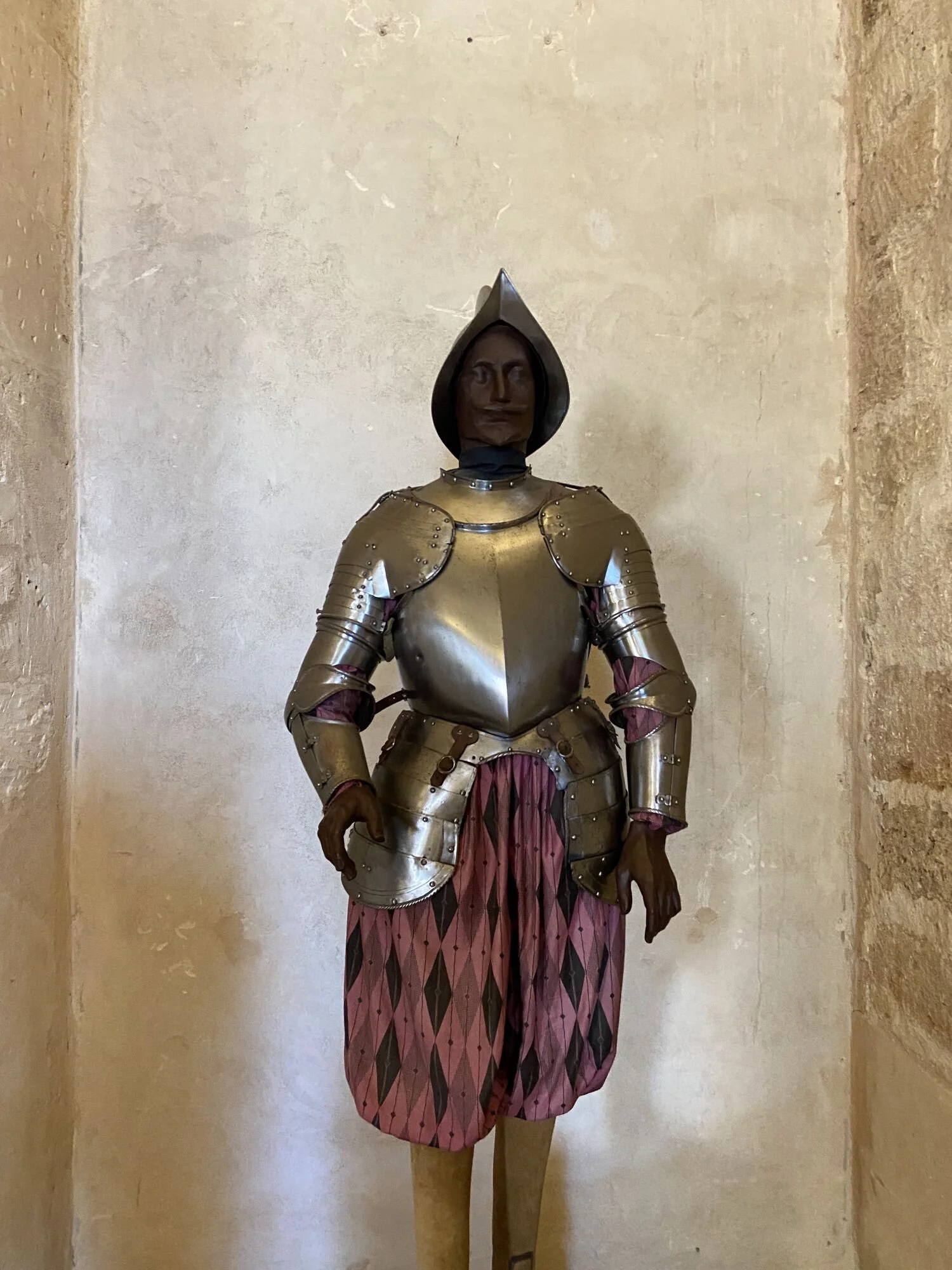
Why base yourself in Palma
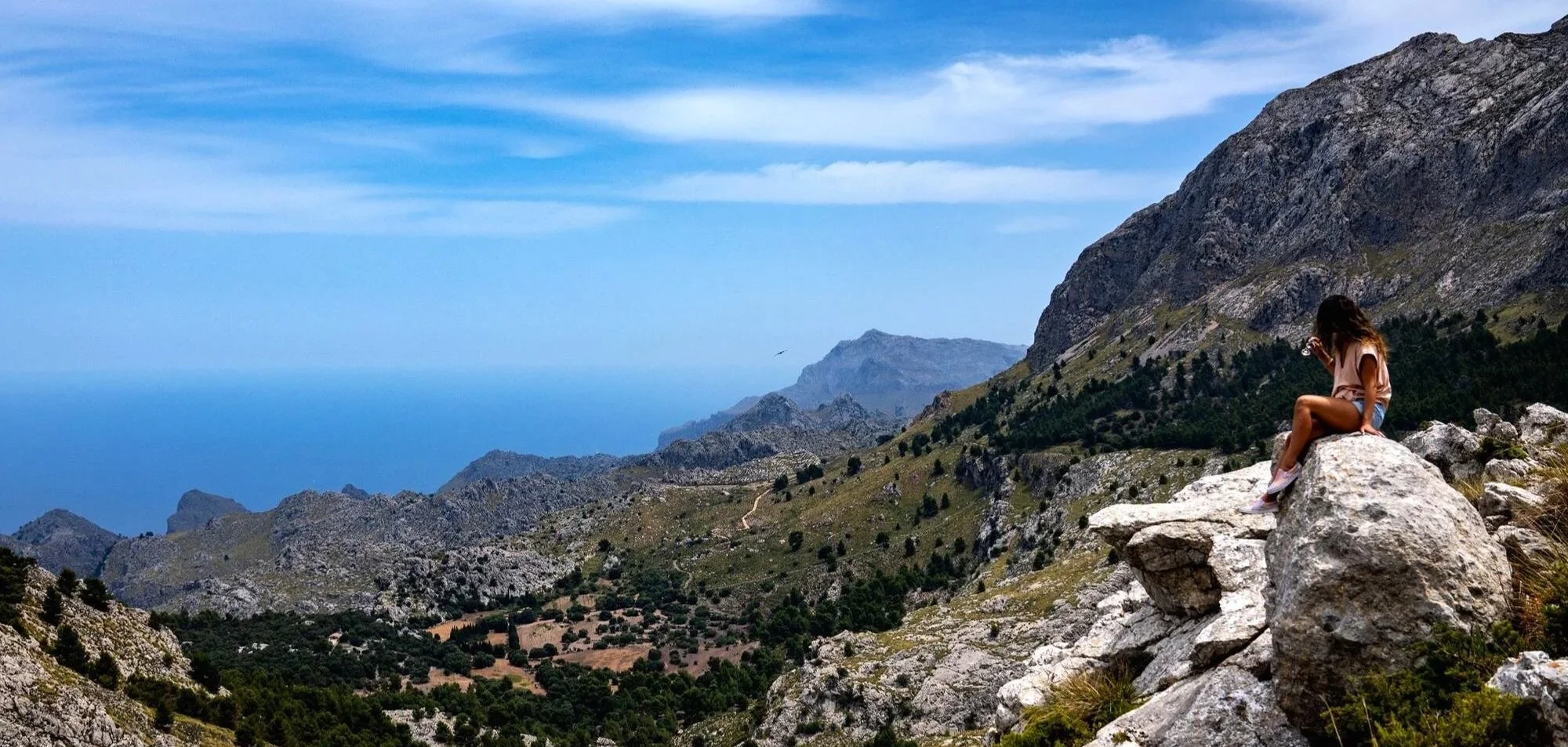
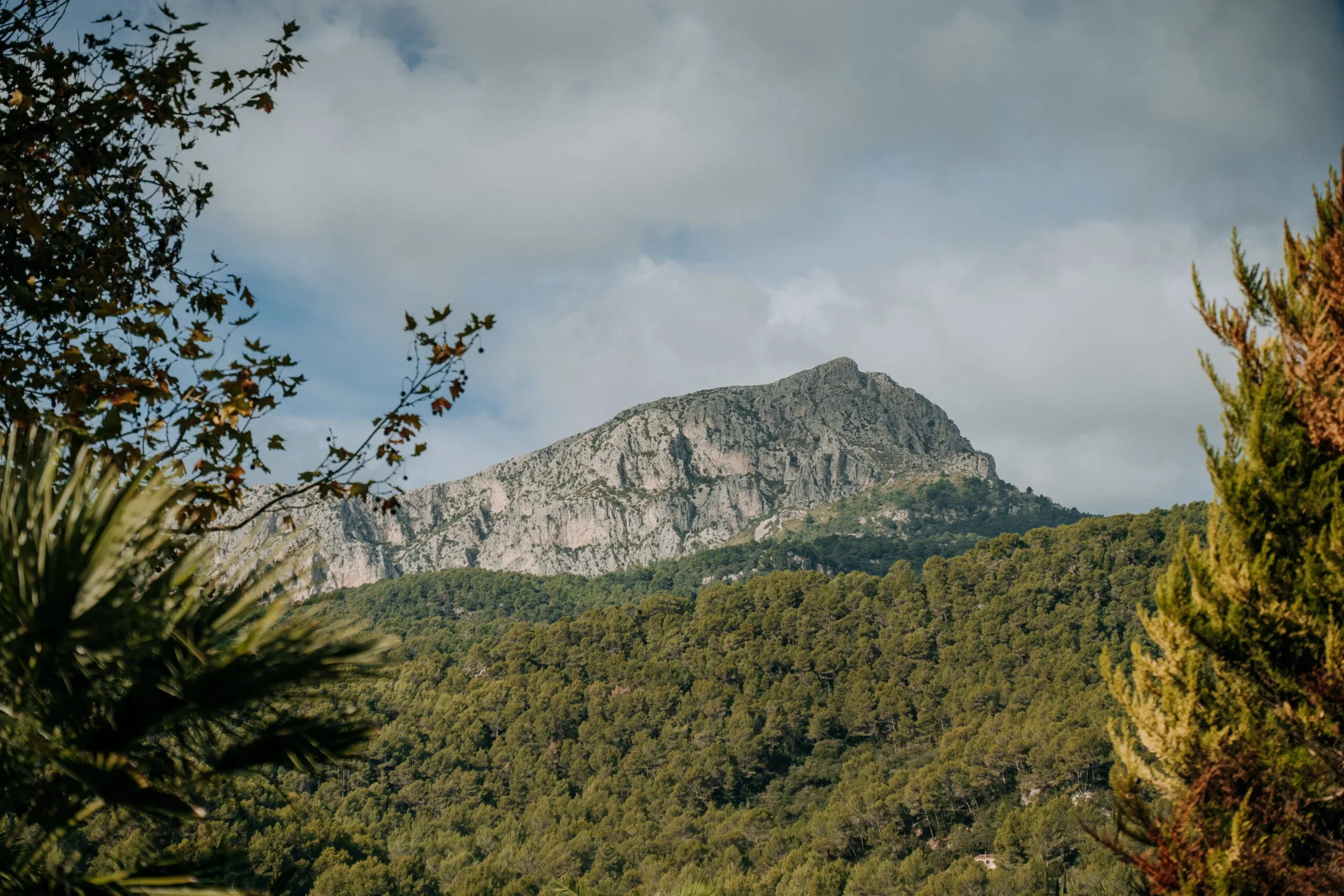
Palma is the capital of Mallorca and the easiest base on the island. The airport is about 20 minutes from the old town by car. The Sóller train leaves from Plaça Espanya, a short walk from the old town, and Valldemossa is about 30 minutes away by road. Pollença, in the north, is about 50 minutes away, but you will not mind the drives in Mallorca. The majestic Tramuntana mountains frame the northwest of the island. Do not miss Orient, Bunyola and Esporles: they are not the most famous towns, but they are the real deal when it comes to Tramuntana culture.
Green and yellow fields run through the middle of Mallorca, dotted with romantic towns like Sineu, Montuïri and Maria de la Salut, where everyday life moves at the pace typical of the Mallorcan people. Mallorca is the largest island in Spain, so there are miles of coastline and sea views all around the island. Get your own car and drive the island; there is always another coastal town or beach to explore.
In the evenings you are back in the old town. Have dinner in the old town or try out Santa Catalina, once the old quarter of fishermen and sailors and for years one of the rougher parts of Palma. Today it is the coolest neighbourhood in the city, full of boho bars, cafés, small design shops and restaurants. Much of that change came from the Swedish community that moved in, bought businesses and renovated the old houses, adding their Scandi touch to the low, colourful streets. Its heart is still the Mercat de Santa Catalina, the oldest market in the city, where locals do their shopping and you can stop for a glass of wine and fresh seafood at the counters. The neighbourhood is dotted with old windmills, and one of them now houses Es Molí, an intimate techno club. Right beside them is Sabotage, an indie bar with live music and DJs. The area also has cafés, restaurants and some of the best sunset views over the bay.
If you have more than a week, add two or three nights in Pollença or the Tramuntana at the end. Sarah has collected here some of our favourite hotels in Mallorca, but I wanted to add a favourite of mine.
Where to stay in Palma: Can BORDOY
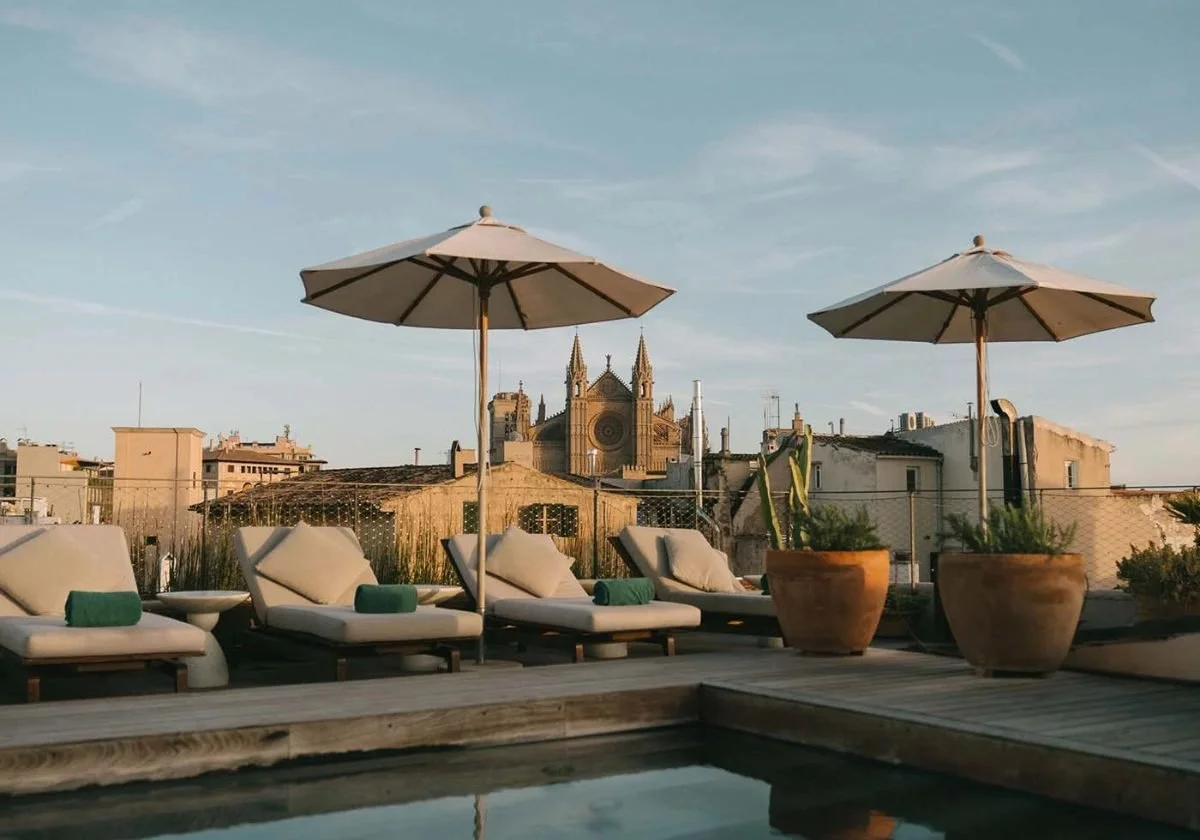
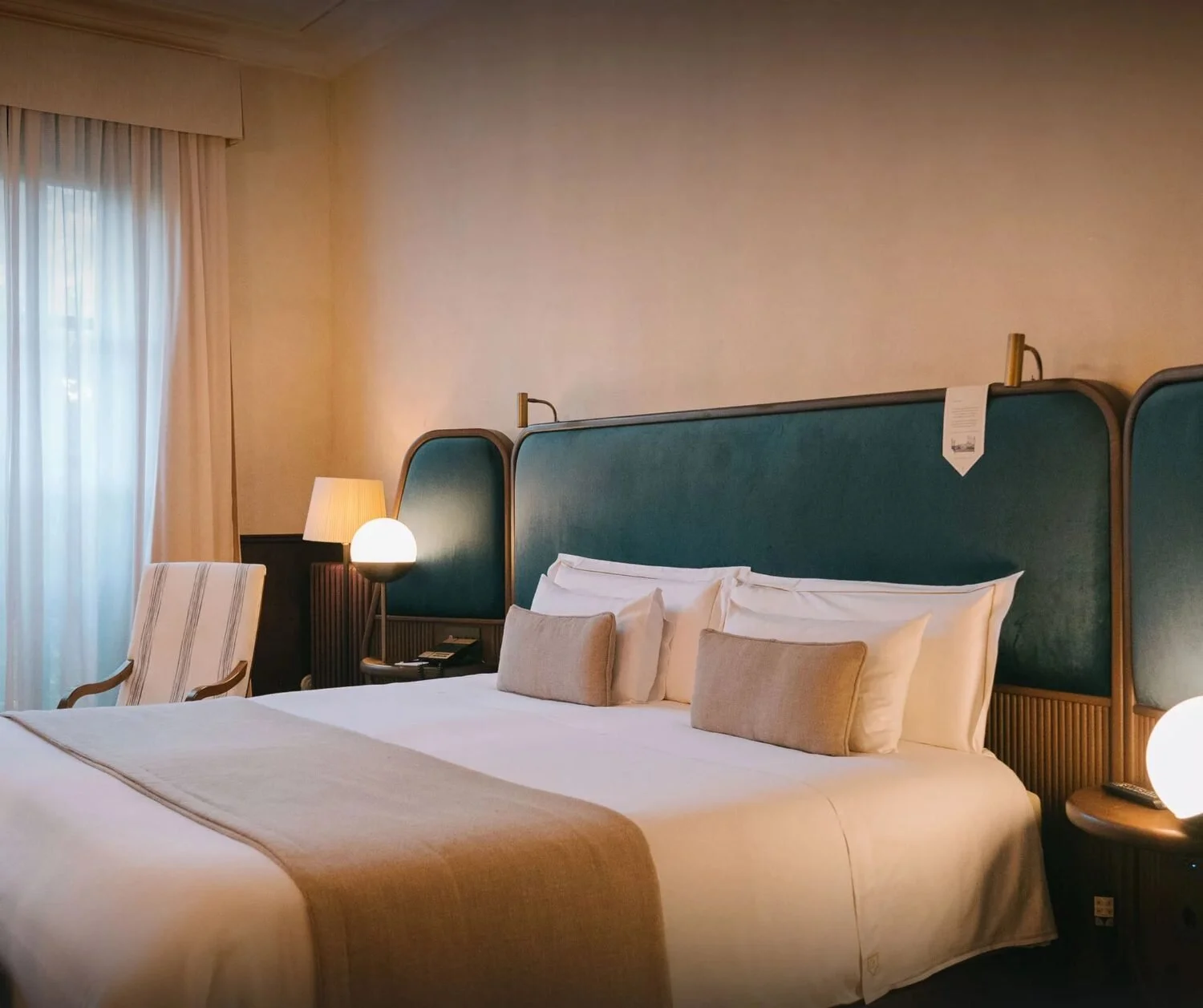
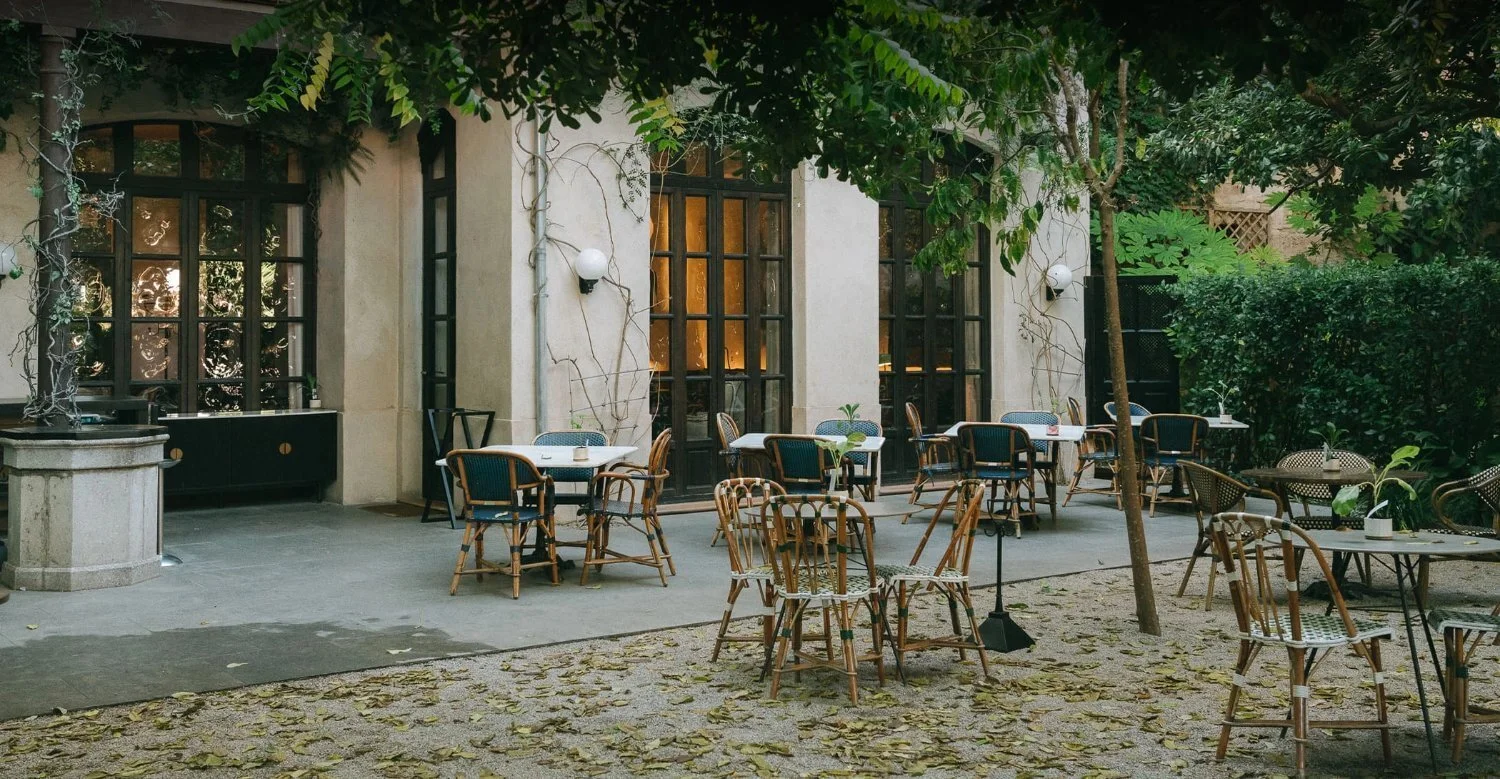
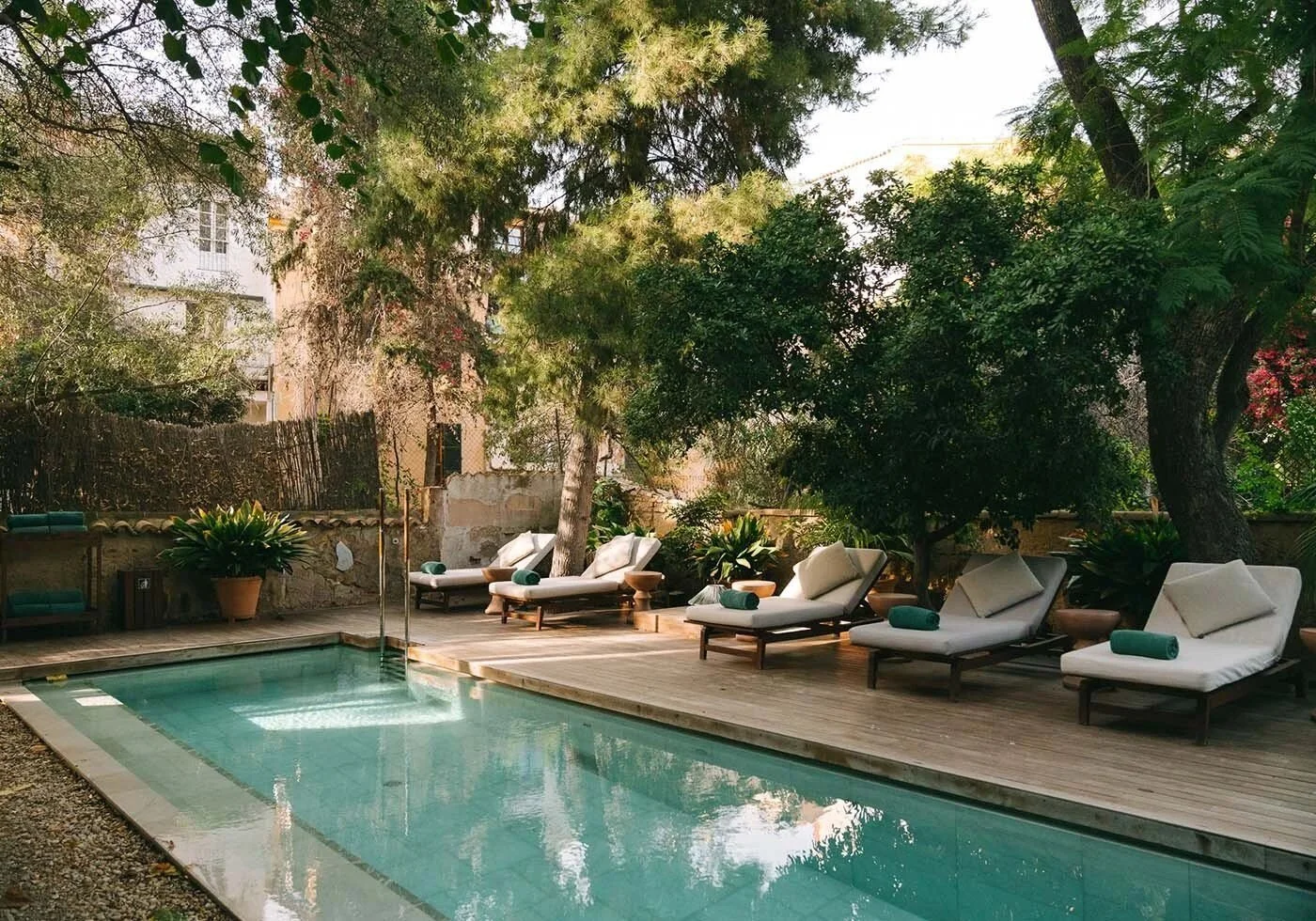
Can Bordoy is a 16th century palace hidden on a narrow street in La Llotja, the kind of door most people walk straight past (lucky for those of us who know). I had the chance to spend time with the family who own it and the architects who brought it back to life. So much intention went into this house that you see it everywhere: the old stone walls they kept, the beds and bars they designed for each of the 24 suites, every little detail. The courtyard garden and its pool are where it really feels like a palace. It is the largest private garden in central Palma, with more than 70 plant species, and Botànic, the restaurant, serves some of my favourite meals in the city under its trees (do not leave without having dinner there). Then you go up to the rooftop pool, look out over the roofs of the old town, and only then do you remember you are in the middle of the city. The spa is small but beautiful, set within stone walls that date back to the 12th century.
Things to Do in Mallorca
A hosted walk through Palma. Start with a local guide who knows the old town inside out (and all the shortcuts). Duck into the hidden courtyards of the old palaces, visit the Arab Baths, and wander through the Call, the old Jewish quarter, past modernist gems like Can Forteza Rey. The walk ends with a tasting of sobrasada, Mallorcan cheese and ensaimada. A little known story: the ensaimada takes its name from saïm, pork lard. After the Christian conquest, the Islamic and Jewish communities of the island came under heavy pressure to convert, and legend has it that eating pork in public, an ensaimada included, became a way for converts to show their new faith. In Mallorca, the past still lives in the kitchen.
Shopping on the Born and lunch at La Rosa. Spend the morning on the Passeig del Born, the tree lined boulevard of Palma, and under the arcades of Jaume III, where local boutiques sit alongside the big names. The little side streets around it are where the real finds are: concept stores, Mallorcan designers and handmade espadrilles and baskets. When your bags get heavy, head to La Rosa Vermutería, a great spot in the old town. It is a Palma institution with a fun vibe, serving the classics, patatas bravas, tortilla and croquetas, with local wine or, even better, a vermouth. Due to popular demand, they have now opened a second one, La Rosa Catalina, on the edge of Santa Catalina.
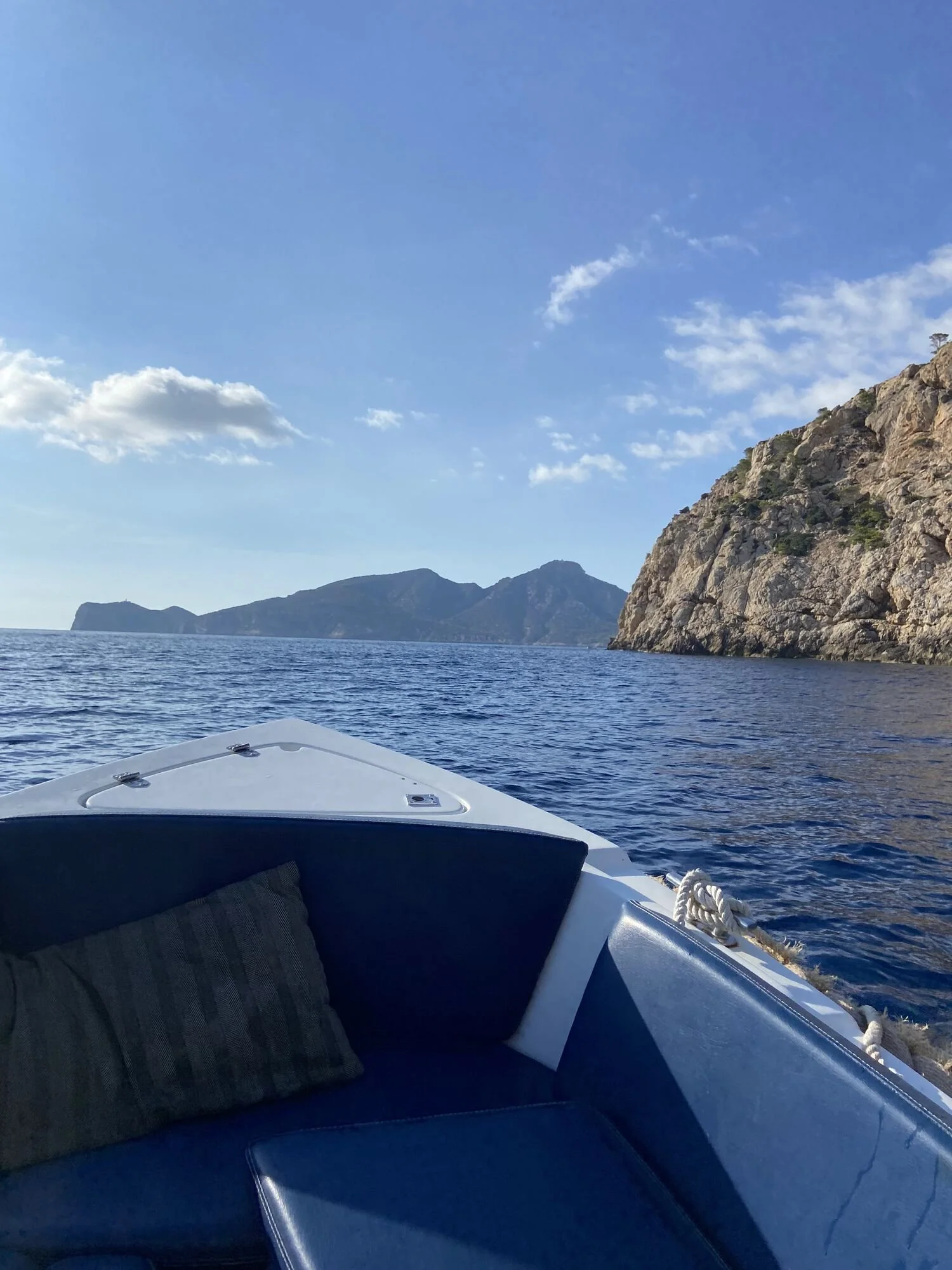
A day on the water. If you only do one thing in Mallorca, make it this. Spend the whole day on a private boat, stopping in calas you can only really reach from the sea, and jumping in to swim and snorkel in clear waters. Lunch is at a little seaside restaurant: fresh fish, a paella with allioli on the side, and to finish, a glass of hierbas mallorquinas, the local herbal liqueur, served ice cold. The cava, wine and snacks then keep coming on board for the rest of the day. Everyone has an opinion on the best side of the island for a charter. Mine is the north, from Pollença out to the cliffs of Formentor. The locals will tell you Colònia de Sant Jordi in the south, with the Cabrera islands on the horizon, and honestly, they have a point.
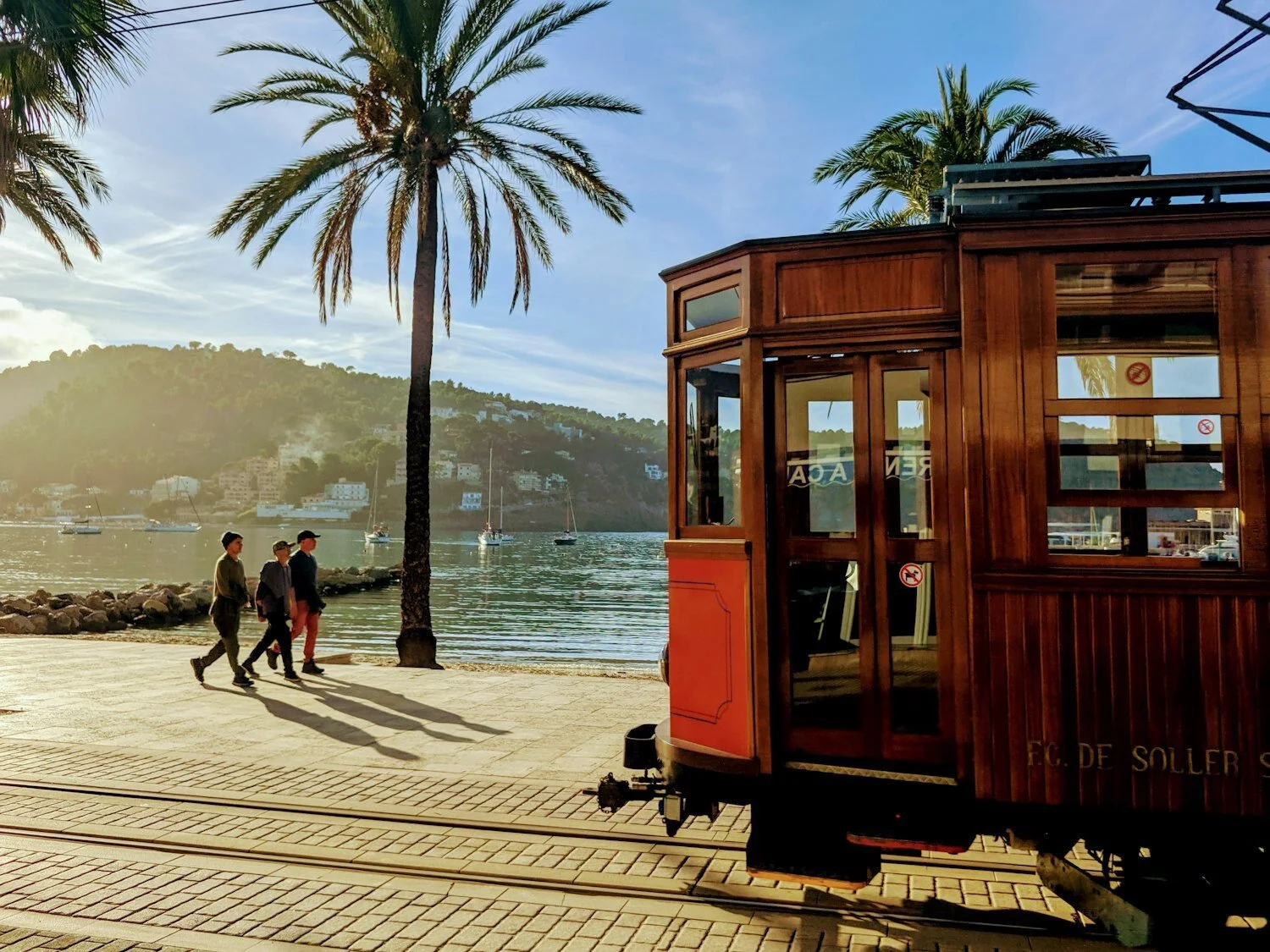
The Sóller train. The wooden Sóller train has been running from Plaça Espanya since 1912, and it takes about an hour to cross the Tramuntana, through olive groves and 13 tunnels. In Sóller, sit in the main square for a coffee, then take the old tram down through the orange groves to Port de Sóller. For lunch, sit down at Ses Oliveres, right on the seafront promenade with the old tram rattling past. It is all about fish, seafood and rice dishes, and I always order the arroz meloso with the famous Sóller red prawns. Fernandete is the friendliest waiter on the planet and will take the best care of you.
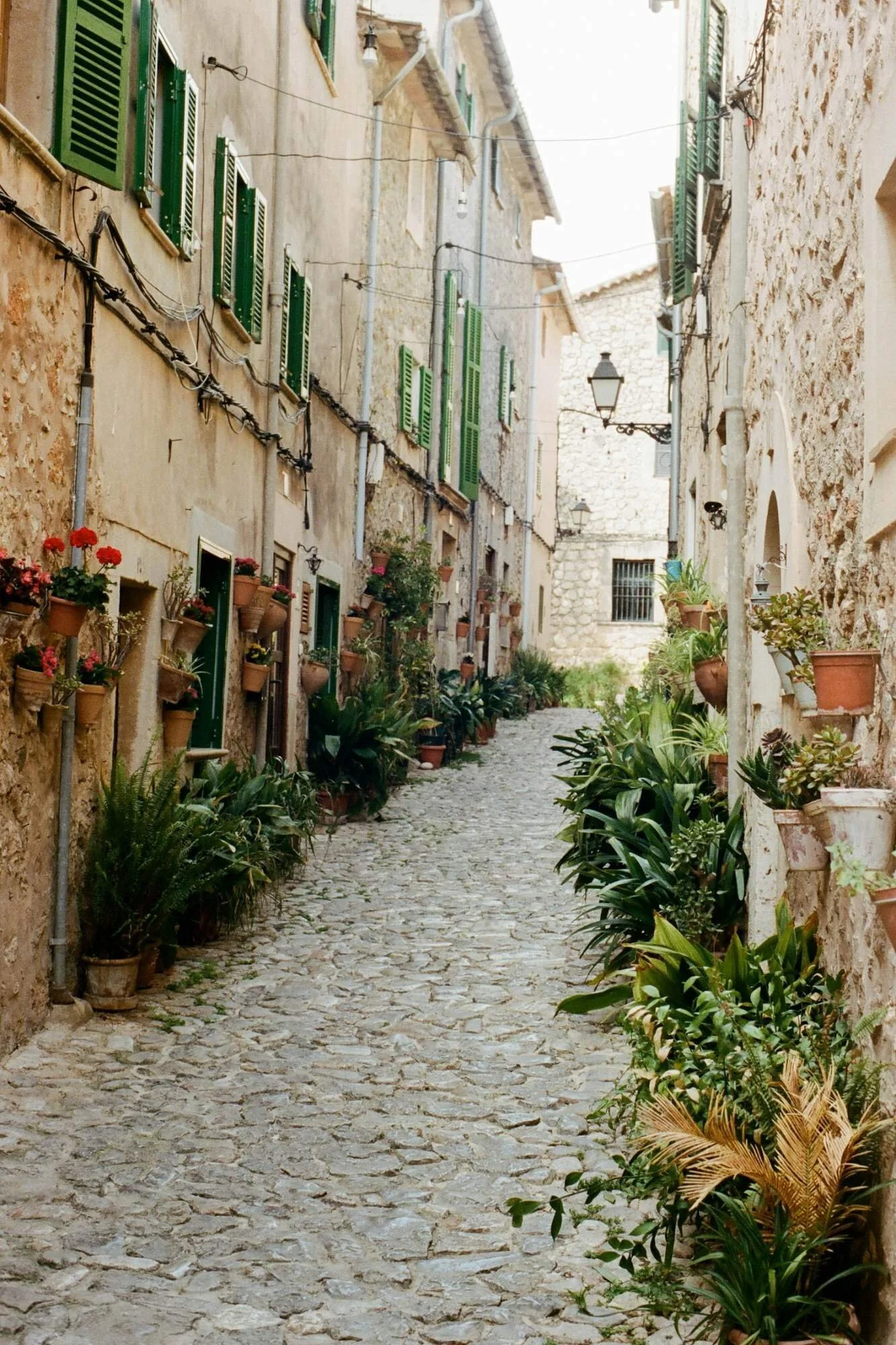
Valldemossa. Valldemossa is a must see on the island, a stone village of narrow streets and green shutters, set into the Tramuntana. In the winter of 1838, Frédéric Chopin and the writer George Sand rented a cell in the old Carthusian monastery here, where Chopin finished his Preludes. They were not the last to fall for this corner of the island. The poet Rubén Darío spent the winter of 1913 at the monastery, and just down the road in Deià, Robert Graves made his home from 1929 until his death in 1985. His house is now a museum. The best way to see Valldemossa is on foot. A private guide takes you along the old paths above the village, through olive terraces with the Tramuntana on one side and the sea on the other, at whatever pace suits you. If you visit at the end of August, do not miss the Nit de l’Art, a very special night when the artists and artisans of the village open their galleries and studios and the streets fill with art, music and performances. Words do not do it justice.
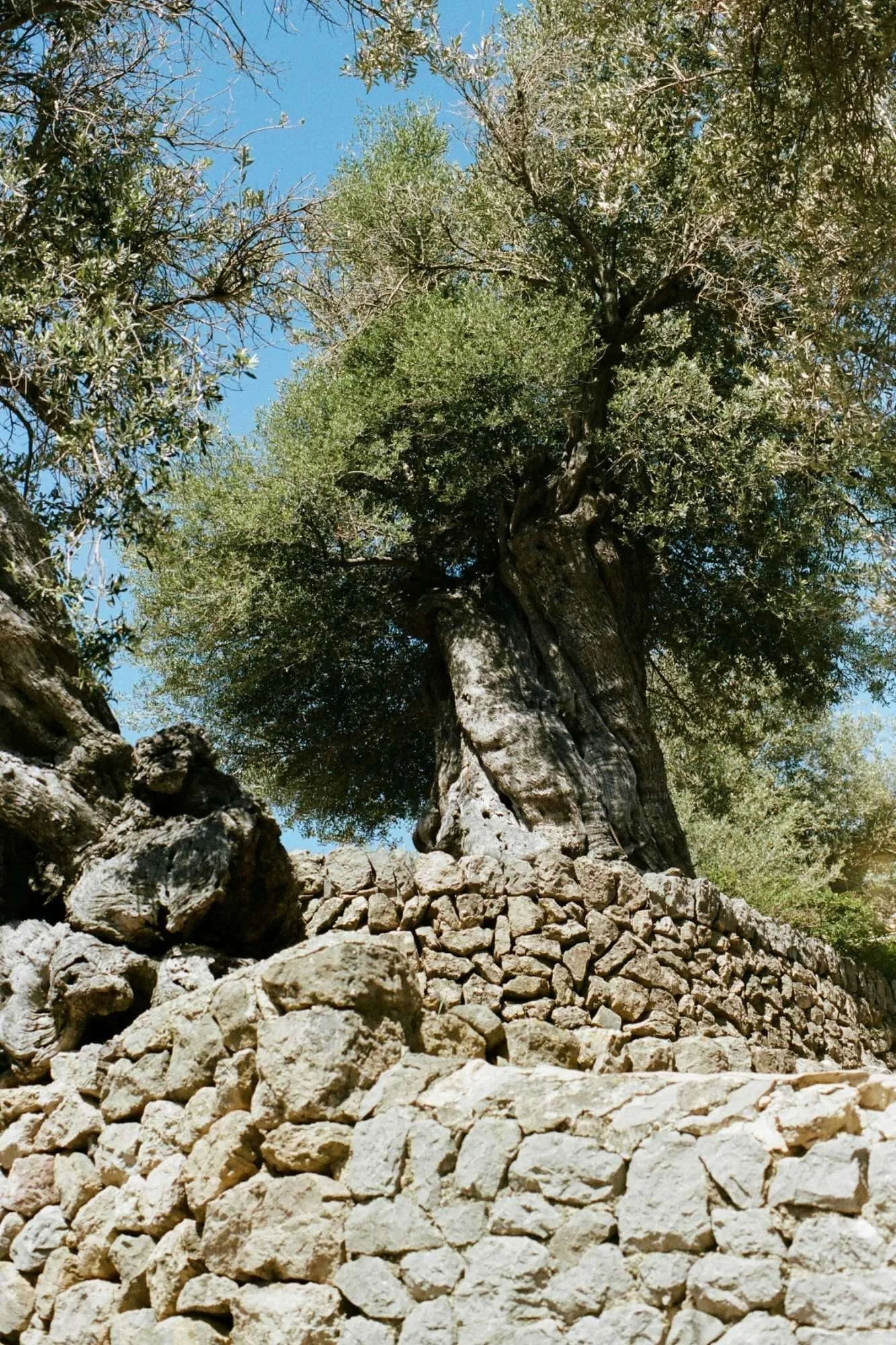
Son Moragues. Just outside Valldemossa, Son Moragues is an olive estate whose groves go back centuries. You walk among the old trees, learn how olive oil has shaped life on the island, and finish with a tasting of their organic extra virgin olive oil with local bread and cheese. It is one of the most authentic experiences on the island, and you will want to bring a bottle home.
The Best Beaches and Hidden Spots in Mallorca
Every first trip to Mallorca has its list: Palma, Deià, Sóller, the beaches everyone posts. These are the other places, the ones I go back to again and again. They have not gone viral (yet), and they show you a side of the island most people miss on their first visit.
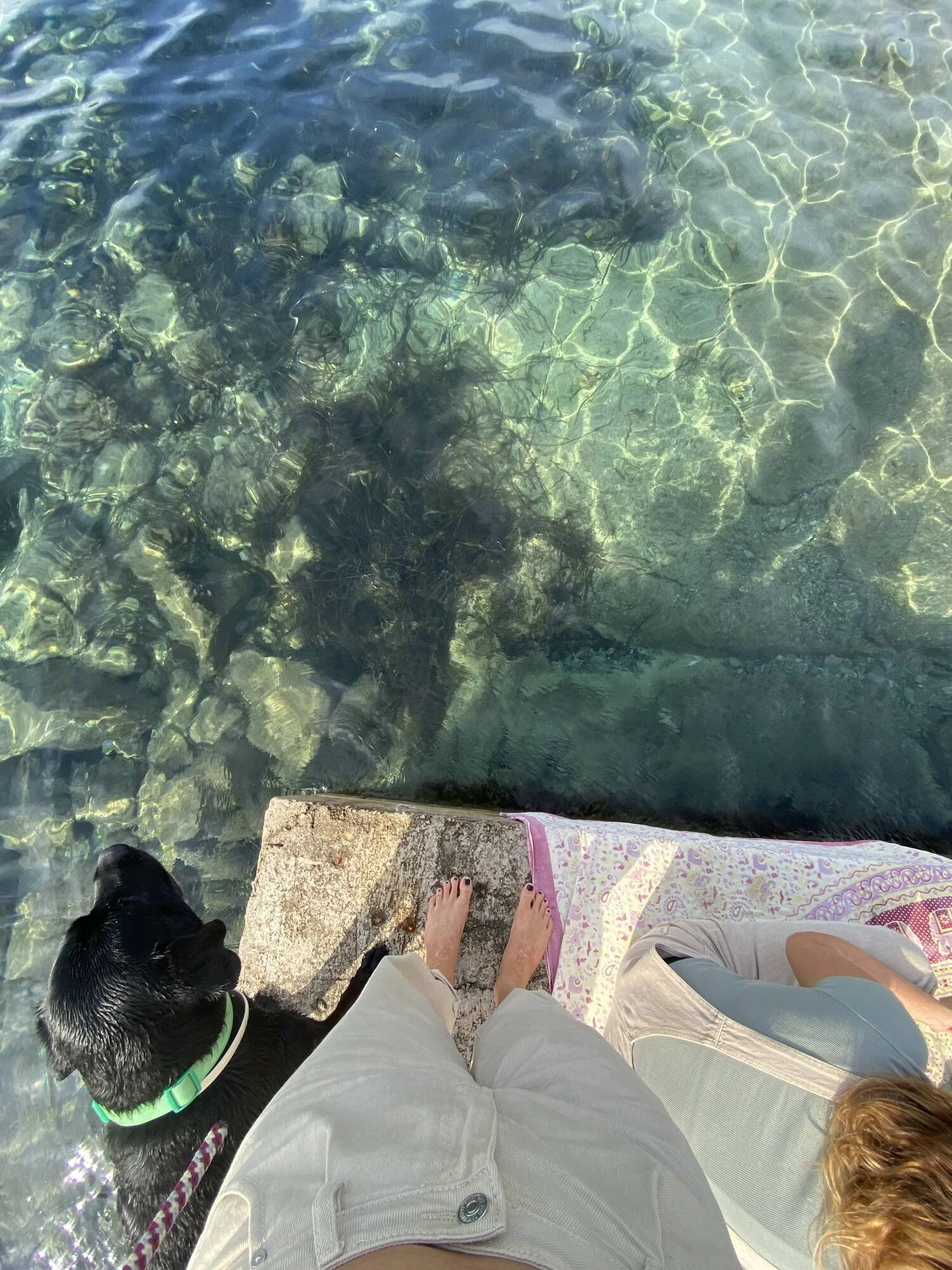
Port de Valldemossa. Port de Valldemossa is a tiny fishing village at the bottom of the cliffs below Valldemossa, with one restaurant and not much else. The drive down is beautiful but not for the faint hearted, a narrow road that winds all the way to the sea. Es Port has been there since 1969, a traditional Mallorcan restaurant with great fresh fish, and I always order the paella. It is not the most typical paella in the world, but it is one of my favourites. There is no beach, just steps that take you straight into the clearest water you will ever swim in.
Cala Tuent. Cala Tuent is a beach of crystal clear water in a beautiful sheltered bay, right next door to Sa Calobra, one of the most famous beaches on the island. Think of Cala Tuent as its calmer little sister: the same mountains and the same turquoise sea, without the crowds. It is a bit of a drive, along the same winding road down to Sa Calobra, but once you are there it is peaceful and absolutely lovely for spending the day. A short walk up from the beach is Es Vergeret, set in an old farmhouse with a big terrace looking over the whole cove. They have been serving paellas, rice dishes, fresh fish and traditional Mallorcan food for over 40 years, dishes like tumbet and frit mallorquí. Above the restaurant is an apartment for up to ten people, and staying the night is the best way to have the cove to yourself once the day trippers have gone home.
Sant Elm. Sant Elm is a small seaside town on the west coast, close to Port d’Andratx, and it is just so pretty, with benches spread all along the main street and incredible views right out to sea. There are plenty of restaurants serving seafood, and the most famous is Es Raor. This is also the place to get out on the water. You can rent a small boat and drive it yourself, but I would recommend a full day charter. From the boat you see the Sa Dragonera nature reserve, the little islet of Es Pantaleu, Cala Basset, and the cliffs toward Port d’Andratx.
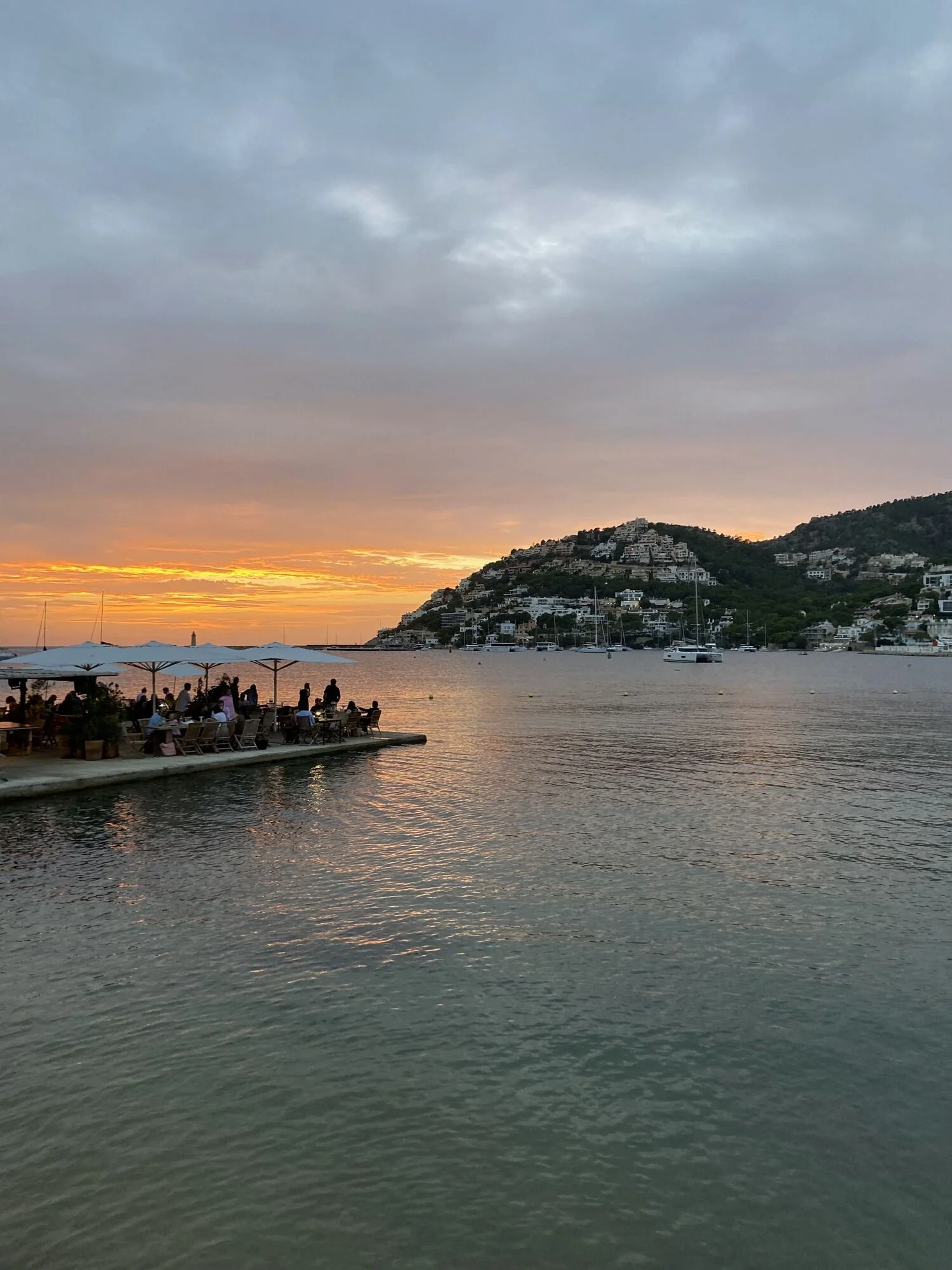
Port d’Andratx. Port d’Andratx is a great place to walk around, sit in the cafés by the water and people watch. The hills around the bay are lined with some of the largest houses on the island, and many of them can be rented. It is also a natural harbour, so if you are arriving by boat, this is the place to moor. Do not miss Tim’s Bar, a local institution on the port. From May to October its balcony hosts live music on Wednesday and Sunday evenings, and on Saturday nights a silent party where everyone sings along. If you are feeling active, hike La Trapa, one of the best hikes in the area. The trail climbs to the ruins of a monastery that Trappist monks built in the 19th century, with views over Sa Dragonera.
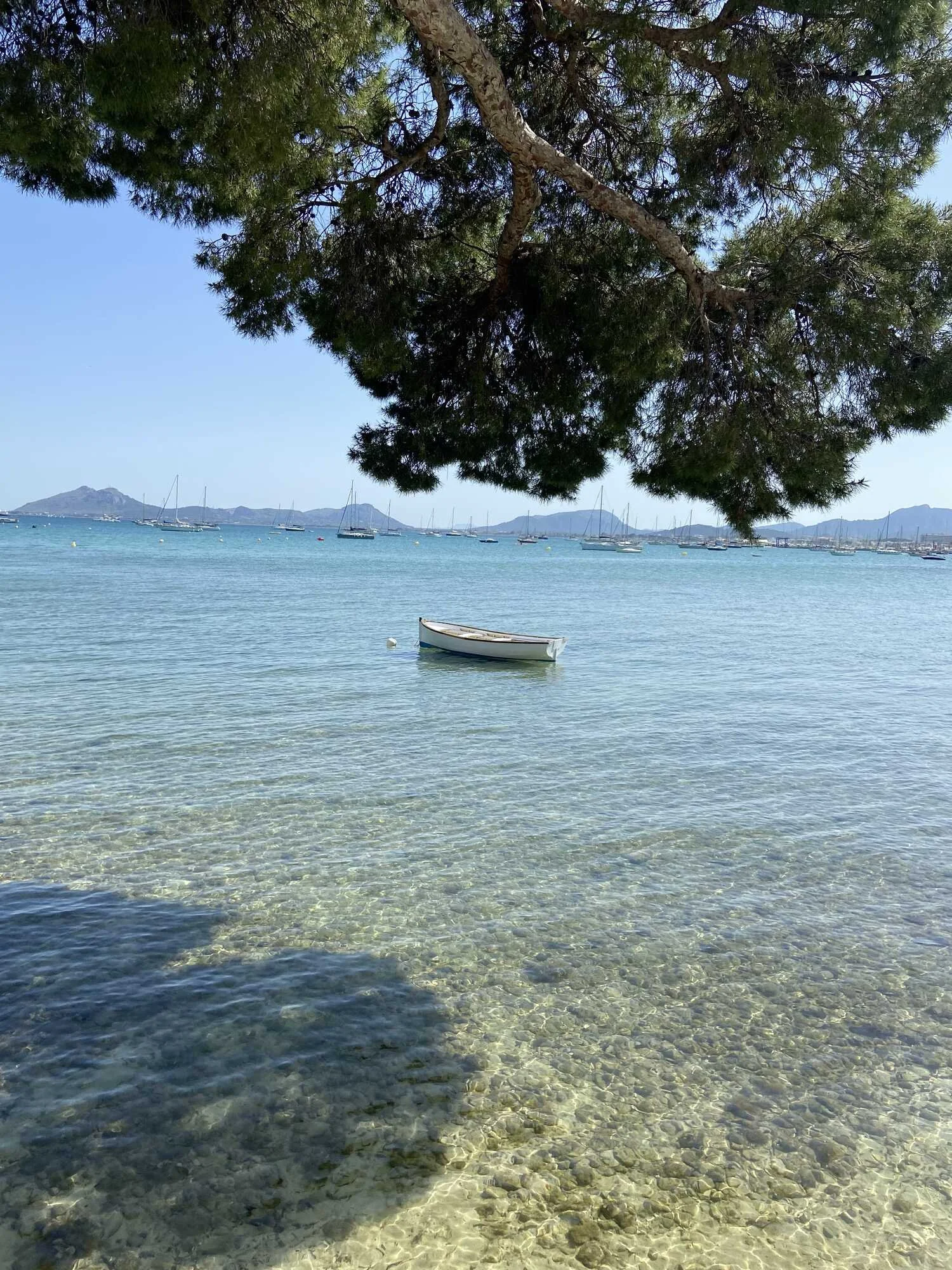
Pollença and Port de Pollença. I would not miss either. Pollença town is traditional and lively, with a traditional Mallorcan flair you do not find anywhere else on the island, and the mountains feel close enough to touch. The drive there is lovely. On the way, stop at the ruins of Pollentia, near Alcúdia, the Roman city founded at the same time as Palma, where you can still walk along the old streets and sit in the little Roman theatre. Port de Pollença sits on a scenic bay that you can walk all the way around. The water is calm because the bay shelters it, so it is a great place to swim. From there the drive out to Formentor is incredible, although private cars are now restricted in summer. Out on the peninsula is the Four Seasons, which took over the old Hotel Formentor, open since 1929, and reopened it after a full restoration.
Son Serra de Marina to Betlem. Son Serra de Marina has a long beach with the mountains behind it, and the whole coast from there to Betlem is worth exploring. Artà, the town nearby, is full of artists and galleries. This corner of the island is probably the least discovered by the masses.
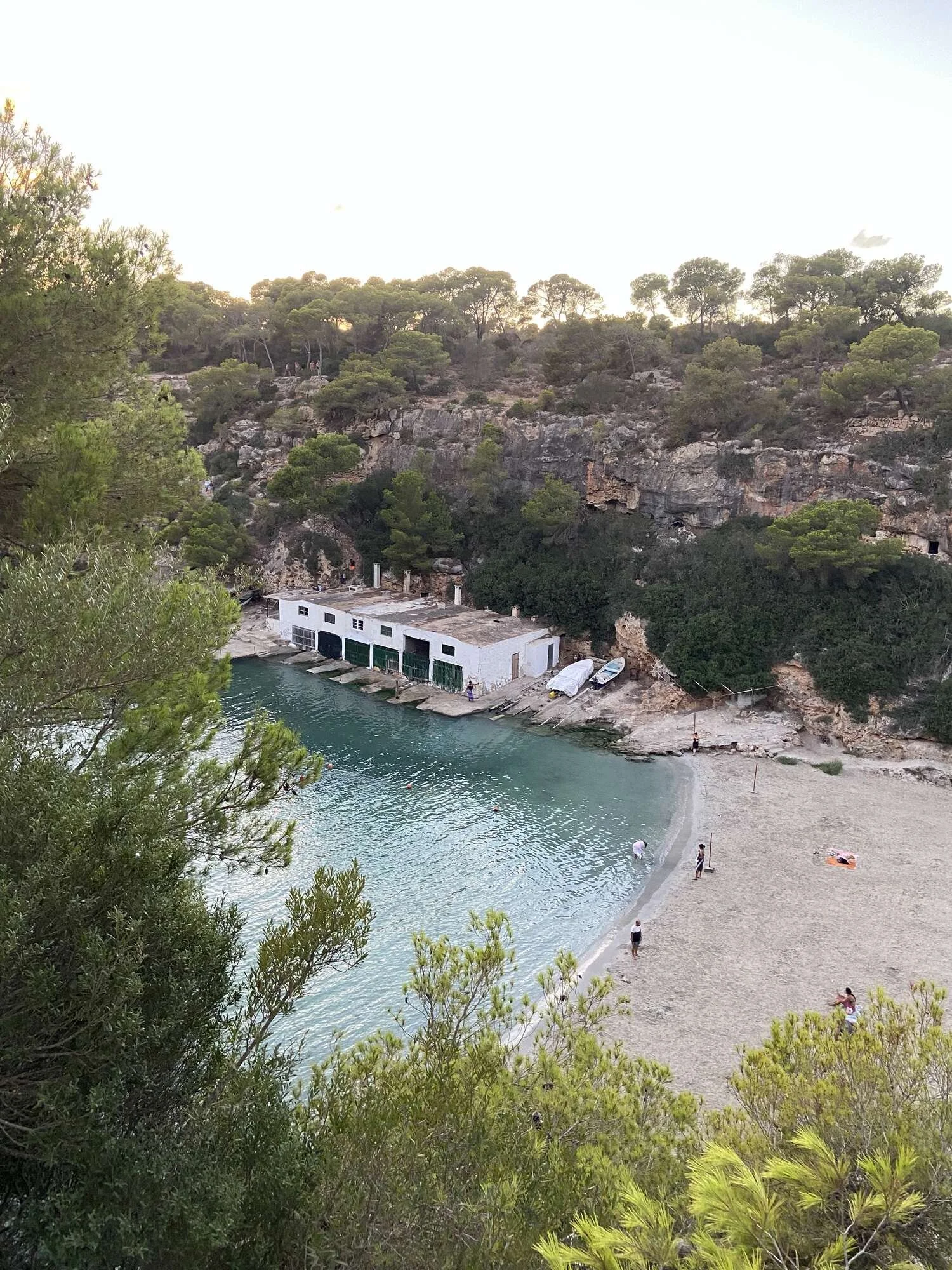
Cala Pi. The drive to Cala Pi crosses the flat south of the island, and the road along the cliffs is beautiful. Cala Pi itself is a small cove beach with turquoise water and a row of old fishing boathouses, guarded by a watchtower built in the 17th century to look out for pirates. Inland, on the road from Llucmajor, is Capocorb Vell, a Talaiotic settlement with five stone towers built by the first inhabitants of the island, and one of the most important prehistoric sites in Mallorca. Further east, Cap Blanc has a lighthouse at the edge of the cliffs, and the little fishing village of S’Estanyol is a good stop for lunch by its marina. Sunsets on this side are incredible. People gather at Refugi de s’Àguila for a drink as the sun goes down. It is not fancy at all, just pa amb oli, salads and homemade cakes (bring cash), but it is the real thing.
Es Trenc. Es Trenc is one of the best beaches in Mallorca, and on a good day the water is so clear and turquoise you would think you were in the Caribbean. It is a really long beach, so it is great for walking along the shore, and it is the kind of place where you can spend the whole day: bring something to eat, find your spot and just bask in the sun. For lunch, sit down at 5illes Beach & Sunset in Ses Salines, right on the sand at the Colònia de Sant Jordi end of the beach. The rice dishes are excellent, and you can stay on for sunset over the sea towards Cabrera. Or head to Bar Esperanza, just above the beach in Ses Covetes.
Just behind the beach are the Salines d’Es Trenc, the salt flats where salt has been harvested for more than 2,000 years. The white salt pans sit inside a protected nature reserve, and you might see pink flamingos wading in the shallow water. Join a guided visit to see how the salt is still harvested by hand, and take home some of their flor de sal, the delicate salt crystals that chefs across Europe cook with. It comes plain or flavoured, with black olive, hibiscus or curry. For dinner, drive a few minutes inland to Molí de Sal, set in an old mill on the road to Colònia de Sant Jordi. In summer you eat out in the garden, with wines from their own land, and its little shop sells the Es Trenc salts to take home.
Where to Stay Out of Palma: Ca’s Xorc
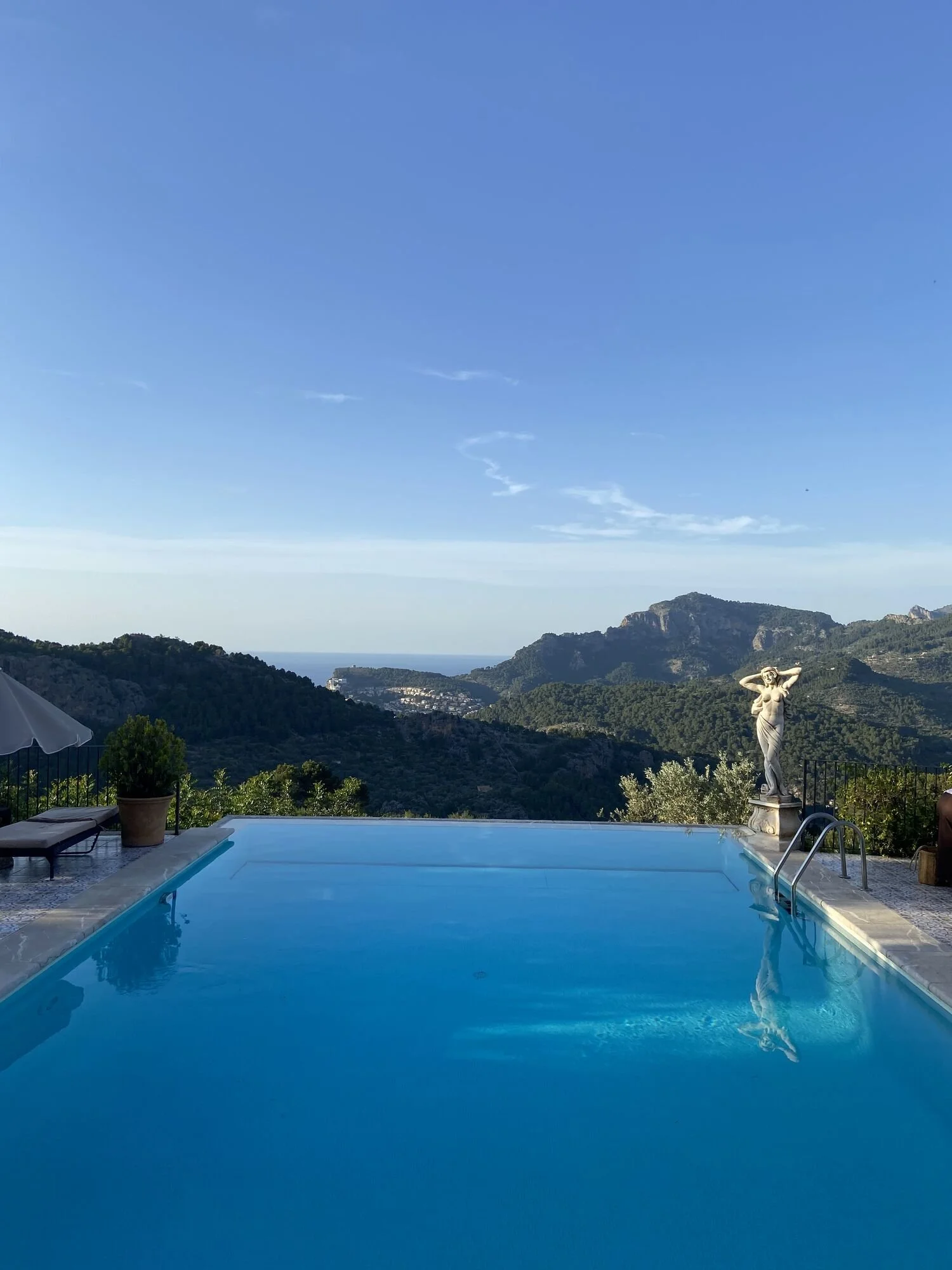
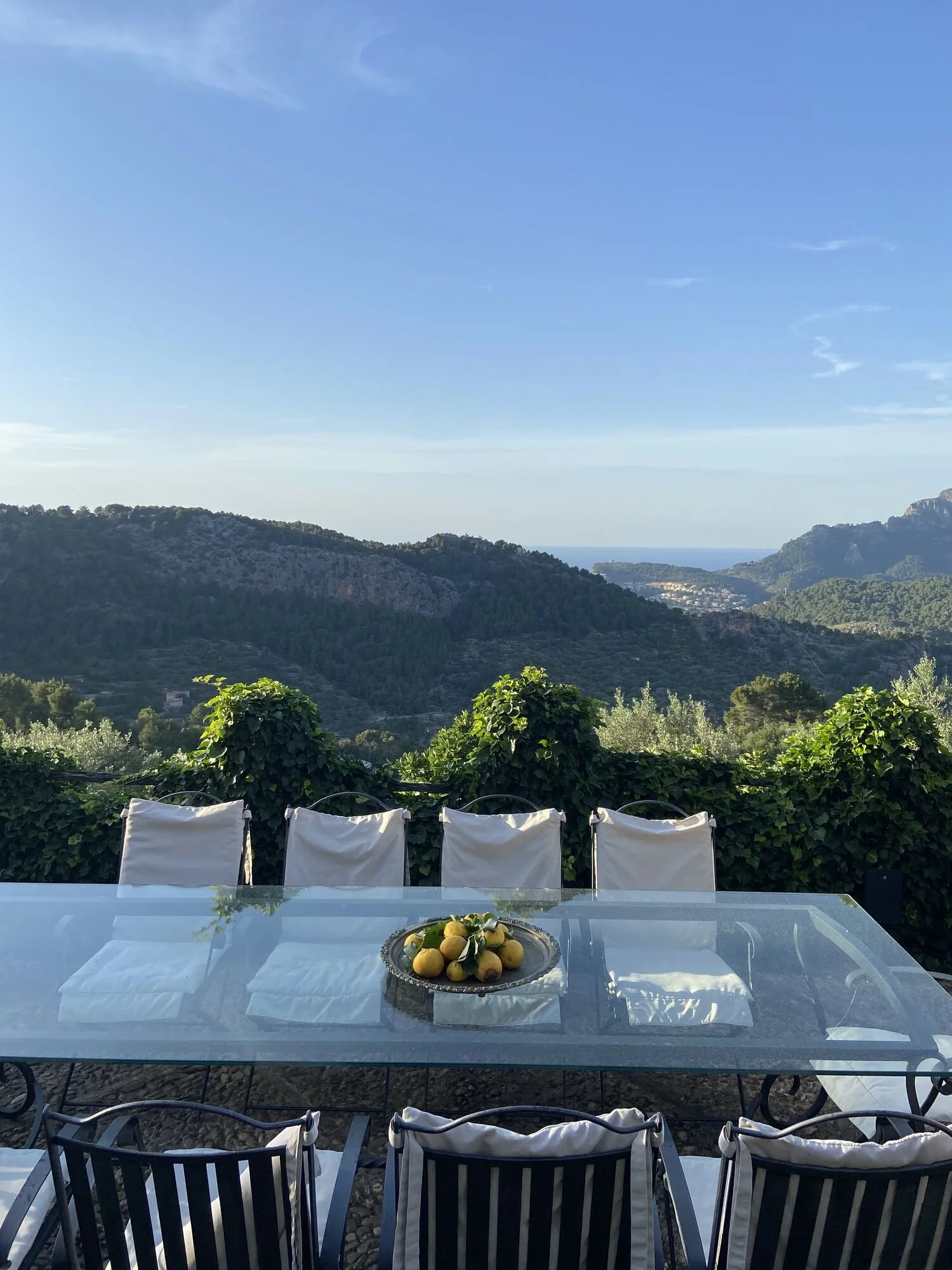
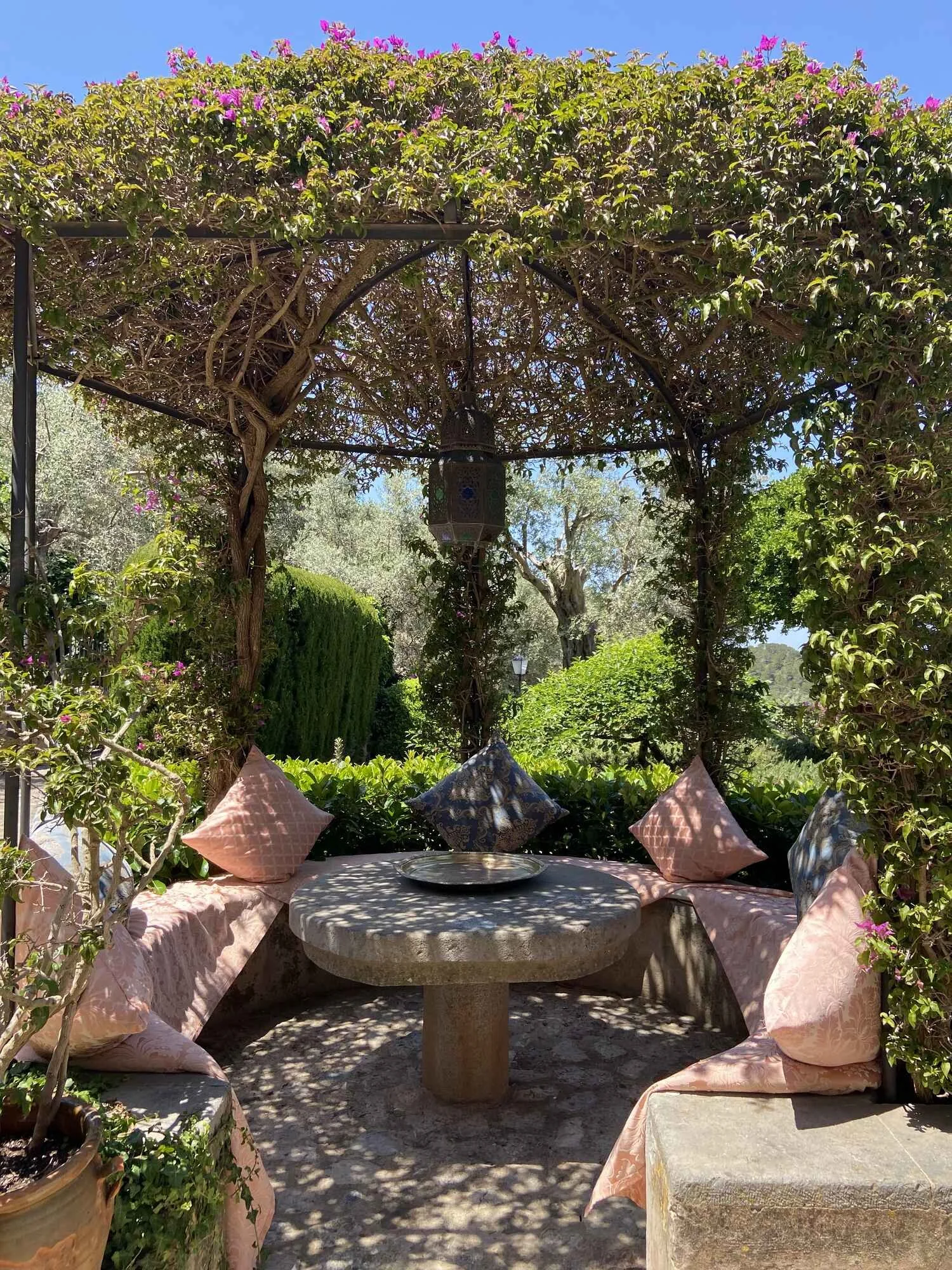
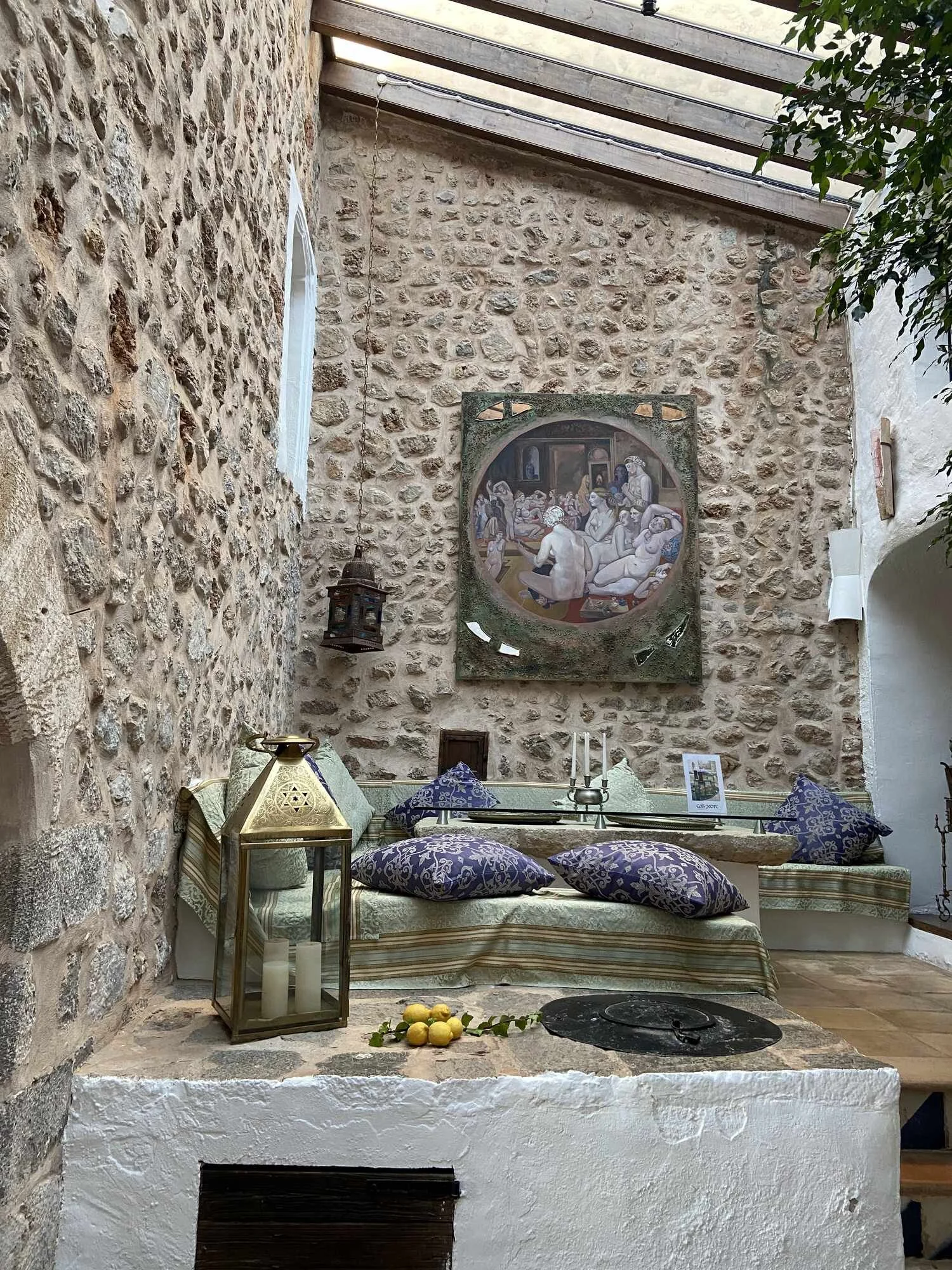
Ca’s Xorc is an old olive mill in the hills above Sóller, surrounded by lemon and olive groves, with the valley falling away below you all the way to the sea. The family who own it restored the finca in 1998 and kept so much of its history, the thick stone walls, the old mill rooms and the little corners under the bougainvillea, that it still feels like a private country house. There are only 13 rooms and two garden cottages, and it is adults only, so it is very peaceful. The pool is the star: you swim looking straight down the valley to the Mediterranean. Dinner is on the terrace at Barretes, their restaurant, which grows its own herbs and vegetables in the garden, and sunset there is one of my favourite moments on the island. Port de Sóller is only ten minutes away by car, and Palma airport is about 40 minutes.
Practical notes
Getting there. Palma airport is only 15 to 20 minutes from the old town, and it is amazingly well connected. In summer, around 170 destinations across Europe fly direct, so from most European cities you are only a couple of hours away. From the United States, United flies direct from Newark between late May and late October. The rest of the year, connecting through Madrid, Barcelona or London is easy.
When to go. I would always recommend the shoulder seasons. From April to June the island is green and it is warm enough for long lunches outside. September and October are my favourite: the sea is still warm from the summer, the crowds have gone home, and the light is golden. July and August are beautiful but very busy (and very hot). Winter is slow and calm, with fewer places open, but it is when Mallorca feels most like home.
Getting around. In Palma you do not need a car, as the old town is best explored on foot. For day trips, a car or a private driver makes all the difference. Some of the best spots, like Port de Valldemossa or Cala Pi, are hard to reach any other way. The Sóller train is the exception, and the most beautiful way to get to Sóller.
Questions and Answers
How many days do you need in Mallorca? A week is perfect for a first trip. It gives you time for Palma, the Tramuntana, a day on the water and a lazy beach day. With ten days you can add a few nights in the north, around Pollença, or up in the mountains above Sóller. You will still leave with a list for next time, I promise.
Where is the best place to stay in Mallorca? It depends on the trip you want. Palma is the best base for a first visit: everything is within about an hour, and you have the best restaurants on your doorstep. For mountains and slow mornings, stay around Sóller or Deià. For long sandy beaches, head north to Pollença or south near Es Trenc.
Is Palma worth visiting, or should I go straight to the beach? Palma is worth it, and it is so much more than a stopover. Give it at least two days for the Cathedral, the old town, Santa Catalina and a rooftop sunset. Most people who skip it wish they had not.
What are the best beaches in Mallorca? For Caribbean colours, Es Trenc. For a cove wrapped in mountains, Cala Tuent. For calm, shallow water, the bay of Pollença or Sóller. And for swimming straight off the rocks, Port de Valldemossa, Cala Deià or Banyalbufar. The truth is that some of the best ones you can only reach by boat, which is why I always recommend a day on the water.
What should I eat in Mallorca? Start the day with an ensaimada, and try sobrasada, the soft and spreadable local sausage, on fresh bread. Order pa amb oli for a simple lunch, tumbet and frit mallorquí for something traditional, and a seafood paella by the sea. Finish with a glass of Mallorcan wine. The island has two wine regions, Binissalem and Pla i Llevant.
What language do they speak in Mallorca? Spanish and Catalan, and on the island you will hear Mallorquí, the local version of Catalan. English is widely spoken in Palma and in most hotels and restaurants. Still, a “bon dia” goes a long way.
Is Mallorca worth visiting in winter? Yes, if you like it calm. Some beach restaurants and hotels close, but Palma stays open all year and the hiking is at its best. In late January and February the almond trees blossom and the whole island turns white and pink.
Is Mallorca just a party island? Not at all. The party towns are a very small part of the island. Most of Mallorca is mountains, olive groves, farming villages and hidden coves. Stay away from Magaluf and S’Arenal and you will find the Mallorca the locals love.
A Never Ending Love Story
I came for a year and stayed for more than six, and I still spend half of every year there (rolling stones and all). Sarah and I actually met in Mallorca, and neither of us has managed to leave completely. Every time I go back I discover something new. It is a never ending love story. So come for a week, head out to the mountains, the calas and a paella by the sea, and do not be surprised if one week turns into six years.
