

Botswana
In Botswana, the wrong camp means the wrong safari, and I know which ones actually deliver.
RECOMMENDED STAY
Ideal Duration
STARTING PRICE
Per Person Per Day
IDEAL MONTHS
Best Time to Visit
$1,800+
8+ days
may-oct
Low Volume, High ValueONE OF THE LAST TRULY WILD PLACES
Botswana built its entire tourism model around restraint, fewer camps, fewer vehicles, more space for the animals and the silence between sightings. The Okavango Delta floods every year into one of the richest ecosystems on earth, best explored by mokoro, a traditional dugout canoe, gliding past elephants and hippos at water level. Further north, Chobe holds the largest concentration of elephants in Africa. It's a country that could easily crowd itself with visitors and chose not to, which is exactly why it still feels the way it does.


WHEN TO GO to Botswana
Botswana runs May to October, and the timing question matters more here than almost anywhere I plan. June to October is the dry season, and it's the best window for wildlife. Water disappears from the bush, animals concentrate around the Delta, the Chobe River and the pumped pans, and you see lion, leopard, elephant and wild dog without working for it. It's also the most expensive window; peak rates from July, and the good camps sell out six to twelve months ahead.
The counterintuitive part: the Okavango floods in the dry season. Water from Angola's rains reaches the Delta in June and peaks in July and August, so you get the dry-season game viewing and the full Delta at the same time. That's why July to September is the trip most people should take if dates allow only one.
January to March is the green season. Fewer people, lower rates, dramatic skies, excellent birding, and the Delta calving but animals scatter, cats are harder to find, and some camps close. I send clients here when the priority is the landscape and the quiet rather than ticking off sightings.
April and May are the shoulder: green, emptying, still good. October is hot, dry and superb for predators, right before the rains break.
HOW it FITS TOGETHER
You don't drive Botswana. The Delta is water and sand with no road signs, the distances between reserves are long, and the whole point of the country's model is low vehicle numbers. Trips run on light aircraft between camps, with a hard luggage limit of 20kg in a soft bag; pack for a safari, not a holiday.
The shape that works: three nights in the Okavango Delta, three in the Linyanti or Savuti, two or three on the Chobe River front. Eight days minimum, ten is better, and three nights per camp rather than two. A two-night stay means you arrive, do one full day, and leave. Each area does something different: the Delta for water-based game viewing by mokoro and boat, Linyanti and Savuti for predators and the elephant corridor, Chobe for the largest elephant concentration on earth. Add the Kalahari or the salt pans only in the green season, when the zebra migration makes them worth the flight.
Then there's the choice that matters more than the map: a camp inside the national park, or a private concession next door. Concessions cost more and give you off-road driving, night drives and walking and, crucially, your own guide and vehicle rather than sharing with strangers. That's the upgrade I'd spend the budget on before upgrading the room.
WHAT A DAY COSTS
Private safaris in Botswana start at around $1,800 per person per day, and unlike most places, that figure is close to all-in: camp rates usually cover accommodation, all meals, drinks, laundry, game drives, walking and boat activities, and park fees. Peak season in the Delta and Linyanti at the top camps runs higher. What it doesn't cover: international flights, light-aircraft transfers between camps (budget $300–600 each), visas, insurance and gratuities.
Two honest notes. Botswana is expensive because it deliberately limits beds — that's why the sightings are what they are, and there's no cheaper version that's also good. And the difference between a $1,200 camp and a $2,500 camp is rarely the tent; it's the guiding, the vehicle ratio and how much land the camp has to itself.
Where to go in
botswana

Okavango Delta
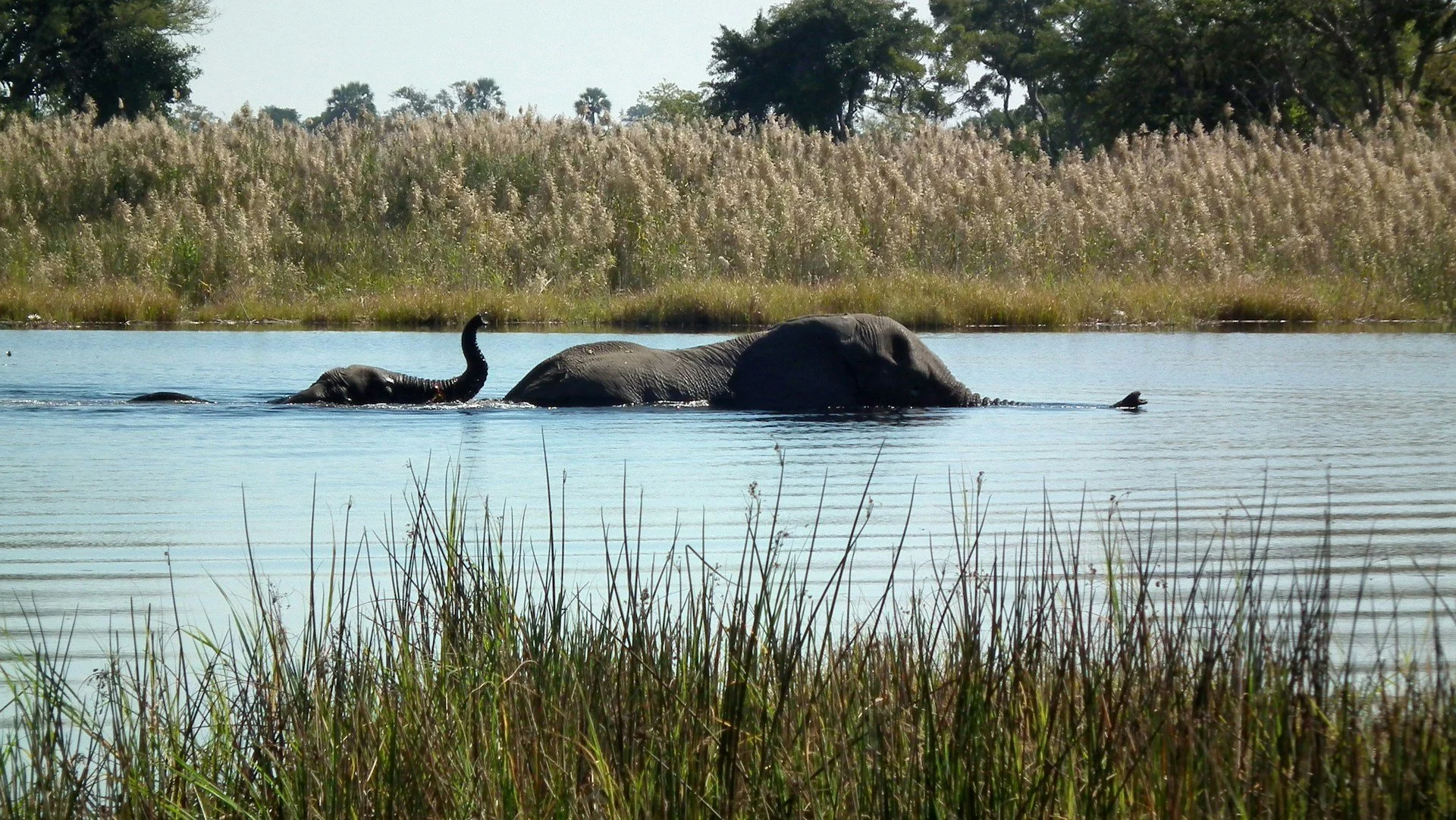
A UNESCO World Heritage Site and one of the richest ecosystems on earth, the Delta floods seasonally into a maze of channels and islands, best explored by mokoro at water level, gliding silently past elephants, hippos, and an extraordinary range of birdlife.
Linyanti & Savuti
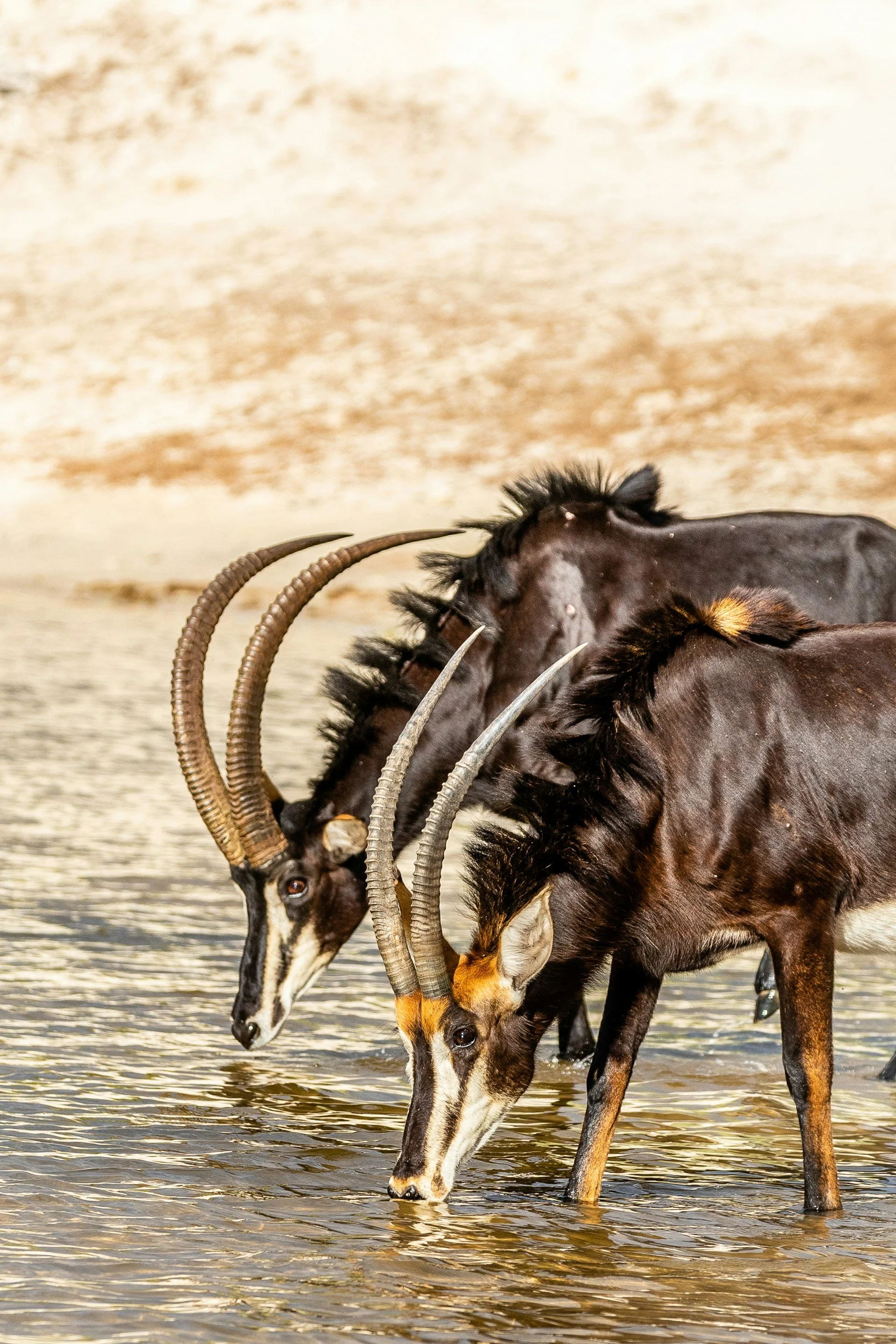
Known as the elephant corridor between four countries, this remote northern region offers some of Botswana's best walking safaris, wilder, quieter, and further off the standard circuit.
Chobe National Park
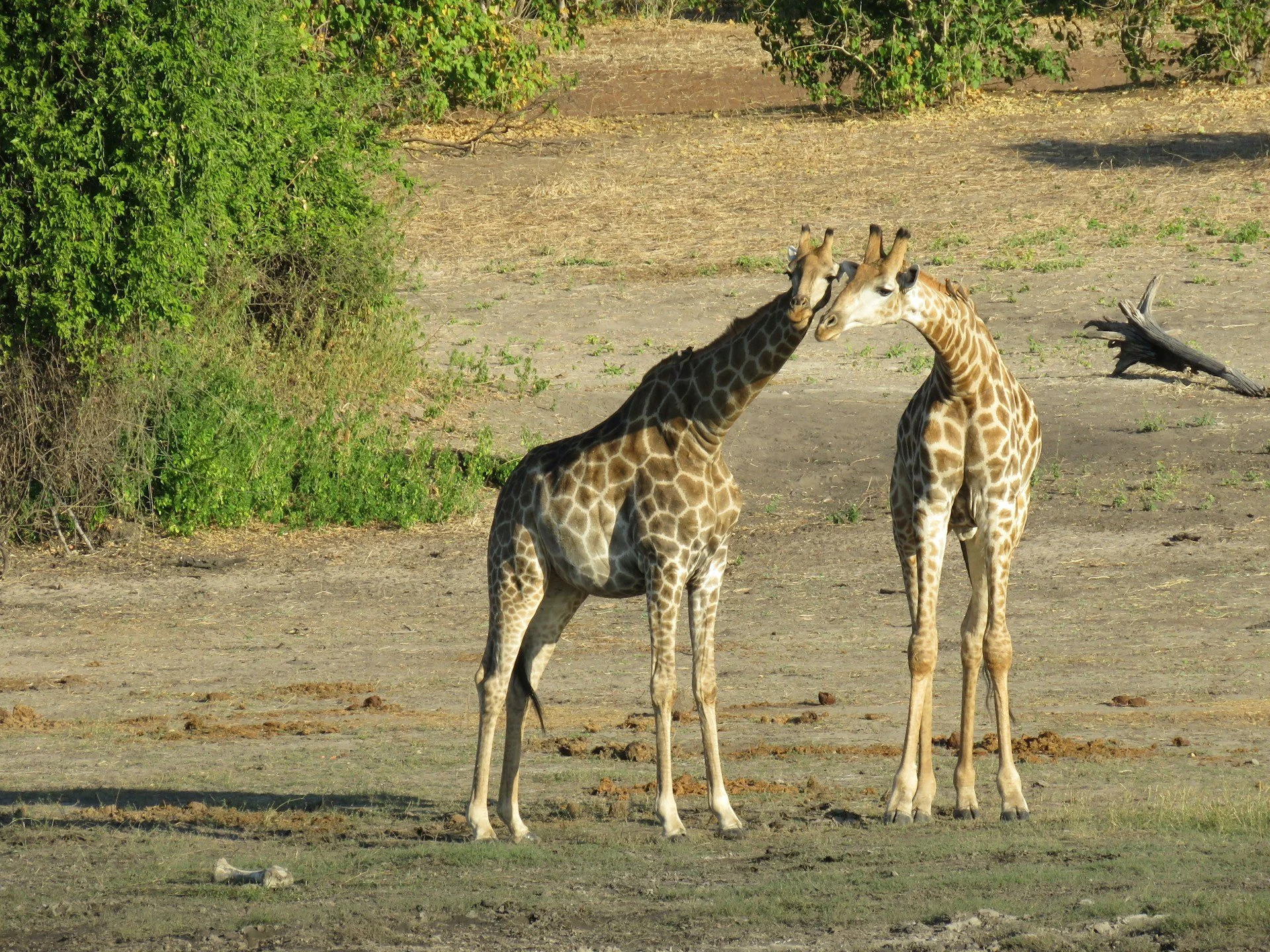
Home to the largest concentration of elephants in Africa, herds numbering in the thousands move along the Chobe River in scenes that are genuinely difficult to describe until you've seen them.
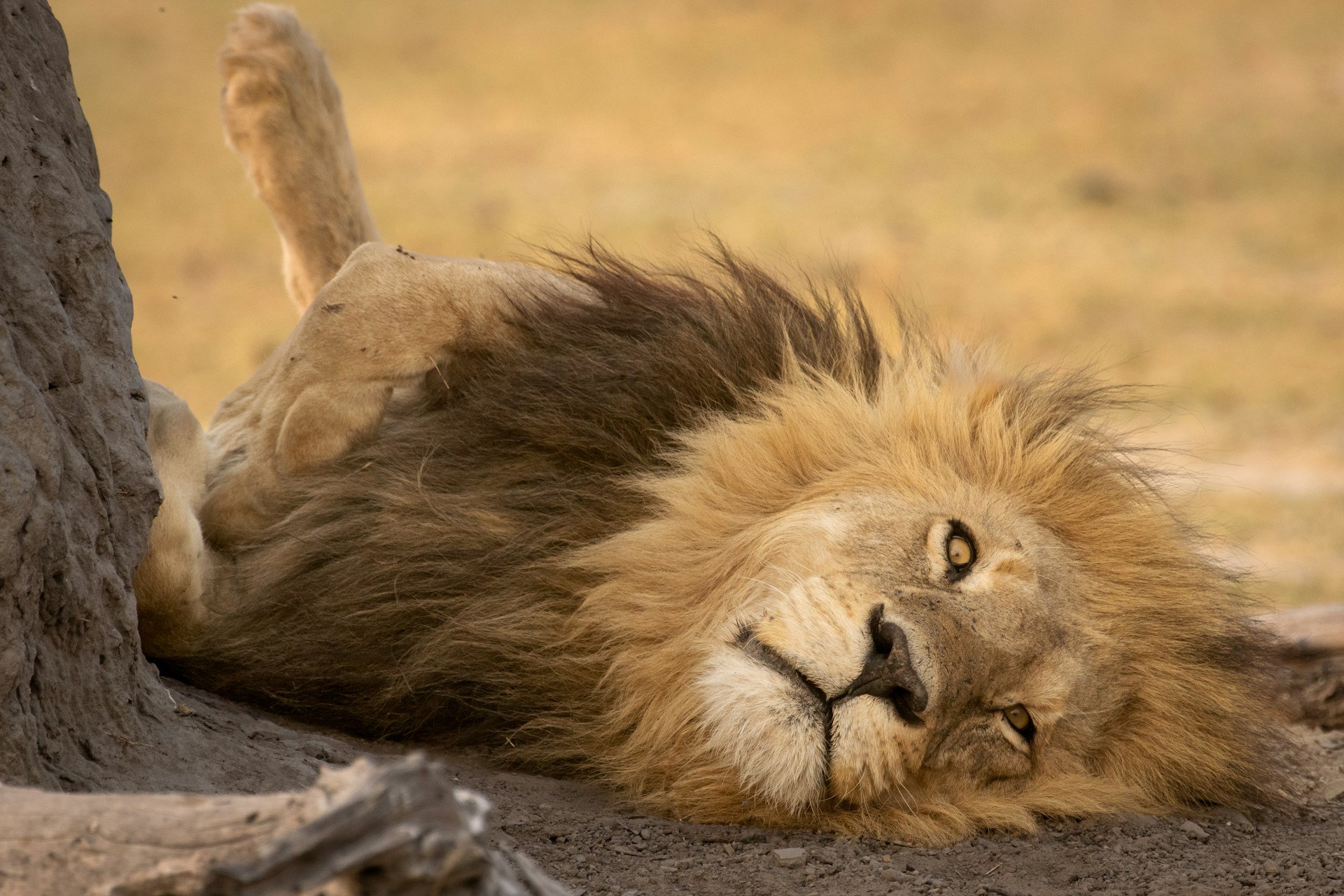
Moremi Game Reserve
Set within the Delta itself, Moremi holds dense concentrations of lion, leopard, and wild dog, considered by many guides to offer the most consistent game viewing in the entire country.
FAQ
How many days do you need in Botswana?
Eight at the absolute minimum, ten is better. Three nights each in the Delta and Linyanti, two to three on the Chobe River front. Fewer than eight and you spend the trip in light aircraft.
When is the best time to visit Botswana?
June to October for wildlife, with July to September the sweet spot — dry-season game viewing plus the flooded Delta. January to March is quieter and cheaper, better for birds and landscapes than for cats.
How much does a Botswana safari cost?
Private safaris start around $1,800 per person per day, mostly all-inclusive of meals, drinks, activities and park fees. Add light-aircraft transfers between camps. Peak-season rates at top Delta camps are higher.
Do I need malaria tablets for Botswana?
There's malaria risk in the north — the Delta, Chobe and Linyanti — mostly November to May. Talk to a travel clinic about prophylaxis; the Kalahari and the south are generally considered low risk.
Can children come on safari in Botswana?
Some camps take children from six, many have a minimum age of twelve, and a few run family tents and junior programs. Tell me your children's ages and I'll only put forward camps that actually take them.
Do you fly between the camps?
Yes, by light aircraft; that's how everyone moves in Botswana. Luggage is limited to 20kg in a soft-sided bag, and transfers are usually 20 to 45 minutes in the air.

ready to Travel to botswana?
DON’T TAKE MY WORD FOR IT
TRAVEL + LEISURE
"Casewit spoke to the impact and importance of exploring the world outside your comfort zone."
AUSTIN Based Traveler
"Excellence is the word that comes to mind when I think of Sarah Casewit and my recent trip.”
BOSTON Based Traveler
"So many nights, my last thought before falling asleep was what a lovely day we'd had together. We can't wait to plan our next trip with her."










PICK MY BRAIN