What Morocco Requires of You: Travel Tips from a Marrakech Native
As I prepare to host my third retreat in Morocco, I keep returning to one afternoon in the north of the country. It taught me more about what Morocco asks of a traveler than any itinerary I have built since.
We had just spent the past three hours winding through the Rif Mountains, making pit stops for a can of soda or a piece of fruit from one of the wooden stalls that sporadically lined the side of the road. After leaving Chefchaoun, Morocco’s famed blue city, we had set our sights on the tomb of Ibn Mashish, located at the top of Jabal al-Alam in a mist-covered shrine known for the tree miraculously growing through its center. Our driver, Said, had gotten lost a few times, pulling over to ask passersby the way to the mausoleum. At one point, there had only been a group of children to ask. In between fervent passes of their soccer ball, they motioned listlessly to Said the direction of the tomb. “If you don’t know where it is, don’t give me directions,” pronounced Said. “Just say you don’t know.” The children insisted this time, giving more energy to their hand flicks. We had no other choice but to follow their indications, revving the engine to make it up the steep incline we had before us.
In the end, the kids were right and we made it to the mausoleum.
We were greeted with the hum of Quranic recitation and the scent of sandalwood and rose. The sweat we had accumulated from the car ride cooled immediately with the breeze that passed over us. Everywhere we looked on the horizon was a wonder of green, ethereal in its beauty as if a veil had been momentarily lifted. In that moment, I realized that this is the kind of experience that encapsulates Morocco. Morocco doesn’t just give you what you are looking for without making you work for it. It will test you and try you, get you lost enough to put your trust in an 8-year old. Make you wonder if the flies buzzing around your head are directly targeting you or if the decision to take a country road was a potential disaster. Once you pass the test, though, it rewards you with something far greater than what you were even expecting.
Morocco is a destination that demands something of its travelers.
Unlike other destinations which perform for you and conveniently lay their offerings out on the table, Morocco requires you to show up in a different way. Before sharing its gifts, it asks of you your patience, your curiosity and your willingness to relinquish control. Without this, you’re likely to miss out on what Morocco can truly offer you.
When Is the Best Time to Visit Morocco?
In order to experience Morocco the right way, several factors need to be taken into account before booking. One of the most important is timing. My recommendation for travelers is to visit either during the spring or the autumn months for the milder temperatures and smaller crowds. Summertime is a completely different experience. The south can be unforgivingly hot, with temperatures averaging between 35–45°C (95–113°F) and the streets of Marrakech overrun with tourists taking advantage of the summer holidays. Christmas and New Year’s season comes with its own downsides. This period is generally considered the peak of high season and prices will reflect that. Should you choose either of these windows, I highly recommend booking at least three to four months in advance, though earlier is usually better.
“Morocco doesn’t just give you what you are looking for without making you work for it. It will test you and try you, get you lost enough to put your trust in an 8-year old.”
Should You Travel to Morocco During Ramadan?
When planning your travel, you will also want to take into account whether your trip falls during the month of Ramadan.
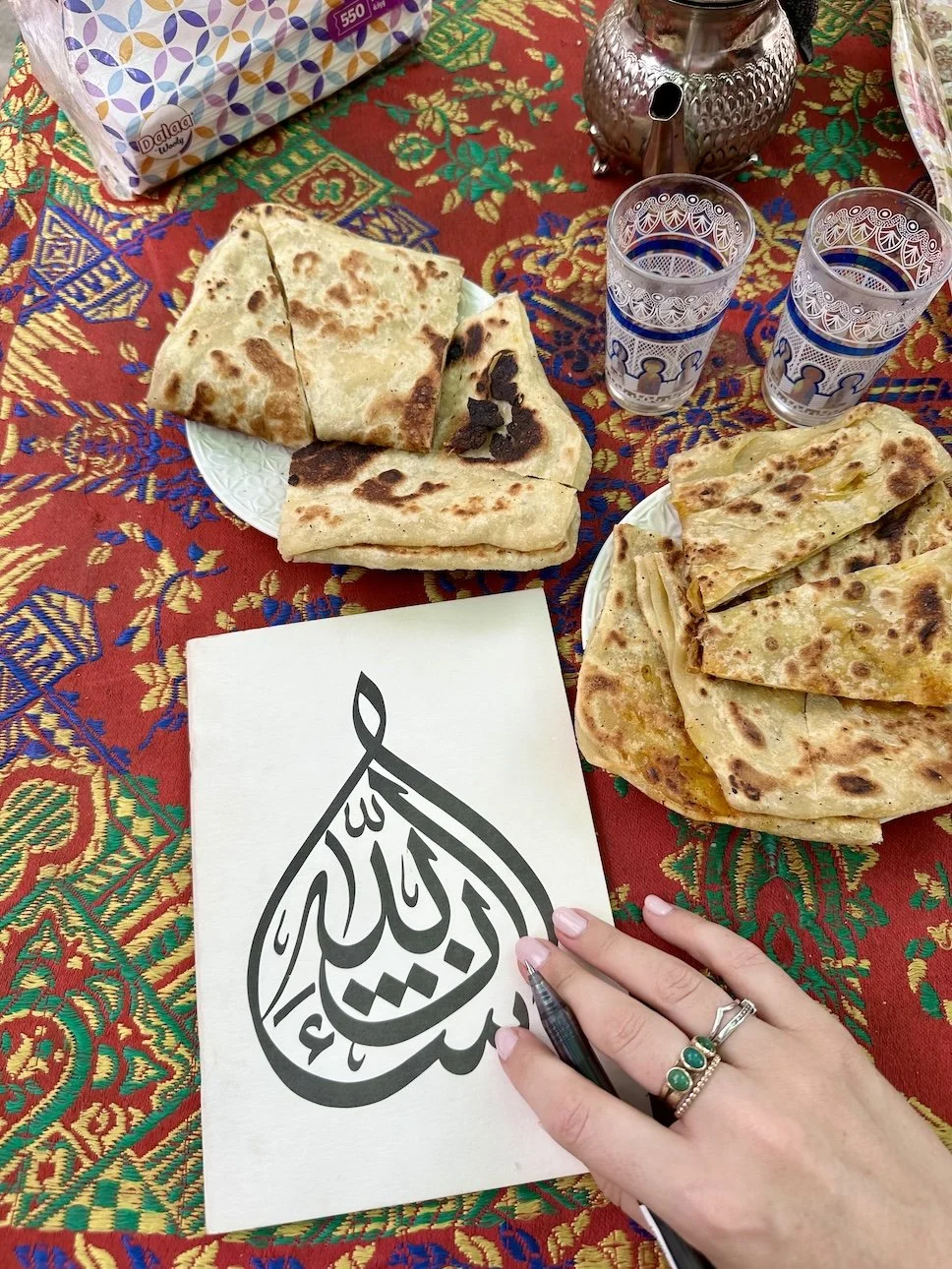
Ramadan in Morocco will mean a very different rhythm, one that must be intentionally chosen rather than accidentally stumbled upon. During the Muslim month of fasting, most restaurants will be closed during the daytime and it will generally be looked down upon to eat or drink in the streets. Hotels that cater primarily to tourists will still have their restaurants open but there is a tangible atmosphere of sobriety that naturally comes with the fast. So much so that you may even feel awkward eating while you know the hotel staff, including the waiters, are fasting. That being said, Ramadan offers incredible experiences for travelers, especially during the evenings when the streets come alive with feasting and the sounds of the evening prayers. For those purposefully seeking out this unique experience, Ramadan is an excellent time to travel to Morocco. Ultimately, you should choose your timing based on the Morocco you are hoping to see.
Beyond Jamaa el-Fna
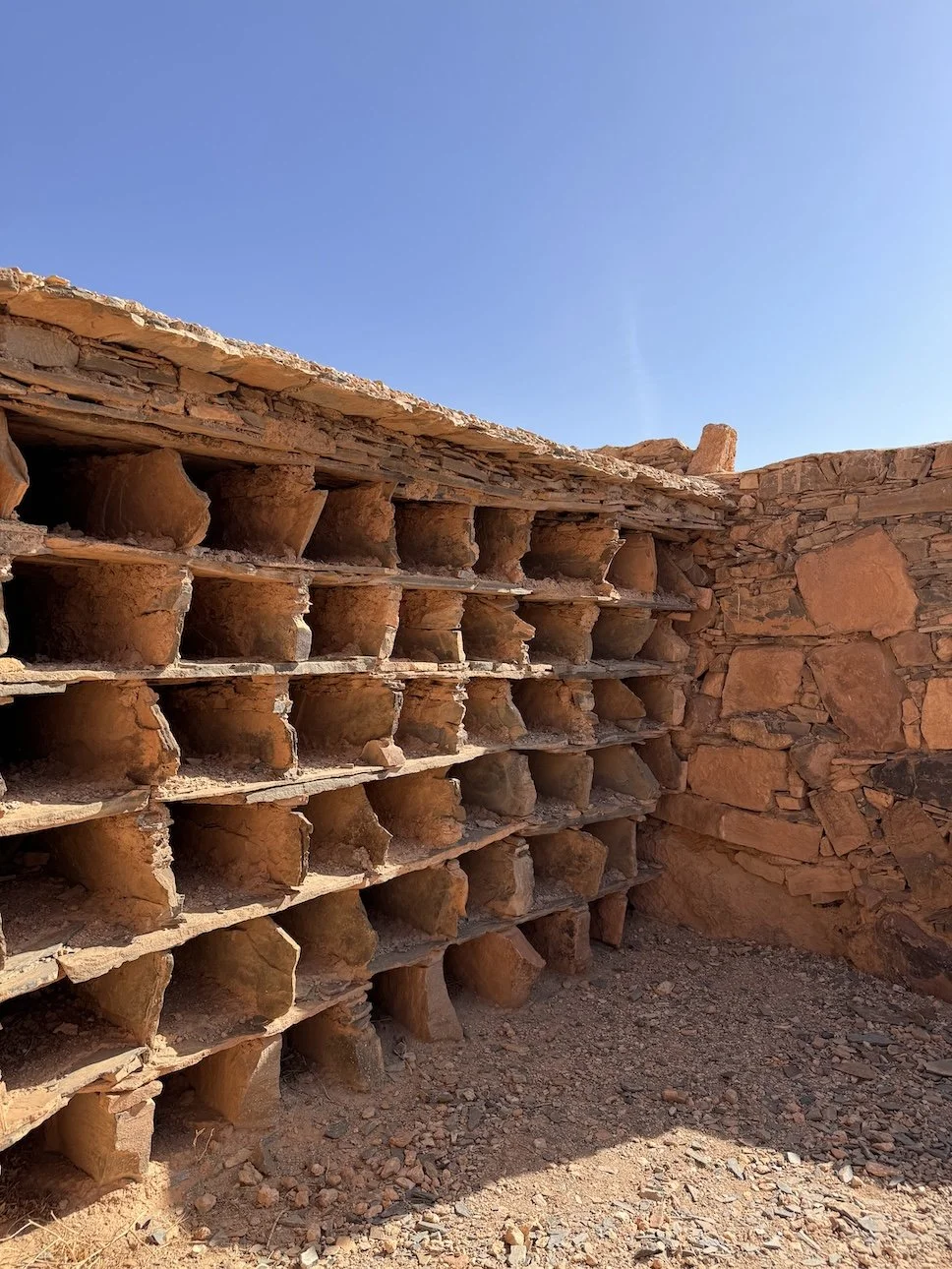
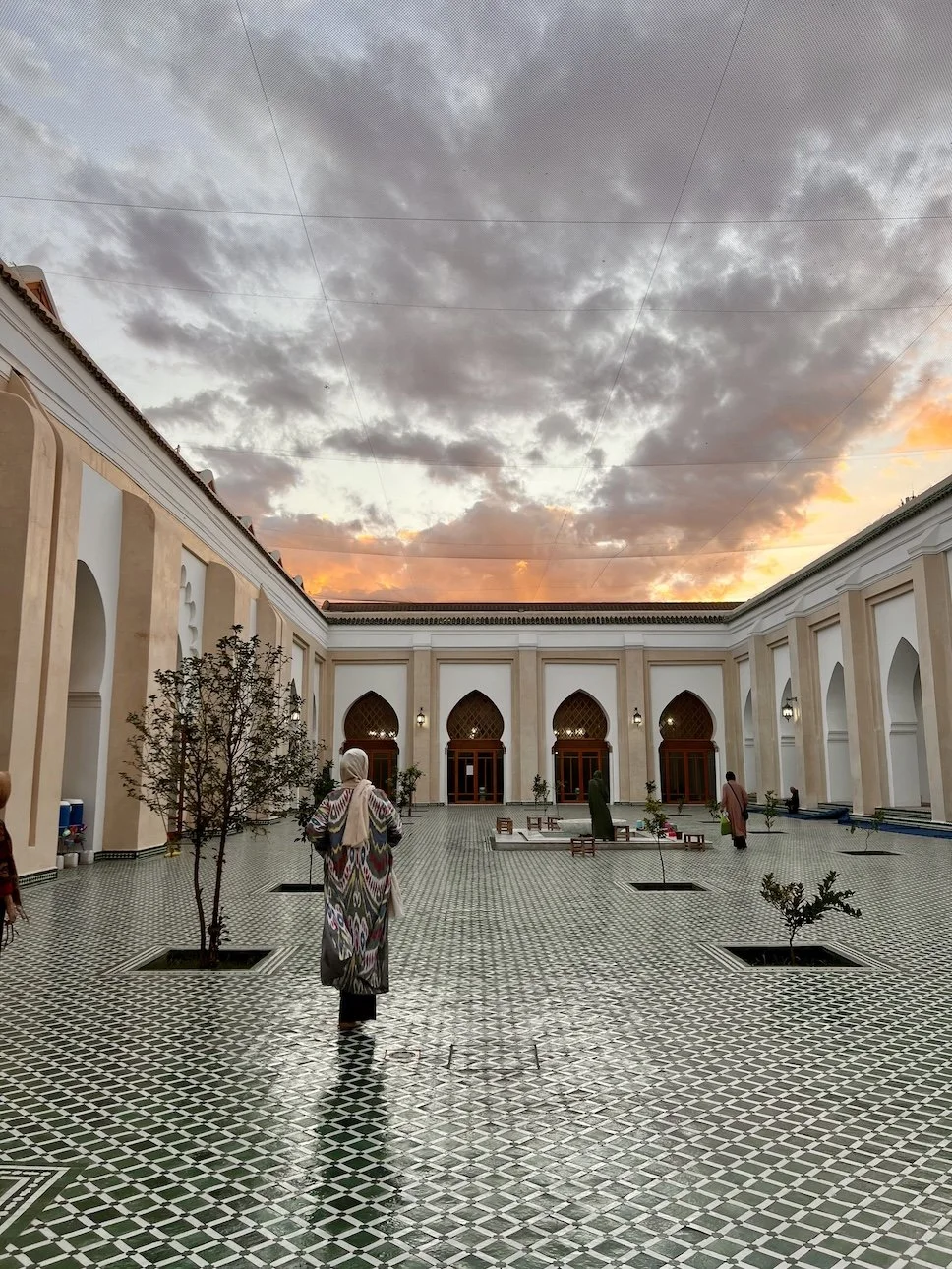
Another major factor that can determine your experience of Morocco is where you decide to spend your time. Morocco has been a tourist hotspot for decades so there is, in a sense, a ‘beaten path’ when it comes to what to see and what to do. Most tourists naturally flock to sites such as Marrakech’s Jamaa al-Fena to see the snake charmers and bustling stalls. Everyone has their photo with one of the square’s famous monkeys or in one of the nearby tea houses overlooking the square. That being said, there is a Morocco that nobody photographs, places most travelers miss because they’re either moving too fast or staying on that beaten path. One of the reasons I love crafting Morocco itineraries for my clients is because I get to show them some of Morocco’s hidden gems, allowing them to experience the country in a way that existed before the era of mass tourism. Fez al-Bali on a Tuesday morning just as the leather tanners are filling their clay vats with limestone and salt. The Tinmel Mosque in the High Atlas Mountains as the sun begins to set, illuminating the sandstone arches in pink and gold. A bowl of b’ssara with hot bread fresh from the oven, served for breakfast in one of the back alleys of Essaouira’s medina.
It’s in moments like these that Morocco offers glimpses of its essence, allowing us to experience the interior alchemy that can occur only when you stop trying to see and do more, but simply try to see what is.
Where to Stay in Morocco
In order to feel the confidence and comfort necessary for that type of interior alchemy, you also need to be staying in the right place.
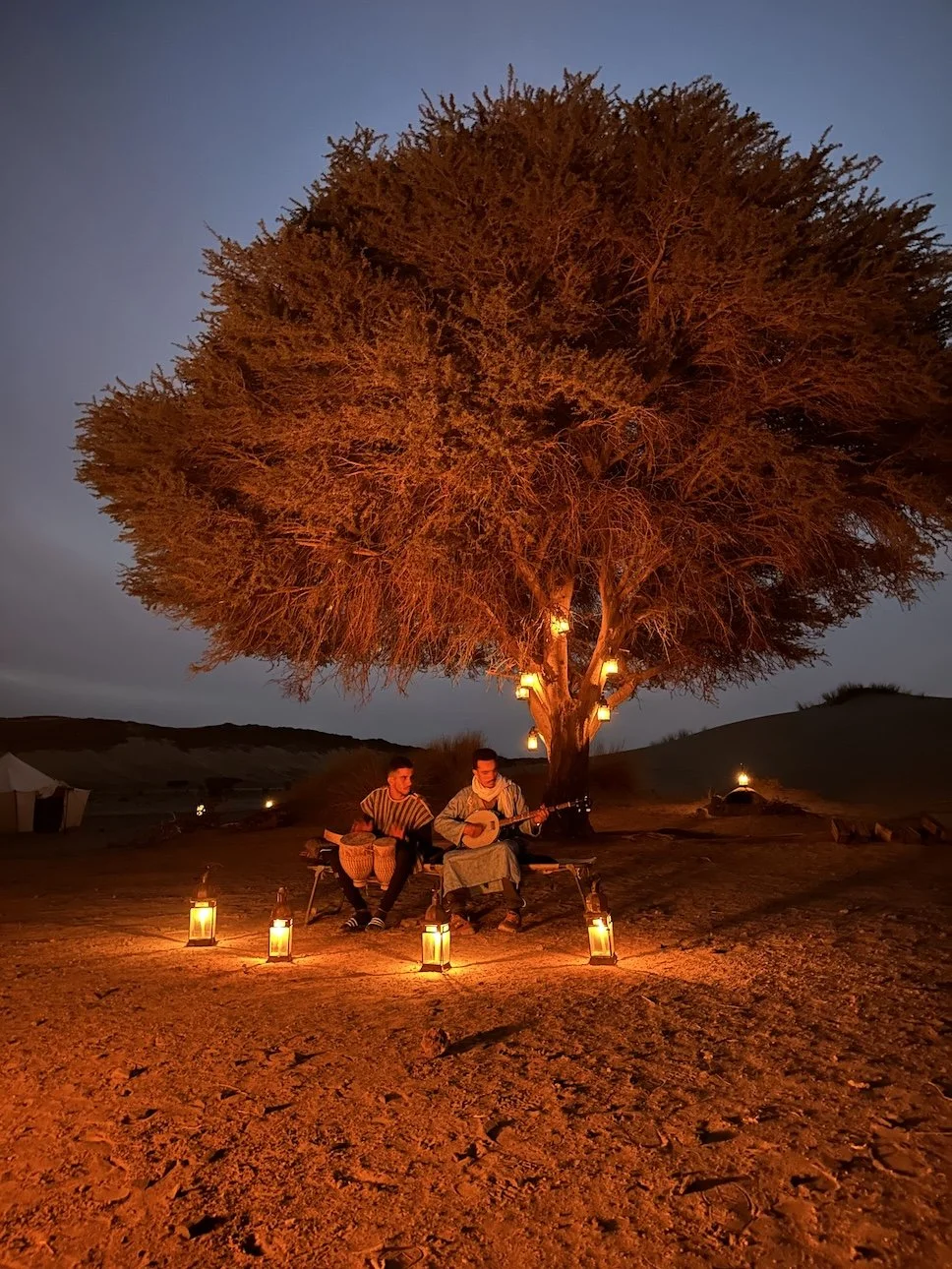
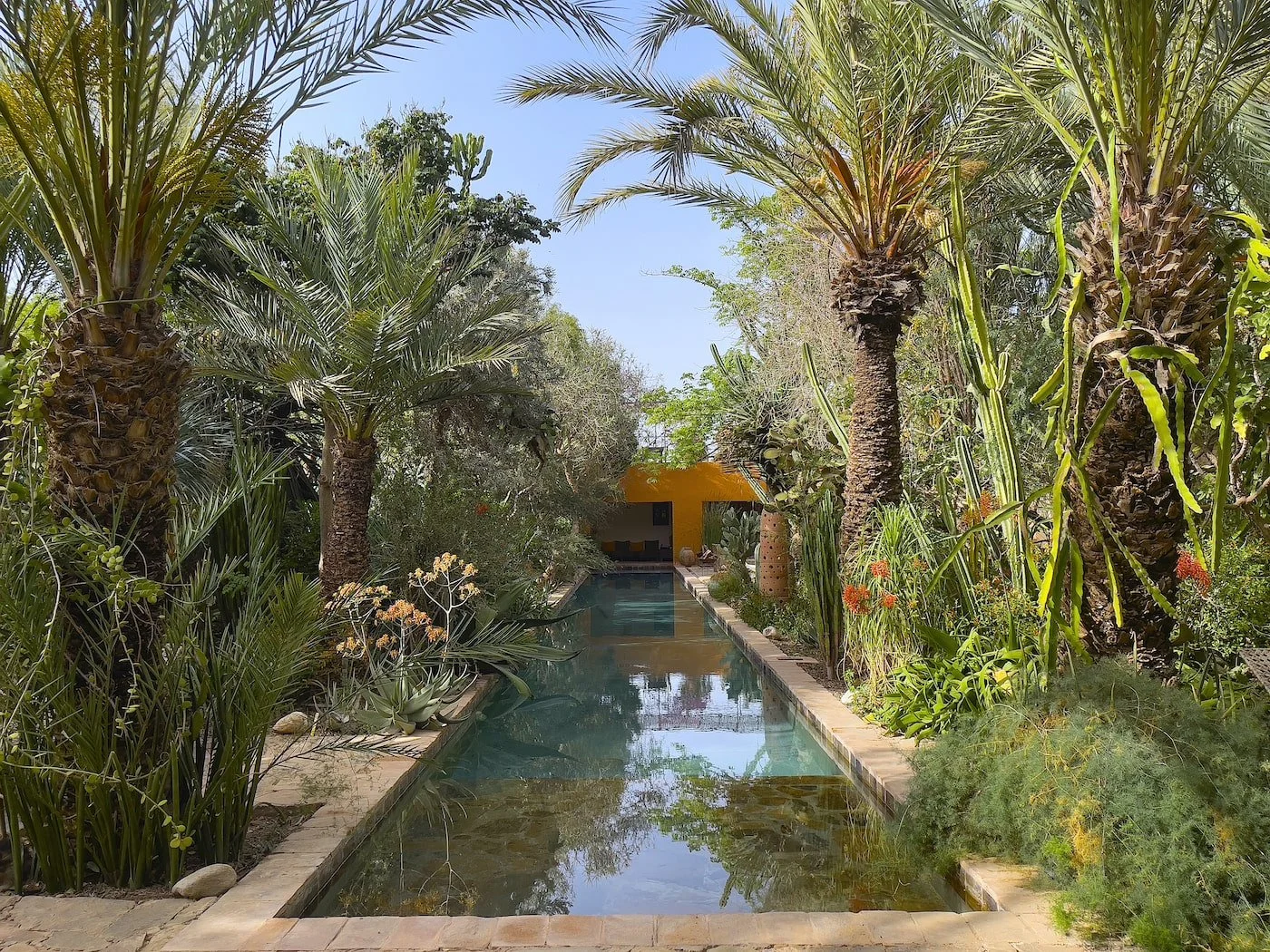
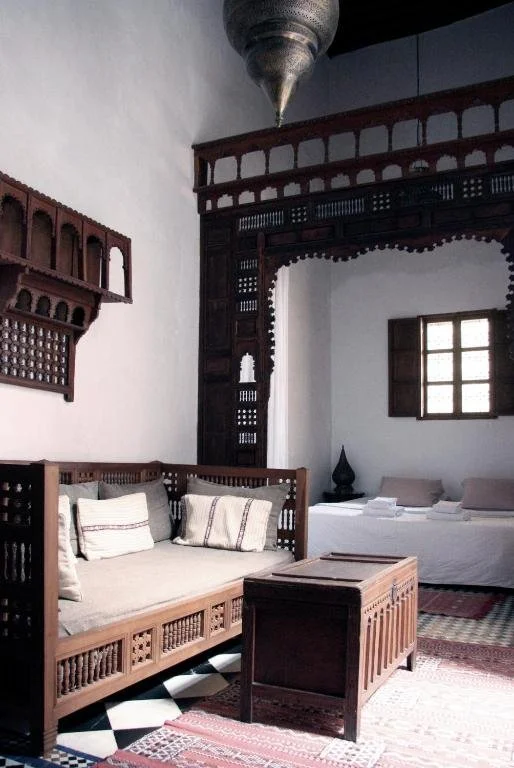
Accommodations can make or break a trip, so I always put a lot of emphasis on choosing the right properties. I look for places that combine classic Moroccan hospitality with a setting that feels intentional, not performative. Ideally, each has its own unique touch rather than the generic Instagram riads that have been pre-packaged and tailored for stories. For example, Dar al- Hossoun, situated in an olive grove just minutes outside of Taroudant, has its own botanical gardens, creating the ambience of a lush oasis that would be near impossible to recreate. Similarly, Dar Seffarine, found in the old city of Fes, is a restored riad dating back hundreds of years. The tilework and cedar wood ceilings are remnants of a Morocco untouched by massification and they can transport you just as you walk over the threshold.
These types of experiences are exactly what I look for when I create my clients’ itineraries. Morocco has the art, history, architecture and hospitality to create unforgettable experiences.
You just have to know where to look!
I also love the big names when the service is done right, like Riad Fes, the Royal Mansour, Riad Mena and so many more gems across the country. It all depends on the traveler’s profile.
Tips for Traveling to Morocco
Before my clients travel to Morocco, I always like to tell them a few things.
pay attention to the details
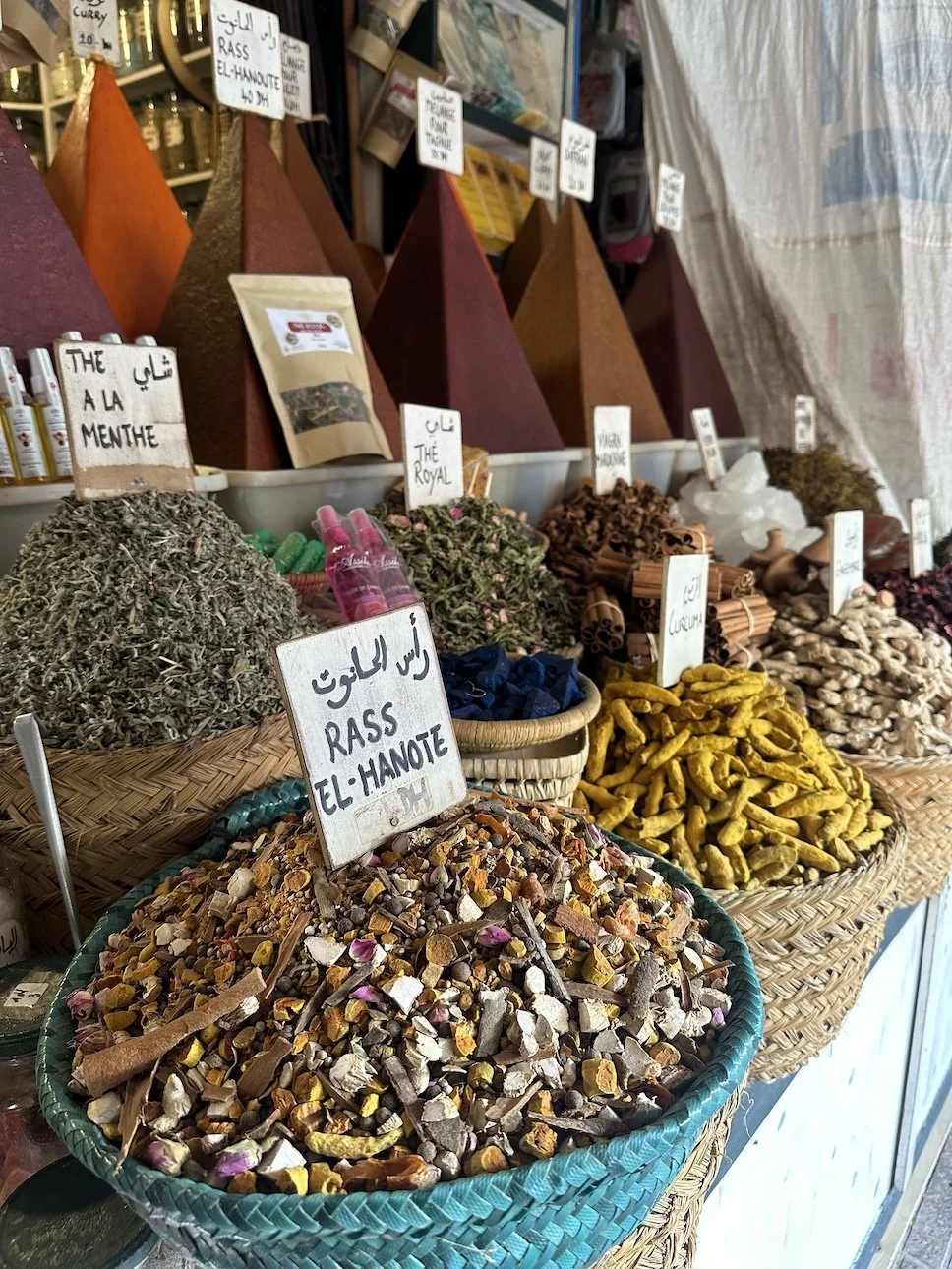
In Morocco, it’s easy for the senses to get overstimulated by all there is to take in. When that happens, choose one thing to focus on. In the medina, look at the tilework and make out the individual patterns before zooming out to the whole. Choose one shop at the market and really look at what there is. Slow down, don’t rush and don’t try to see it all.
This is where the magic lies.
don’t be afraid to talk to strangers
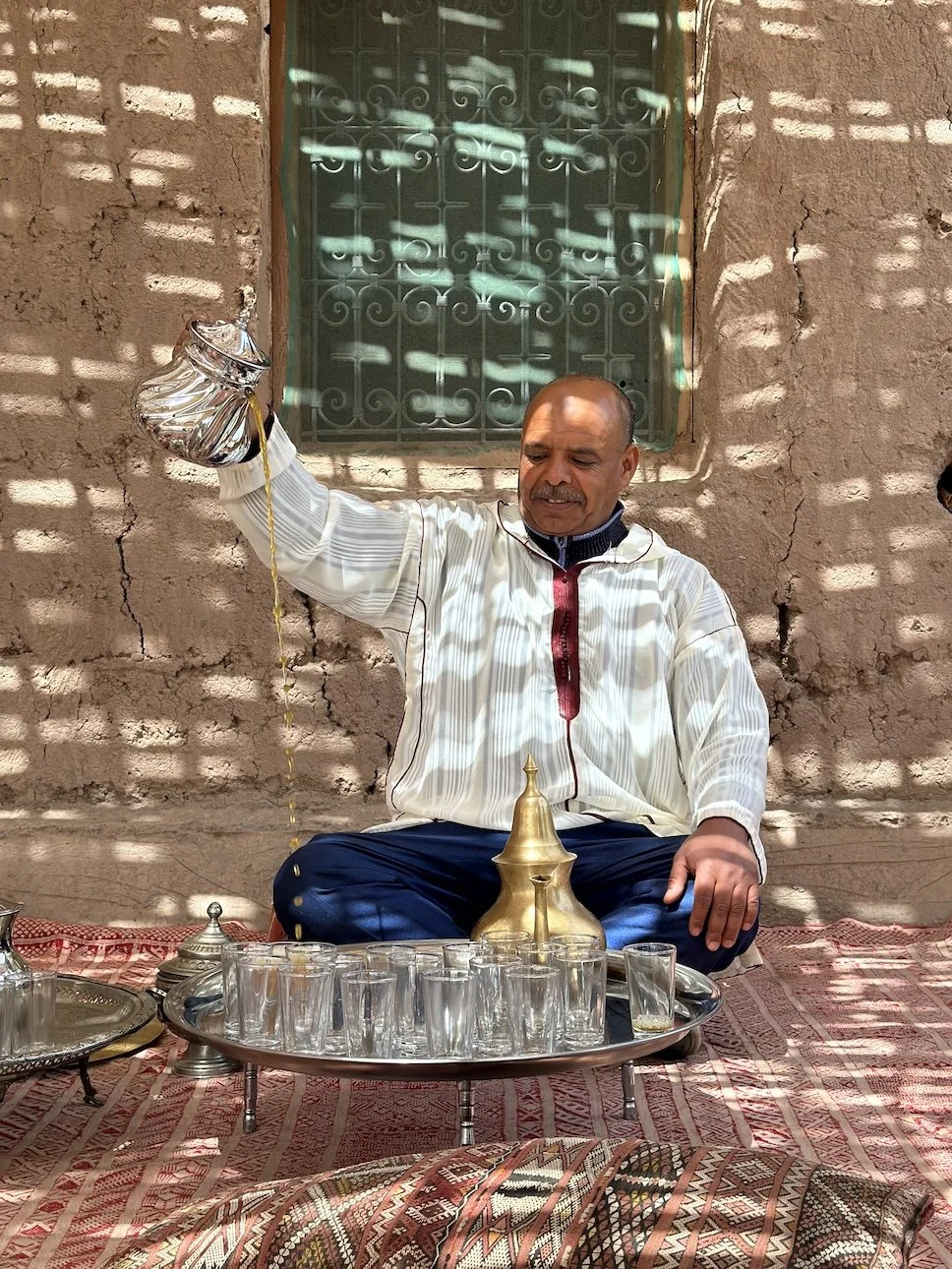
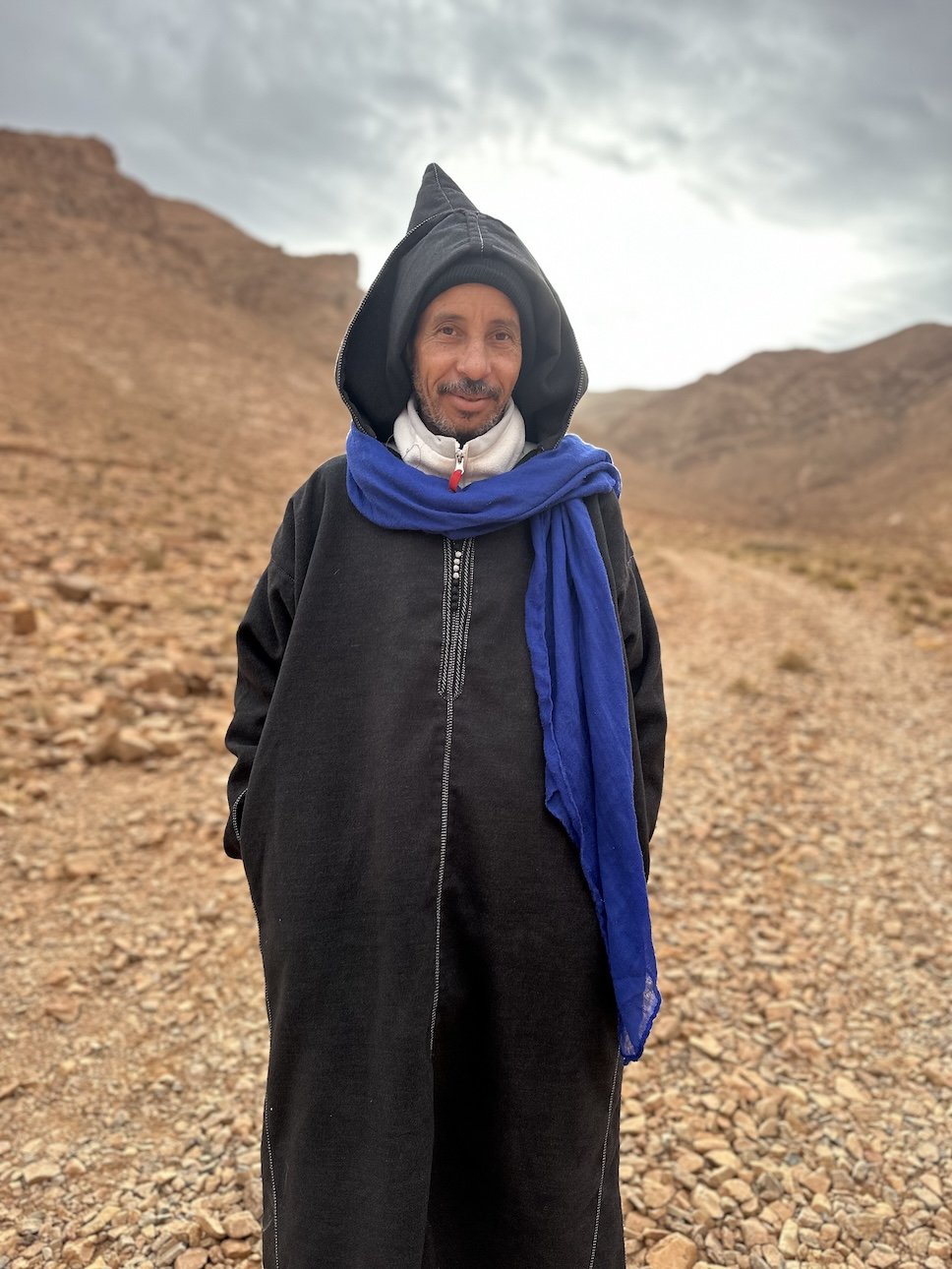
If you’ve never been to a country like Morocco, you may be surprised by how easily people open up to you. Their interest is usually genuine and they will gladly take the shirt off their back if you needed it, or even if you just really liked it. Don’t be afraid to share a cup of tea and don’t be stingy if a kid asks you for a French fry.
Community is still at the center of Moroccan society.
be ready for things to move at a different pace
Morocco is not a country striving to be the most productive in the world. While the traffic may move fast, at its core, the rhythm of life is much slower. Negotiations are almost always in motion and that takes time. Conversations between acquaintances will require asking about their close and extended family members. That may be why your guide is taking longer on the phone than you expected.
This is the real Morocco and fighting against it might make you miss the reward.
Plan your trip to morocco
Looking to visit Morocco? Send in a trip request and I’ll be happy to help you plan the perfect itinerary.